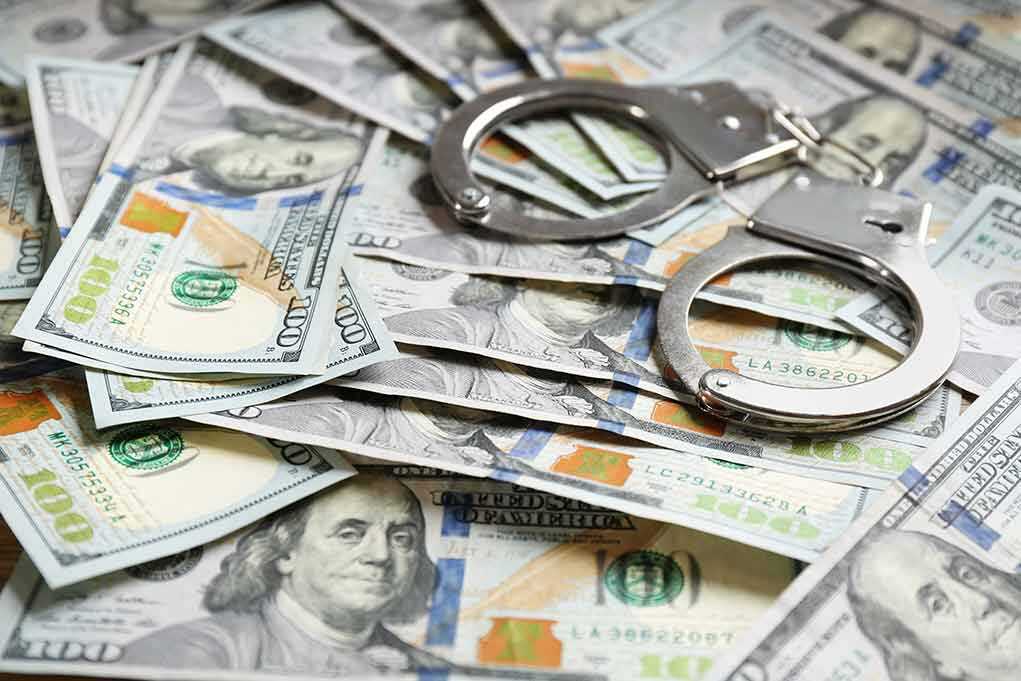
The Justice Department just put a $100 million price tag on the heads of top CJNG cartel bosses, signaling a hard new push to defend American families from deadly drugs and ruthless fraud.
Story Snapshot
- The Justice Department unsealed five indictments against senior Jalisco New Generation Cartel leaders for drug trafficking and firearms crimes.
- The State Department rolled out more than $100 million in rewards for tips leading to the capture and conviction of eight cartel figures.
- One cartel leader is charged with trafficking cocaine, fentanyl, and meth into the United States and using machine guns and destructive devices.
- Another senior member faces charges for an alleged timeshare fraud scheme that targeted thousands of mostly elderly Americans and stole hundreds of millions.
DOJ Targets CJNG Leadership With New Indictments
The Department of Justice announced that five separate indictments have been unsealed against alleged high-ranking leaders of the Jalisco New Generation Cartel, a Mexico-based criminal group that has pumped fentanyl, methamphetamine, heroin, and cocaine into American communities for years. Officials said these five defendants are accused of taking part in long-running conspiracies to manufacture and distribute these drugs for shipment into the United States, and of using firearms, including semi-automatic weapons, machine guns, and destructive devices, in connection with that trafficking.
Acting Attorney General Todd Blanche outlined the new charges at a Washington news conference, describing CJNG as one of the most dangerous transnational criminal organizations in the world. The five newly charged men include Julio Alberto Castillo Rodriguez, the former son-in-law of late cartel boss “El Mencho,” and Hugo Gonzalo Mendoza Gaytan, described as El Mencho’s godson. Both are accused of trafficking cocaine and methamphetamine into the United States, highlighting how the alleged inner circle of cartel leadership is now squarely in American prosecutors’ sights.
Armando Gomez Nunez and Other High-Impact Cases
Separate from the five new cases, the U.S. Attorney’s Office in the District of Columbia announced that Mexican national Armando Gomez Nunez, described as a senior CJNG leader, was charged in a two-count indictment. Prosecutors say he joined a conspiracy to distribute cocaine, fentanyl, and methamphetamine for importation into the United States and carried and used firearms, including machine guns and destructive devices, to further that drug trafficking. These charges show how federal authorities are treating cartel activity not just as narcotics crime but also as heavily armed, organized violence that crosses the border.
Another major case involves senior CJNG member Julio Cesar Montero Pinzon, also known by several aliases, who faces federal charges tied to an alleged international timeshare fraud scheme. According to the Justice Department, Montero Pinzon and his half-sister ran a conspiracy that targeted Americans who own timeshares in Mexico, using false promises to trick victims into sending money. Both were charged with conspiracy to commit wire fraud and money laundering, while Montero Pinzon alone faces counts for conspiracy to provide material support to a foreign terrorist organization and actually providing or attempting to provide that support. This shows how cartel leaders allegedly use fraud and terrorism support, not just drug deals, to fund their operations.
$100M+ in Rewards and a Multi-Agency Crackdown
The State Department announced more than $100 million in rewards for information leading to the capture and conviction of eight CJNG figures, including several of the men named in earlier and newly unsealed indictments. These reward offers are designed to push witnesses and insiders to come forward, giving law enforcement more leads in a fight that stretches from border towns to big cities across the country. Officials said this reward package is part of President Trump’s broader pressure campaign to dismantle CJNG and cut off the flow of illicit drugs into the United States.
🤔Ten Actions. Eight Agencies. Six Legal Instruments. One Cartel. Eighteen Months.
Yesterday the Acting Attorney General held a press conference at the Justice Department. Seven federal agencies stood behind him. They announced five new indictments against senior leaders of the… https://t.co/QuiS4LXrWY pic.twitter.com/CagIMVhcAJ
— TheDebriefing17 (@TheDebriefing17) August 6, 2026
The Justice Department stressed that these enforcement moves are coordinated with multiple federal agencies, including the Drug Enforcement Administration, the Federal Bureau of Investigation, Homeland Security Investigations within U.S. Immigration and Customs Enforcement, Internal Revenue Service Criminal Investigation, and U.S. Customs and Border Protection. Treasury officials also announced what they described as the largest-ever sanctions action targeting CJNG-linked individuals and entities, freezing assets and blocking access to the U.S. financial system. Together, the indictments, sanctions, and rewards form a layered strategy that goes after cartel leaders, their money, their weapons, and their networks at the same time.
What It Means for American Families and the Rule of Law
Federal officials say CJNG has played a major role in flooding American streets with fentanyl, methamphetamine, heroin, and cocaine, fueling overdose deaths and violent crime in many communities. The new cases, especially those that include terrorism and fraud charges, show a shift toward treating cartel leaders more like foreign terrorists who attack Americans and less like simple drug dealers. At the same time, prosecutors and reporters remind the public that indictments are allegations, not convictions, and that the defendants are entitled to contest the charges in court. For many Americans who have seen the damage from cartel-driven drugs and scams, these cases will be watched closely as a test of how far the law can go to protect the border, defend victims, and hold foreign criminals accountable.
Sources:
justice.gov, youtube.com, usnews.com, facebook.com