A renewed push for Greenland acquisition by President Trump threatens international law and challenges NATO allies. In a bold move, President Donald Trump has revived his 2019 proposal to acquire Greenland, now using notably aggressive language. Trump suggests the acquisition is crucial for U.S. national security, particularly to counter Russian and Chinese expansion in the Arctic, and his recent statements imply potential coercive measures. This stance directly challenges Denmark’s sovereignty and has sparked outrage among Greenland’s leadership, who emphasize their right to self-determination.
Quick Take
- President Trump intensifies rhetoric for acquiring Greenland, citing national security concerns.
- Trump’s language suggests coercive measures, raising international legal questions.
- Greenland and Denmark firmly oppose the acquisition, emphasizing self-determination.
- The situation strains NATO relations and accelerates Arctic militarization.
Trump’s Escalating Rhetoric on Greenland
In a bold move, President Donald Trump has revived his 2019 proposal to acquire Greenland, now using notably aggressive language. Trump suggests the acquisition is crucial for U.S. national security, particularly to counter Russian and Chinese expansion in the Arctic. His recent statements imply potential coercive measures, challenging Denmark’s sovereignty over Greenland, which has been a part of the Kingdom of Denmark for over two centuries.
Trump’s rhetoric has sparked outrage among Greenland’s leadership, who emphasize their right to self-determination under international law. Greenland’s Prime Minister, Jens-Frederik Nielsen, along with other local leaders, have issued statements reinforcing their opposition to the sale, highlighting that Greenland operates within a democratic framework.
Donald Trump’s fixation on Greenland has entered a dangerous new phase with the White House actively drawing up acquisition plans, calling it a "national security priority." European allies fear rhetoric is turning into policy.#Trump #Greenland #Arctic https://t.co/N4jrpDiDAG
— High North News (@HighNorthNews) January 7, 2026
The Strategic Importance of Greenland
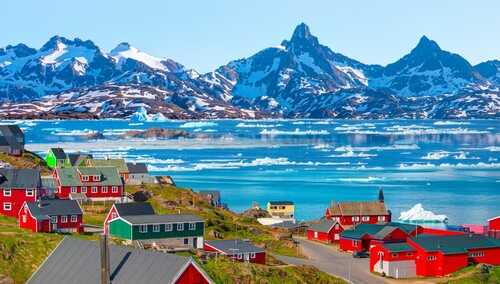
Greenland’s strategic Arctic location makes it a coveted geopolitical asset, playing a crucial role in missile warning systems and space surveillance. The historical 1951 Defense of Greenland Agreement already allows the U.S. a substantial military presence without requiring ownership. Professionals like Mai’a Cross from Northeastern University argue that the existing agreement provides ample access for U.S. military needs, making acquisition unnecessary.
Despite these agreements, Trump’s administration views territorial acquisition as a way to solidify U.S. dominance in the region, a stance that has rattled NATO allies and raised concerns about the stability of international legal frameworks that protect territorial sovereignty.
Implications for International Relations
The ongoing tensions surrounding Greenland have significant implications for international relations and Arctic geopolitics. Denmark has already committed to bolstering its defense capabilities, investing over $6 billion in Arctic military enhancements. As the Trump administration prepares to meet with Danish officials, the potential for diplomatic strain within NATO is high.
Moreover, successful coercive acquisition could set a dangerous precedent, undermining post-World War II international legal standards. The situation creates uncertainty for Greenland’s 56,000 inhabitants and places pressure on Denmark to sacrifice sovereignty or significantly increase defense spending to counter U.S. ambitions.
Watch the report: ‘Buy Or Seize’: Trump’s Greenland Threat Shocks Allies: NATO On Edge | Zakka Explains | 4K
Sources:
Northeastern University: Trump Greenland Deal and National Security
‘Unacceptable’ for Greenland not to be in US hands, says Trump.
Why does Trump want Greenland, and what could it mean for Nato?.
NATO would be ‘far more formidable and effective with Greenland in US hands’: Trump.
The Arctic Institute: Trump’s Greenland Logic and Chaos