
A small island nation just defied the global power struggle by sheltering over 200 Iranian military personnel after a historic US submarine strike, choosing humanitarian values over picking sides in an escalating war that threatens American interests and regional stability.
Story Snapshot
- Sri Lanka rescued and is housing over 200 Iranian sailors after a US submarine sank Iranian warship IRIS Dena, killing at least 84 sailors in the first American submarine combat strike since World War II
- President Anura Kumara Dissanayake publicly condemned the rising Middle East death toll while emphasizing Sri Lanka’s non-aligned stance, despite relying on the US as its largest export market
- Sri Lankan Navy took operational control of a second disabled Iranian vessel, IRIS Bushehr, moving over 200 crew to a military camp near Colombo while bodies of dead sailors arrived at local hospitals
- The incident exposes the dangerous balancing act small nations face when great-power conflicts literally wash up on their shores, forcing choices between economic survival and geopolitical allegiances
Historic Submarine Strike Claims Iranian Warship
A US submarine torpedoed the Iranian frigate IRIS Dena off Sri Lanka’s southern coast on March 4, 2026, sending the warship to the bottom of the Indian Ocean in the first American submarine combat operation since World War II. The US Defense Secretary confirmed the strike, which killed between 84 and 87 Iranian sailors with 64 more missing. Sri Lanka’s Navy immediately launched search and rescue operations, pulling at least 32 survivors from the water and transporting them to hospitals in Galle. Bodies of the dead were delivered to Karapitiya Hospital mortuary as recovery efforts continued in waters that have become a flashpoint in the expanding US-Israel-Iran conflict.
Sri Lanka Shelters Hundreds Under Humanitarian Banner
When the second Iranian vessel IRIS Bushehr reported engine trouble and requested port entry the following day, Sri Lanka faced a critical decision with global implications. The government permitted entry and evacuated over 200 Iranian crew members using three navy craft, transporting them to a military facility near Colombo for secure housing. Four Iranian sailors remained aboard to assist as Sri Lankan forces took operational control of the disabled warship, planning to move it to Trincomalee port. This decision to provide shelter to foreign military personnel from a nation at war with America’s forces demonstrates either principled humanitarianism or dangerous naiveté, depending on one’s perspective on the realities of modern geopolitical conflict.
Walking the Tightrope Between Washington and Tehran
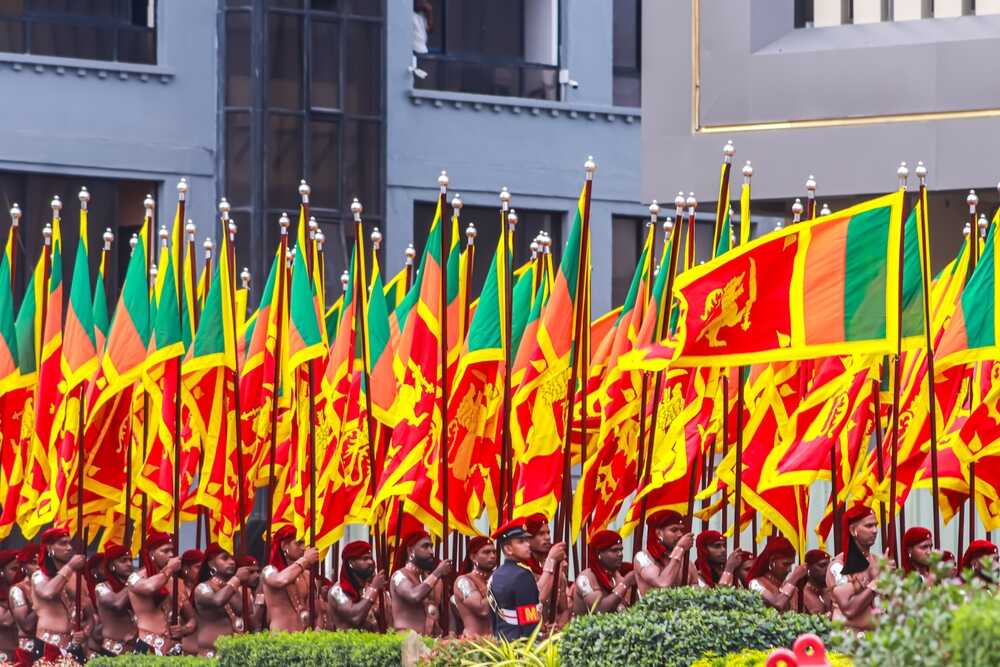
President Dissanayake publicly framed the rescue as “the most courageous and humanitarian course of action that a state can take,” declaring that “every life is as precious as our own” while calling for peace in the region. He stressed that Sri Lanka “jealously guards our non-aligned policy” and prioritizes humanitarian values above geopolitical pressures. Yet this high-minded stance ignores uncomfortable economic realities: the United States serves as Sri Lanka’s largest export market while Iran remains a key buyer of Sri Lankan tea. The island nation is emerging from a severe economic crisis that makes it heavily dependent on both powers, raising serious questions about whether genuine neutrality is sustainable or whether Sri Lanka is simply delaying an inevitable choice that could devastate its fragile economy.
Dangerous Precedent in Great Power Competition
Sri Lanka’s decision to take control of an Iranian military vessel and house its crew sets a troubling precedent as conflicts between major powers increasingly spill into the waters of smaller nations. The loss of IRIS Dena weakens Iran’s operational naval presence in the Indian Ocean, but Sri Lanka’s willingness to provide safe harbor to Iranian military personnel may embolden Tehran’s regional ambitions by demonstrating that neutral states will absorb the humanitarian costs of Iran’s confrontations with America. For the Trump administration, this incident highlights how even nations dependent on US trade may prioritize virtue signaling over strategic alignment when confronted with the human costs of necessary military operations against Iranian aggression.
The episode reveals the complex challenges facing American foreign policy in an era when decisive military action against adversaries like Iran generates immediate humanitarian crises that smaller nations exploit to claim moral superiority while avoiding the hard work of actually confronting threats to global stability. Sri Lanka’s geographic position near vital Indian Ocean shipping lanes gives it front-row seats to great power competition, but its non-aligned posture may prove unsustainable as the conflict between American interests and Iranian expansion intensifies. The question remains whether nations can truly remain neutral when their waters become battlegrounds, or whether they are simply choosing to benefit from American protection while publicly criticizing the actions necessary to provide it.
Sources:
Sri Lanka denounces war deaths, houses Iran sailors – The New Indian Express
Sri Lanka denounces rising Middle East death toll, shelters Iranian sailors – Middle East Eye
Bodies of Iranian sailors arrive at Sri Lanka mortuary after warship sinking – Euronews