Oil plunged after President Trump said the Iran operation could end “soon”—but the real test is whether America can keep energy flowing through the world’s most dangerous chokepoint without surrendering leverage to Tehran.
Story Snapshot
- Crude spiked near $120 a barrel during escalating U.S.-Israel-Iran fighting, then dropped about 10% after Trump suggested an end may be near.
- Prices remain elevated around the low $90s, well above pre-conflict levels, signaling markets still fear disruption.
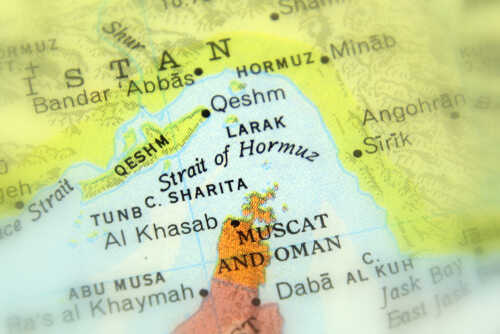
- The Strait of Hormuz—through which roughly one-fifth of global oil shipments pass—remains the central pressure point.
- The White House says the price shock is temporary and is backing steps like tanker insurance and possible naval escorts.
- Key claims about battlefield damage in Iran and timelines for resolution lack independent verification.
Oil Whipsaws on War Headlines and Presidential Messaging
Oil markets swung hard as the conflict intensified, with crude reaching close to $120 per barrel before sliding back after Trump publicly argued the fighting could end “soon” and prices would fall when operations conclude. The move looked driven less by new supply coming online and more by expectations that the most acute phase of risk might be short-lived. Even after the decline, crude remained much higher than late-February pricing.
Price behavior underscores a familiar pattern: markets react instantly to perceived changes in war duration, even when the underlying infrastructure risk has not changed. If traders believe a conflict window is closing, fear premiums can evaporate quickly. If shipping lanes look threatened, that premium returns just as fast. In this case, the decline did not fully erase the war-related jump, leaving consumers and businesses exposed.
Hormuz Risk Keeps Pressure on Consumers and Inflation
Energy analysts have long treated the Strait of Hormuz as a global “tripwire” because a significant share of world oil moves through that narrow route. Provided reporting puts it at about 20% of global shipments, which helps explain why threats to transit can lift prices even if production facilities remain intact. For American families, that translates into higher gasoline and diesel costs that spill into groceries, shipping, and services.
European leaders are also feeling the squeeze. German Chancellor Friedrich Merz said the fighting is “damaging our economies” through higher oil and gas prices, while still expressing hope that allied operations bring the situation to an end. That combination—support for decisive action, paired with blunt concern about energy costs—matches what U.S. voters remember from the inflation era: energy shocks travel quickly into household budgets, regardless of political spin.
White House Moves to Stabilize Supply Without Signaling Weakness
The administration has framed the price spike as a “short-term disruption for the long-term gain,” emphasizing measures aimed at keeping oil moving. Steps include political risk insurance for tankers transiting Hormuz and readiness for U.S. Navy escorts if conditions deteriorate. Those tools are designed to reduce the chance that insurance costs, ship delays, or rerouting decisions create a self-fulfilling supply crunch.
Officials also pointed to alternative supply efforts, including accelerating access to Venezuelan oil after the collapse of the Maduro regime, and the possibility of waiving certain oil-related sanctions. It does not include volumes or timelines for any Venezuelan contribution, which matters because “potential” barrels do not calm markets the same way confirmed shipments do. Still, the direction signals a priority on supply resilience over rhetoric.
What’s Known, What’s Claimed, and What Still Isn’t Verified
Trump said Operation Epic Fury is ahead of schedule and suggested major Iranian leadership losses, including claims that Iran is “decimated” and that missile launcher capacity is down sharply. It does not provide independent verification of those battlefield assessments, so readers should treat them as presidential claims rather than confirmed metrics. What is clearly documented is how quickly oil prices respond when Washington signals either escalation or an off-ramp.
Oil plunges 10% on Trump's Iran comments, but the chaos could continue https://t.co/m9F2MexAh7 #news
— Business News (@15MinuteNewsBus) March 10, 2026
For conservatives focused on competent governance after years of inflation and costly international drift, the immediate takeaway is straightforward: energy security is national security, and chokepoints like Hormuz magnify every headline. Markets have partially “believed” the promise of a shorter conflict, but prices staying in the $90 range show skepticism remains. Until shipping risks fade and supply alternatives are measurable, volatility will likely remain a feature, not a bug.
Sources:
Trump acknowledges spike in oil prices from Iran war, promises prices are going to drop
White House says oil price spike temporary, Trump pushes energy dominance amid Iran war
Fox Business video 6390325526112