
Jeffrey Epstein’s “international” trafficking web didn’t stop at U.S. borders—and France’s long-running questions about who helped him are back on the table.
Story Snapshot
- French officials previously urged prosecutors to investigate Epstein’s France-based ties, including property, travel, and alleged links to the modeling world.
- Victim Virginia Giuffre alleged she was trafficked to French model scout Jean-Luc Brunel during a 2001 Paris trip; Brunel denied her claims.
- Epstein owned Paris property and flew frequently to France, facts cited as reasons French authorities should scrutinize activity on French soil.
- Newly highlighted 2026 disclosures about post-2008 professional contacts with Epstein are renewing focus on “elite” gatekeepers and institutional accountability.
France’s Epstein Questions Never Went Away—They Just Went Quiet
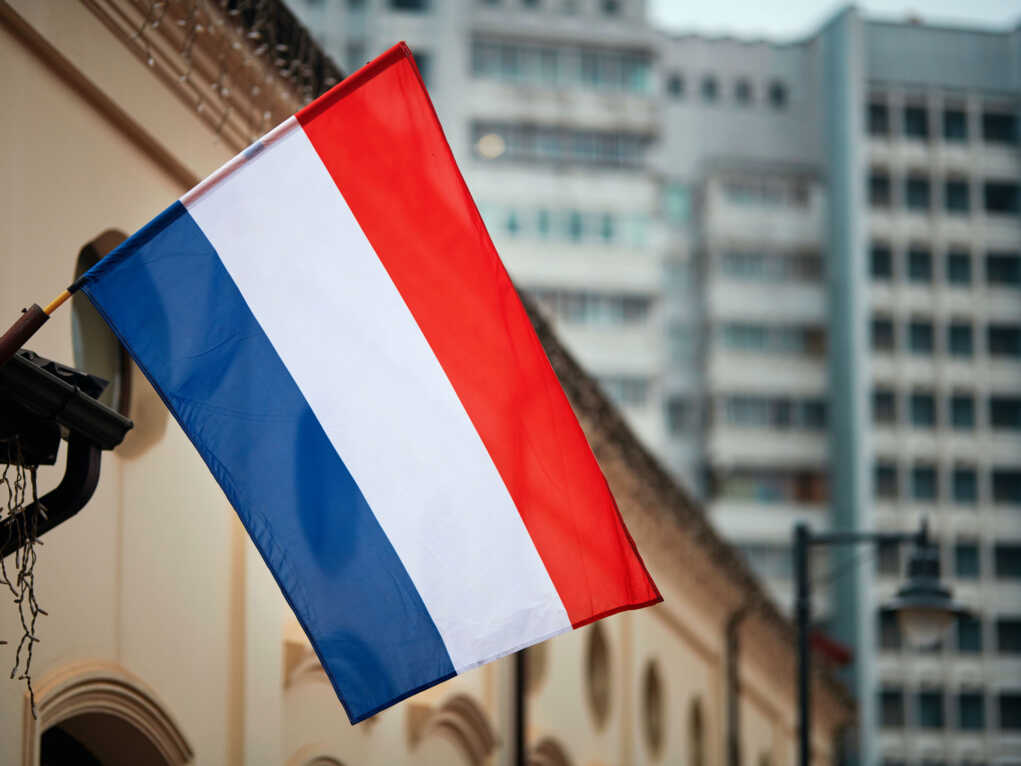
French officials called for a national investigation after Epstein’s 2019 jail death, arguing that U.S. findings pointed to meaningful activity in France. Reporting cited Epstein’s property ownership in Paris, frequent flights to France, and claims tying him to a French model-industry figure. Paris prosecutors signaled the material was being analyzed, but public visibility into progress has been limited, leaving victims and the public with a familiar frustration: powerful networks get exposed, and then the trail goes cold.
U.S. prosecutors alleged Epstein’s core sex-trafficking period involved recruiting minors and operating across multiple locations, a pattern consistent with allegations of international movement. French authorities were urged to look at what happened inside French jurisdiction, not just what Americans prosecuted at home. For Americans who watched years of institutional failure—from sweetheart deals to delayed accountability—the France angle matters because it tests whether political and legal systems will treat trafficking as a real crime or a scandal to manage.
The Modeling Pipeline Allegation: Serious Claims, Denials, and an Evidentiary Gap
Virginia Giuffre alleged she was forced into sex with French model scout Jean-Luc Brunel during a 2001 Paris trip with Epstein and Ghislaine Maxwell. Brunel denied the allegation, and the available research here does not document a court finding resolving that specific claim. That matters because responsible accountability requires proof, not slogans. But it also underscores why prosecutors were urged to investigate: trafficking cases often hinge on patterns, corroboration, and networks, not one headline-grabbing incident.
French officials specifically pointed to under-explored French connections, including the modeling world, where power imbalances can be exploited. The point of a probe is to determine whether any French-based facilitators, recruiters, or businesses aided criminal conduct—directly or indirectly—and whether French laws were violated. From a conservative, rule-of-law perspective, that’s not “cancel culture”; it’s basic governance: a state that can’t defend victims and punish predation fails one of its most fundamental duties.
Following the Money and the Addresses: Why the Paris Property Matters
Reporting cited Epstein’s ownership of Paris property around Avenue Foch and his frequent travel to France, including his arrest in 2019 after returning from Paris. Properties and travel records can be more than background—they can establish jurisdiction, timelines, and opportunity, and they can reveal who had access. When prosecutors review these facts, they can test claims about where victims were taken, who arranged meetings, and what organizations or intermediaries may have smoothed logistics for an operation that depended on secrecy.
Epstein’s 2008 Florida plea deal remains a cautionary tale about what happens when the connected get handled gently and the public gets sold a narrative of “case closed.” That earlier deal, widely criticized, is part of why later scrutiny intensified and why international partners were pressured to examine their own exposure. If France’s institutions want credibility, the standard should be straightforward: verify the records, identify any accomplices where evidence supports it, and bring charges where law and facts justify them.
2026’s New Disclosures Put “Respectable” Institutions Back Under the Microscope
In early 2026, new disclosures highlighted post-2008 professional ties between Epstein and a prominent Swiss banking figure, with the bank saying “necessary measures” were taken after the links were revealed and emphasizing claims of no knowledge of Epstein’s crimes. The reporting does not establish criminal wrongdoing by the bank based on those contacts alone. Still, it shows how Epstein maintained access to high-status circles after prior legal consequences—raising hard questions about vetting and reputational risk management.
The broader takeaway is not partisan fantasy; it’s the uncomfortable record that powerful people and institutions often had incentives to look away. Conservatives who care about equal justice should demand what the public rarely gets in these cases: transparent investigations, real accountability for enablers when evidence supports it, and reforms that prioritize victims over public-relations cleanup. It does not confirm the status or outcome of a France probe into the modeling angle as of 2026, so the clearest fact is also the most unsettling: many questions remain open.
Sources:
French officials call for investigation into Jeffrey Epstein’s links to France
Rothschild bank says measures were taken after former CEO’s Epstein links were revealed