California’s Democrats just canceled their own governor debate because the inclusion rules collapsed under racial-politics pressure—leaving voters with less transparency and more party-managed messaging.
Story Snapshot
- USC canceled a March 24, 2026 California gubernatorial debate less than 24 hours before airtime after backlash over which candidates were invited.
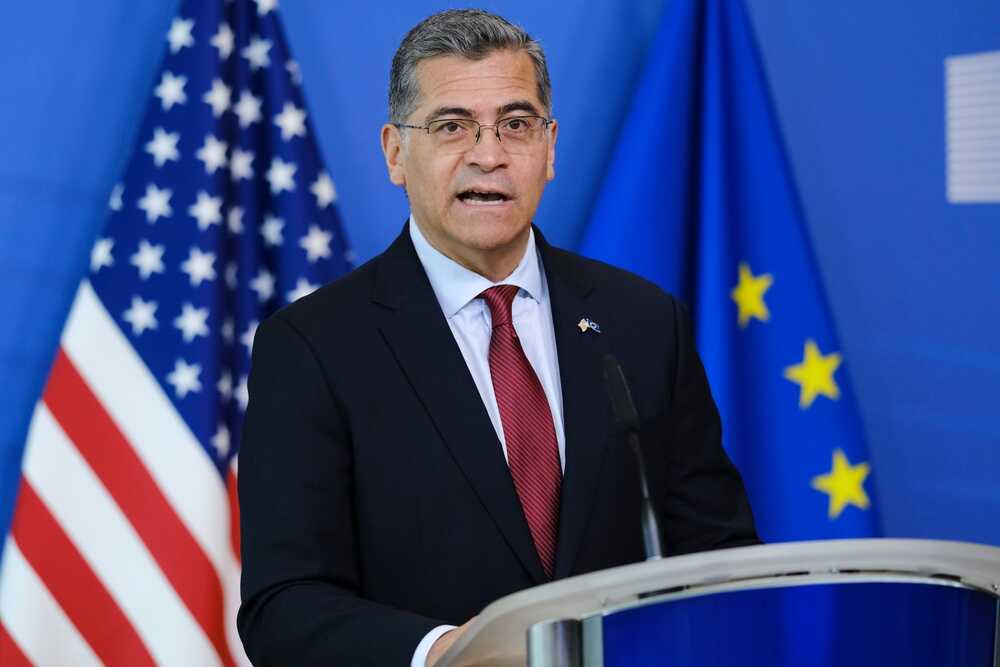
- Four Democratic candidates of color—Xavier Becerra, Antonio Villaraigosa, Tony Thurmond, and Betty Yee—were excluded under a “viability” formula tied to polling and fundraising.
- Invited candidates and top state legislative leaders publicly pushed USC and broadcasters to expand the field; negotiations failed and the event was scrapped.
- USC said the controversy became a “significant distraction” from voter issues; political scientists defended the professor who designed the selection method.
USC pulled the plug after the invite list became the story
USC’s Dornsife Center for the Political Future canceled its planned California governor debate on March 24, 2026, after a dispute over who qualified to appear. The forum was to be co-hosted with ABC7/KABC Los Angeles and Univision, and the cancellation came after failed talks to broaden the lineup. USC said the escalating fight over participation criteria had become a major distraction from what it claimed voters needed most: a focus on issues and comparisons.
The dispute centered on a “data-driven” viability formula created by USC professor Christian Grose. Reporting described the method as drawing on polling, fundraising, and related measures, though outlets noted the precise weighting and thresholds were not fully disclosed publicly. That gap matters because the controversy didn’t merely question the math; it questioned the legitimacy of gatekeeping itself. With no consensus on expanding the stage, the organizers chose cancellation over an event overshadowed by procedural brawling.
Excluded candidates framed the criteria as arbitrary—and discriminatory
Xavier Becerra triggered the flashpoint with letters criticizing what he called “patently arbitrary” standards that, in practice, left out candidates of color while inviting a roster that was described as primarily white. Other excluded candidates—Antonio Villaraigosa, Tony Thurmond, and Betty Yee—also argued the process denied voters a fair look at credible contenders. Several reports said at least some excluded candidates pointed to polling comparisons suggesting they were competitive with invited names.
The list of invited participants included Steve Hilton, Chad Bianco, Katie Porter, Tom Steyer, Eric Swalwell, and San Jose Mayor Matt Mahan. The blowback intensified when invited Democrats publicly urged USC to expand the debate rather than proceed with a narrowed stage. In Sacramento, Assembly Speaker Robert Rivas and Senate President pro Tem Monique Limón urged a boycott if the exclusions stayed in place. The political reality was simple: once key participants and institutional power centers signaled they might walk, the broadcast became unstable.
Academics defended the method as research-based, not racial targeting
USC defended Grose’s work as having “broad academic support,” and a group of political scientists argued he faced “baseless allegations” rather than substantive critique of the model itself. That defense matters because it highlights a pattern voters increasingly recognize: institutions that try to use objective metrics can still get forced into identity-driven fights when outcomes don’t match political expectations. The available reporting supports both realities at once—there was a formula, and there was backlash because of who the formula excluded.
From a conservative, common-sense standpoint, the bigger issue is not which Democrat got a microphone; it’s how quickly public institutions and media partners can end up prioritizing optics and coalition pressure over giving voters a clear, side-by-side comparison. When debates get canceled at the first sign of organized outrage, voters lose an accountability tool. And when selection rules aren’t fully transparent to the public, suspicion grows—whether the criteria are fair or not.
A replacement forum fizzled, and campaigns moved on without a shared stage
After the cancellation, Tom Steyer floated an alternative forum with KNBC-TV, but reporting said the effort fell apart because excluded candidates already had scheduling commitments. Rick Caruso, who was not invited to the original USC event, called for rescheduling through the California Democratic Party and criticized the presence of low-polling candidates. As of the most recent reporting, no replacement USC debate had been confirmed, leaving campaigns to rely on smaller events and direct outreach.
The immediate impact is straightforward: fewer opportunities for voters to see candidates challenged in real time by opponents and moderators. The longer-term question is whether California’s political class will demand clearer, consistently applied debate standards—or whether every future forum will be vulnerable to last-minute pressure campaigns. The research suggests the standoff was never just about a single night on TV; it was about who gets to define “viability,” and whether rules can survive when they collide with the identity politics that dominate Democratic intraparty fights.
Sources:
Plans for forum to replace scrapped USC governor’s debate fall apart
California gubernatorial debate at USC canceled: Here’s why
Governor candidate debate at USC canceled following controversy
California leaders call to boycott debate if other candidates not included