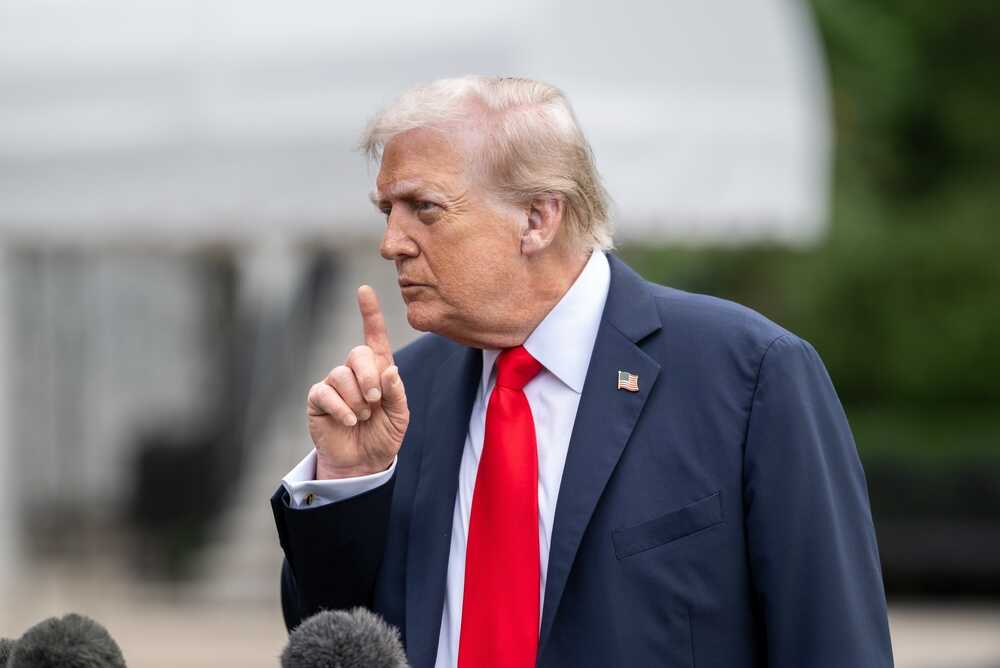
President Trump’s warning of jail time for reporters who reveal live-operation details has ignited a fresh clash over whether national security—or press freedom—sets the rules in wartime.
Quick Take
- An Israeli journalist, Amit Segal, publicly claimed he first reported that one of two U.S. pilots shot down over Iran was missing before the U.S. government confirmed it.
- Trump threatened jail for journalists tied to the reporting and directed attention toward identifying leakers and compelling source disclosure.
- The Justice Department is reportedly pushing media companies to reveal sources, setting up a legal fight over reporter privilege.
- It highlights a recurring tension: Americans want transparency, but operational leaks can endanger troops during active missions.
Trump’s Jail Threat Puts Leak Culture Back in the Spotlight
President Trump escalated a familiar Washington conflict after reports surfaced that a U.S. aircraft had been shot down over Iran and that one of two American pilots was missing—information published before official confirmation. According to reporting, Trump later discussed a subsequent rescue mission and warned that journalists who reported on the incident could face jail time. The confrontation is now less about headlines and more about who leaked sensitive information during an active military crisis.
The underlying concern for many conservatives is straightforward: when reporters publish details ahead of commanders, the people most exposed are service members and rescue teams. Even limited facts—such as whether a pilot is missing—can shape enemy behavior, influence search patterns, and complicate negotiations or recovery efforts. At the same time, the American public expects timely information in a conflict, and presidents routinely use the bully pulpit to define what the country should know and when.
Amit Segal Steps Forward, Promising to “Protect Sources”
Amit Segal, an Israeli journalist, has publicly claimed responsibility for breaking the “missing airman” scoop first and said he would protect sources despite the president’s threats. That admission matters because it shifts the story from an anonymous blame game into a test of how far governments can go to pressure journalists and media organizations. It also raises practical questions about jurisdiction, enforcement, and the ability of U.S. authorities to deter future leaks during overseas crises.
The reporting indicates Trump’s Justice Department is seeking to compel media companies to provide sourcing under the banner of national security. That is where the dispute becomes more than political theater. Source protection is a foundational journalistic practice, but it is not an absolute shield in every scenario, especially when the government argues the information came from an unlawful leak tied to an ongoing operation. The facts available so far do not show what was leaked beyond the missing-status disclosure, leaving key operational-risk details unclear.
Operational Security vs. Public Accountability in a Live Conflict
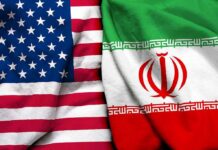
The incident unfolded during a month-long conflict between the United States and Iran, described in reporting as among the most perilous moments of that period. In a live conflict, speed can become a weapon: adversaries monitor U.S. media, allied media, and social platforms for clues. Conservatives who already distrust the “deep state” often argue leaks reflect internal agendas, not public service. Liberals often argue aggressive leak investigations become a pretext to intimidate political opponents and the press.
It does not establish who leaked the information or whether the disclosure directly endangered the missing airman or the rescue force. That limitation is important because it separates what can be proven from what people assume. Still, the episode reinforces a broader trend Americans across the spectrum recognize: powerful institutions—whether bureaucracies or media ecosystems—often operate with incentives that do not align with ordinary citizens’ interests, including the safety of troops and the integrity of information during wartime.
The Legal Fight Ahead Could Set a Precedent for Reporter Privilege
If the Justice Department continues pursuing compelled disclosure, the U.S. could see another high-stakes test of reporter privilege and national security claims. For conservatives, a narrow, clearly defined approach—punishing unlawful leakers inside government while avoiding broad crackdowns on lawful reporting—tends to align with limited-government principles and constitutional protections. For liberals, the worry is that sweeping threats of jail become a chilling signal. Either way, the next steps will indicate whether the administration targets specific leakers or tries to make journalists the enforcement point.
Politically, the fight lands in a familiar place: voters on the right see an establishment that leaks to shape narratives and undercut elected leadership, while voters on the left see an administration eager to punish unfavorable coverage. The common ground is skepticism that the federal government reliably tells the public the truth in real time. With the rescue mission now public and the leak question unresolved, the lasting impact may be a tougher press-government relationship—and renewed debate over what Americans should learn during a crisis, and at what cost.
Sources:
Trump Threatens to Jail Journalists Who Reported on Pilot Rescue
Israeli journalist claims scoop on missing US airman in Iran, defying Trump