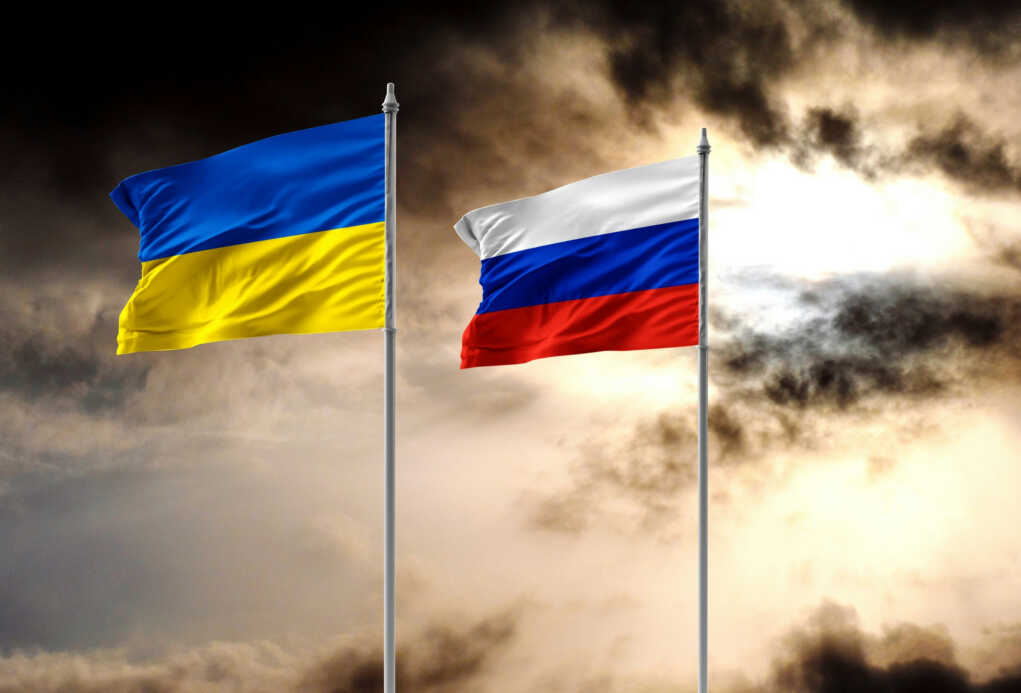
Ukraine’s top negotiator reveals that peace talks with Russia are advancing toward a potential agreement after four years of devastating conflict, signaling the war-weary nations may finally be ready to end Europe’s bloodiest fight since World War II.
Story Snapshot
- Kyrylo Budanov announces meaningful progress in Russia-Ukraine negotiations, predicting talks “will not be long”
- Head of Ukraine’s Presidential Office confirms both sides recognize the necessity to stop fighting
- Kremlin allies downplay progress even as Russia faces mounting economic pressure from war spending
- Potential ceasefire could reshape European security but leaves questions about territorial disputes unresolved
Budanov’s Optimistic Assessment Contradicts Public Stalemate
Kyrylo Budanov, Head of Ukraine’s Presidential Office and a top negotiator, told Bloomberg on April 10, 2026, that Russia and Ukraine are making substantive progress toward ending the war. Budanov stated, “They all understand that the war must end. That’s why they are negotiating. I don’t think it will be long.” His comments mark a striking departure from the stalled public negotiations that have yielded few concrete results since the conflict began with Russia’s full-scale invasion on February 24, 2022. The assessment comes as both nations grapple with heavy casualties, economic strain, and mounting pressure to find a resolution.
Budanov’s involvement in backchannel meetings suggests high-level diplomatic efforts are advancing behind closed doors, even as public talks remain largely symbolic. The negotiator’s claim that Russia “wants to stop the war” contrasts sharply with rhetoric from Kremlin allies, who have minimized reports of progress. This disconnect highlights the propaganda battle still raging between Moscow and Kyiv, even as both governments apparently pursue serious negotiations. Ukrainian media outlets, including UNN and NV.ua, have amplified Budanov’s optimism, framing it as a breakthrough moment in the grinding four-year conflict that has displaced millions.
Economic Pressure Drives Moscow Toward Settlement
Russia faces mounting fiscal challenges that may be forcing the Kremlin’s hand at the negotiating table. Unlike Ukraine, which relies heavily on Western military and financial aid, Russia funds its war effort from its own treasury, creating unsustainable economic pressure. Budanov noted this critical distinction, suggesting Moscow’s willingness to negotiate stems partly from the reality that continued fighting drains resources the Russian government increasingly struggles to justify to its domestic population. Sanctions, combined with the costs of maintaining military operations, have created conditions where a settlement may be more attractive than prolonged attrition.
The war’s economic toll extends beyond government coffers to affect both nations’ civilian populations. Ukraine has endured widespread destruction of infrastructure, massive displacement, and the near-total disruption of normal economic activity under martial law. Russia, while less visibly damaged, confronts the long-term consequences of international isolation and the loss of trade relationships that once anchored its economy. President Volodymyr Zelenskyy has framed peace negotiations as a tool to save lives rather than a capitulation, seeking what he calls “fair terms” that address Ukrainian sovereignty concerns. This approach reflects the delicate balance Kyiv must strike between war-weariness and the imperative to secure meaningful concessions from Moscow.
Historical Precedents Cast Doubt on Quick Resolution
Previous negotiation efforts offer sobering context for Budanov’s optimism. Talks held in Istanbul and Belarus during 2022 came close to producing an agreement but ultimately collapsed over disputes regarding security guarantees and territorial integrity. Russia’s 2014 annexation of Crimea and subsequent support for separatists in eastern Ukraine established a pattern of broken agreements that makes any current deal vulnerable to skepticism. U.S.-mediated proposals in 2025 were rejected by both parties, underscoring the fundamental disagreements that have perpetuated the conflict despite its catastrophic human and economic costs.
The lack of independent verification for Budanov’s claims about private talks raises legitimate questions about whether progress is as substantial as suggested. Public negotiations have demonstrably stalled, creating a gap between official statements and observable diplomatic activity. This uncertainty is compounded by the absence of details about what compromises either side might accept. Any agreement will likely involve contentious issues such as territorial concessions, security arrangements, and accountability for war crimes—matters on which both governments have historically refused to budge. The challenge is whether mutual exhaustion has finally created space for concessions that seemed impossible during earlier negotiation rounds.
Broader Implications for European Security and American Interests
A potential peace deal between Russia and Ukraine would fundamentally alter the European security landscape, with profound implications for NATO, the United States, and the broader Western alliance. American taxpayers have shouldered billions in aid to Ukraine, a commitment that has sparked domestic debate about priorities amid economic challenges at home. A settlement could relieve pressure on U.S. defense budgets and allow policymakers to refocus on other national security concerns, including China’s growing influence. However, the terms of any agreement will determine whether it represents a sustainable peace or merely a temporary pause that fails to address underlying tensions.
For conservatives wary of endless foreign entanglements and frustrated by government spending on overseas conflicts, Budanov’s announcement may signal an opportunity to end a costly commitment that has divided Americans. Yet skepticism is warranted given the history of failed diplomatic efforts and the reality that both Moscow and Kyiv have incentives to project optimism regardless of actual progress. The danger lies in accepting a deal that freezes current frontlines without resolving core disputes, potentially setting the stage for renewed conflict. What remains clear is that ordinary citizens in both nations—and taxpayers funding the war effort—deserve transparency about what is being negotiated and whether their governments are prioritizing genuine peace or political expediency.
Sources:
Budanov sees room for compromise with Russia and predicts peace talks may not drag on
Zelenskyy aide says Kyiv nearing peace deal with
Budanov on Russia’s motivation to make a deal: Unlike us, they spend their own money