As assaults on federal officers are alleged and roadways are blocked, New Jersey’s governor is sidelining Immigration and Customs Enforcement at a detention site and calling it “safer.”
Story Highlights
- Gov. Mikie Sherrill shifted crowd control at Newark’s Delaney Hall from federal officers to state police with “safe protest zones.” [3]
- Reports describe violent clashes, roadway blockages, and alleged assaults on Immigration and Customs Enforcement officers. [2][5]
- State leaders argue removing Immigration and Customs Enforcement from immediate protest management will de-escalate tensions. [3][4]
- The dispute underscores the national fight over border enforcement and public safety during volatile protests. [2][5]
Governor Replaces Federal Perimeter Role With State “Protest Zones”
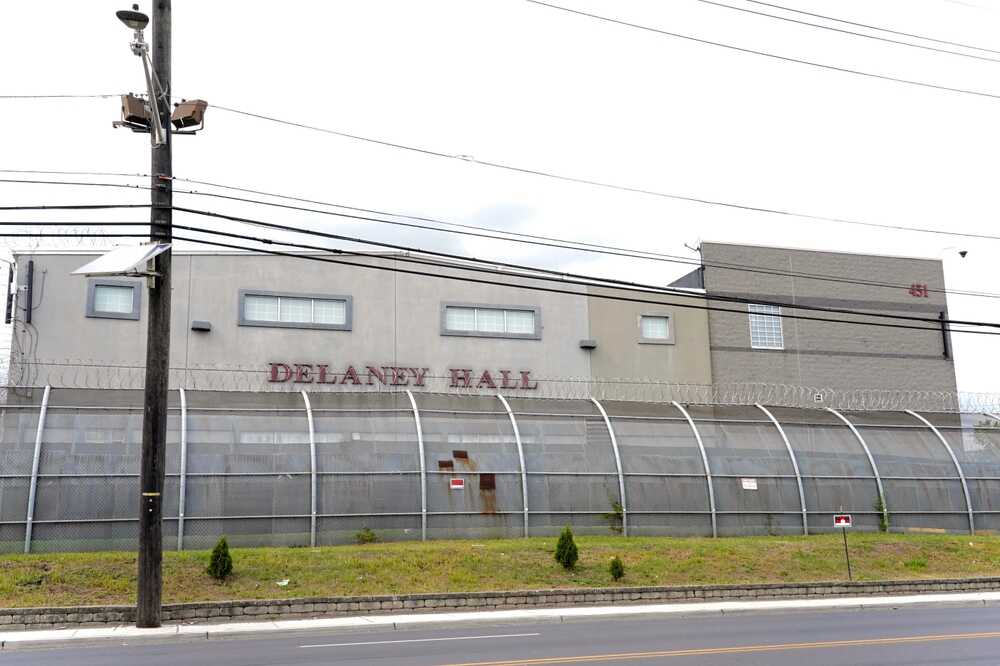
Gov. Mikie Sherrill announced New Jersey State Police would manage demonstrations outside Newark’s Delaney Hall using designated “peaceful assembly zones” and barricades spanning several blocks. Press briefings emphasized separating demonstrators from the facility perimeter and reducing direct interactions with federal officers. Sherrill positioned the move as de-escalation and public-safety management, not a green light for lawlessness. Footage and remarks from the governor’s press appearances detailed the protest-zone approach and the decision to curtail an Immigration and Customs Enforcement management role on the line. [3][4]
New Jersey’s plan focuses on controlled space, bicycle-rack corridors, and state police monitoring designed to limit roadway obstruction while preserving lawful assembly. The governor’s framing insists that keeping Immigration and Customs Enforcement agents off the protest front reduces friction. The state message maintained that the goal was to lower the temperature after protracted confrontations, not to weaken facility security. Video coverage repeatedly referenced the distance buffers and state-led posture as the preferred means of restoring calm outside the detention complex. [3][4]
Reports Detail Violence, Road Blockages, And Alleged Assaults On Officers
Contemporaneous reporting depicts a volatile scene before the shift, including several hundred protesters refusing to clear roads and law enforcement deploying shields, batons, pepper spray, and flash-bang devices. Coverage cited alleged assaults against Immigration and Customs Enforcement personnel, including biting and kicking during clashes, with at least one federal charge reported afterward. Those facts support arguments that conditions surpassed routine protest management and that a stronger security posture remained warranted to protect officers, motorists, and the facility’s operations. [2]
Additional reporting stated that federal officers vacated portions of the immediate area only after days of upheaval and that the transition followed sustained nighttime confrontations outside Delaney Hall. Statements attributed to federal leadership framed the development through a law-and-order lens, highlighting violent anti–Immigration and Customs Enforcement unrest as a continuing concern. These accounts bolster claims that federal involvement should not be minimized when officers face targeted hostility and when core immigration enforcement functions risk disruption by organized agitators. [5]
Competing Claims: De‑escalation Versus Deterrence
Gov. Sherrill’s office has argued that increased Immigration and Customs Enforcement visibility can inflame tensions and that state-managed protest zones create predictability and reduce direct conflict points. That claim, however, lacks publicly released after-action data demonstrating the zones’ measurable effect on assaults, injuries, or roadway clearance. Meanwhile, reporting of officer injuries and road blockages provides concrete indicators of risk. Without a complete, verified incident log or comparative safety metrics, the case for shrinking the federal footprint relies on theory, not clear outcomes. [3][5]
🚨 Governor Sherrill’s “Safe Protest Zone” is Pure Theater
Governor Mikie Sherrill claims she’s “opening a safe place for protest” in front of the ICE facility.Nice try.
In reality, she’s deploying state police to create a controlled buffer that protects federal agents and…
— True Patriot Voice (@TruePatriotVox) May 30, 2026
For conservatives focused on border security, the stakes are clear: enforcement officers must not be abandoned because disorder is loud or politically coordinated. Alleged attacks on federal agents, blocked streets, and repeated nighttime clashes argue for integrated command and firm deterrence, not for sidelining Immigration and Customs Enforcement at detention gates. A constitutionally ordered nation cannot allow volatile crowds to dictate whether federal law is enforced. The prudent course is cooperation that strengthens security at the facility, then accommodates peaceful, lawful assembly. [2][5]
Sources:
[2] Web – Statement by Governor Mikie Sherrill on Reports of ICE at …
[3] Web – NJ governor defends anti-ICE agitators as violence erupts …
[4] YouTube – NJ Gov Mikie Sherrill hold press conference on unrest …
[5] YouTube – NJ Gov. Sherrill announces state police to monitor …