A Silicon Valley chip CEO is now pitching nuclear-powered AI data centers as “good neighbors” that could land in your backyard and reshape your community’s power grid.
Story Snapshot
- Cerebras CEO Andrew Feldman says huge AI data centers can be “clean,” job-creating “good neighbors” for local communities.
- His Oklahoma City complex is already a “big facility” drawing about 10 megawatts of power while supporting roughly 100 local jobs.[1]
- Feldman argues tech firms should build schools, churches, and other amenities so towns welcome new AI infrastructure.[3]
- Nuclear-powered versions of these sites raise tough questions about safety, land use, and who controls America’s critical energy grid.
Tech Leaders Sell Data Centers As Friendly Neighbors
Cerebras Systems chief executive Andrew Feldman openly admits the technology industry has “done a poor job” convincing Americans to accept massive data centers in their communities, and he is trying to change that message.[3] On a recent podcast, he described these facilities as potentially “clean” operations that “make jobs” and “be good for communities” if companies plan with local families in mind.[3] His argument aims straight at skeptical citizens worried about industrial sprawl and resource strain.
Feldman’s pitch emphasizes deliberate community engagement, insisting “we can do this thoughtfully” rather than dumping costs on local taxpayers.[3] He suggested that if companies already have heavy equipment on site, they should add value by building a football field, a school, or even a church or synagogue as part of the project.[3] This vision frames data centers as civic partners, not distant tech outposts, and seeks to ease fears about energy-hungry artificial intelligence infrastructure taking over small towns.
Real-World Example: Cerebras’s Massive Oklahoma City Footprint
Oklahoma City offers a concrete look at what these promises mean on the ground. Local reporting describes the Cerebras facility there as “a big facility,” underscoring its scale and visibility in the community.[1] The operation has created about 100 jobs, providing material employment and suggesting that advanced computing sites can bring more than a handful of high-end engineering roles to host regions.[1] Supporters point to these numbers when arguing that AI infrastructure can anchor local economic development.
The Oklahoma City complex also reveals the scale of energy demand attached to these projects. The data center requires around 10 megawatts of power, making it a heavy, constant load on the regional grid rather than a minor commercial customer.[1] That footprint explains why industry leaders now float nuclear power and small modular reactors as future solutions for around-the-clock electricity. It also fuels skepticism that such facilities are lightweight community assets, because residents see industrial power lines and transformers, not just sleek server racks behind closed doors.
Nuclear-Powered AI Hubs: Promise And Pushback For Communities
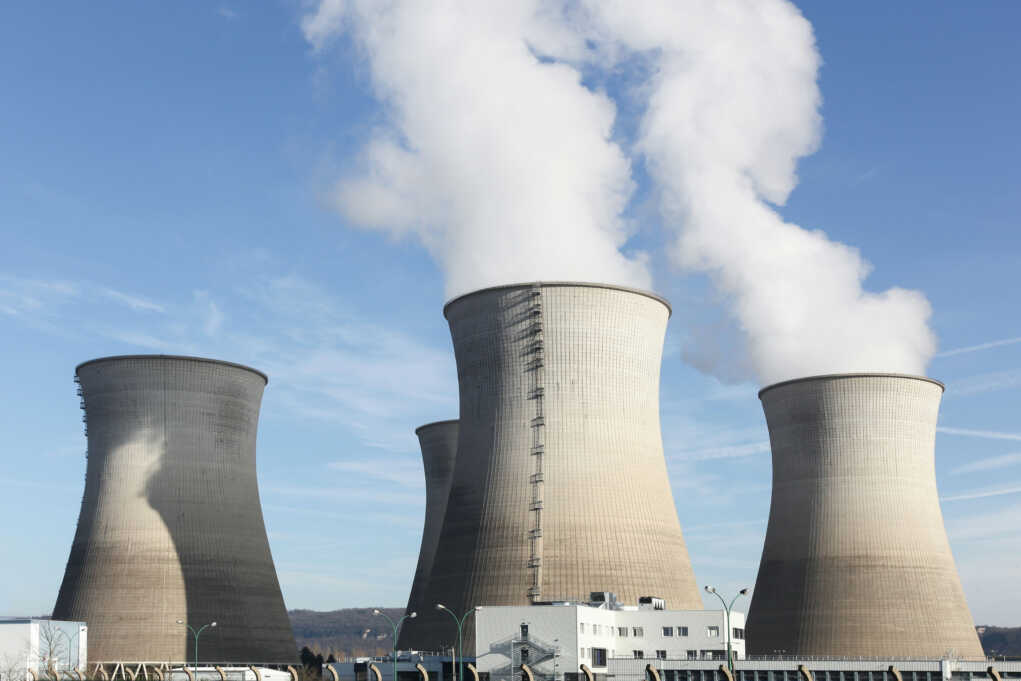
Industry leaders like Feldman present nuclear-powered data centers as a way to deliver reliable, carbon-free electricity for artificial intelligence while reducing pressure on existing grids. As chief executive of Cerebras Systems, a company that designs specialized chips for supercomputing and artificial intelligence workloads, Feldman has every incentive to secure stable energy for his customers and new facilities.[5] That context makes his “good neighbor” language part public-relations pitch and part attempt to lock in long-term, high-density power sources.
Local communities, however, weigh a different set of questions when they hear about nuclear-powered data centers arriving near homes, churches, and schools. Safety concerns, land use changes, and control over critical infrastructure all surface alongside promises of jobs and new amenities. Feldman himself acknowledges that technology companies have sometimes tried to “pawn off costs on the local community” and misuse water and other resources, which implies a history that justifies public caution.[3] Residents must decide whether nuclear-backed AI hubs truly serve them or primarily serve distant corporate and financial interests.
Sources:
[1] YouTube – “Nuclear‑Powered Data Centers” – AI CEO Promises ‘Good Neighbor’ Nuke …
[3] YouTube – Cerebras CEO Andrew Feldman: In 15 years we’ll have data centers …
[5] Web – Cerebras Systems – Wikipedia