
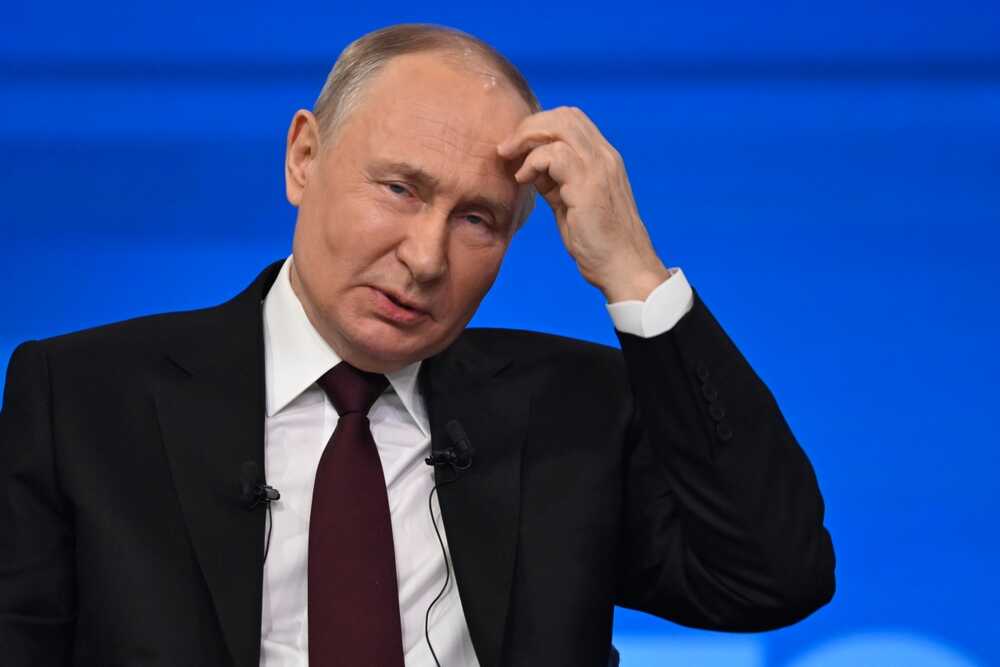
As Russia’s war grinds on and pressures rise, Vladimir Putin looks far less like a master strategist and far more like a cornered strongman whose choices are shrinking by the month.
Story Snapshot
- Putin has doubled down on a long, bloody war with no clear exit, betting he can outlast the West.
- Russia is missing key war and economic goals, even as Ukrainian strikes now hit deep inside Russian territory.
- Despite high approval numbers at home, experts say Putin’s regime shows growing strain beneath the surface.
- For American conservatives, a weaker but still dangerous Putin shifts the stakes for NATO, energy security, and U.S. defense policy.
Putin’s “Theory of Victory” Traps Him in a Costly War
Russian President Vladimir Putin has openly rejected serious peace talks and instead repeated that Russia will push on until it meets its war goals in Ukraine, locking himself into a long, grinding fight that burns lives and money with no guaranteed payoff.[1] Military analysts say his “theory of victory” is simple but brutal: stretch the war out, wear down Ukraine, and wait for the West to get tired and divided.[1] That gamble assumes Europe will cave and that the United States will again accept business as usual with Moscow. For American readers who watched years of weak leadership under globalist Democrats, this should sound familiar. The Kremlin is counting on Western politicians to lose their nerve, not on Russian forces to win cleanly on the battlefield.
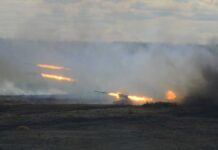
Western experts at respected defense institutes argue that, since Russia’s early retreat from Kyiv in 2022, Moscow has failed on several of its big strategic goals, from quickly subduing Ukraine to keeping its own economy on safe ground.[2] Russia has taken huge losses in troops and equipment while still failing to break Ukraine’s will to fight.[4] At the same time, Ukrainian drones now hit Russian oil sites, bases, and even major cities, showing the Russian homeland is not fully secure.[3] These battlefield realities weaken the image of Putin as a strong, unstoppable leader. He is not beaten yet, but the war he chose is slowly cutting into his power, his resources, and his options.
Strongman at Home, Strain Beneath the Surface
Polls still show that many Russians tell survey takers they approve of Putin’s actions, with one major data set putting his support in the high seventies this spring.[1] That number looks impressive on paper and is often cited by those who insist the regime is stable. But Russia is not a free country. Independent press is crushed, dissent is punished, and elections are tightly controlled.[5] In that kind of system, high “approval” says as much about fear and propaganda as it does about real enthusiasm. Experts who study authoritarian states warn that such regimes can look rock solid right up until the moment cracks widen and elites begin to hedge their bets.[5]
Serious research groups describe Putin’s Russia as a highly centralized, personalist regime in which the president and his small inner circle dominate the courts, security services, and media.[5] That tight grip helps him block open opposition today, but it also means every failure sticks directly to him. Economic strain, war fatigue, or a sudden shock cannot be blamed on a rival party or an independent parliament, because there is none. Some studies now point to rising economic pressure, possible elite frustration, and early signs that the cost of “stability” is catching up with the Kremlin. Putin may not be on the brink of collapse, but the path ahead for him is narrower and more dangerous than it has been in years.
Why Putin’s Weakness Matters for the U.S. and the West
For American conservatives, a weakened but still aggressive Putin creates both risk and opportunity. On one hand, a Russia that is slowly bleeding in Ukraine is less able to bully Eastern Europe, threaten NATO members, or drive up global energy prices to punish the West. That is good for U.S. national security and for American families still dealing with the price spikes and inflation triggered under past big-spending, anti-energy administrations. On the other hand, history shows wounded authoritarian rulers can lash out, escalate conflicts, or look for new crises abroad to distract from problems at home.
Think tanks warn that, while Putin’s regime is under pressure, it is still built to endure and suppress open revolt, meaning the likely near-term future is not a quick palace coup but a slower grind of economic and military strain.[4] That means U.S. policy must do two things at once. It must stay strong and clear-eyed—backing allies, keeping our military edge, and resisting any new push for bad “reset” deals that reward aggression. It also must avoid reckless steps that could turn a weakened Russia into a cornered nuclear-armed power with nothing left to lose. For conservatives who value peace through strength, the lesson is simple: hold the line, keep America energy-dominant and militarily ready, and do not let either globalists in Brussels or apologists in Moscow dictate the terms of the next chapter in this conflict.
Sources:
[1] Web – Putin Is in a Perilous Position. Nothing Is Going To Save Him.
[2] Web – Russian Offensive Campaign Assessment, June 5, 2026 | ISW
[3] Web – Russia is Losing – Time for Putin’s 2026 Hybrid Escalation – RUSI
[4] Web – Putin faces a series of setbacks, fueling discontent in Russia and …
[5] Web – What Could Come Next? Assessing the Putin Regime’s Stability and …