

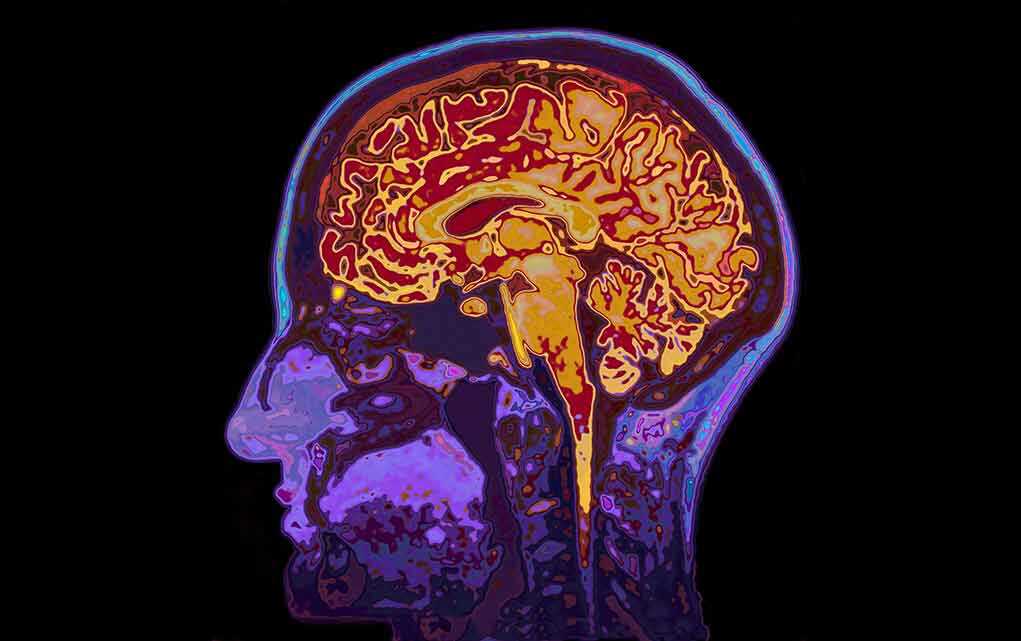
Scientists built a 3D lipid map of the mouse brain with 539 chemical zones, revealing hidden structure and new research paths.
Story Highlights
- Nature-published study mapped 172 lipids across the entire mouse brain and found 539 lipid-defined zones.
- The lipid zones align with known anatomy and expose boundaries standard anatomy missed.
- The team released public code and data so others can repeat the analysis.
- The study highlights complex white matter chemistry that could shape future brain research.
Nature Study Charts 539 Lipid-Defined Brain Zones
Researchers reported a full-brain, three-dimensional lipid map in mice and identified 539 spatially coherent biochemical zones. The team used high-resolution mass spectrometry imaging to track 172 specific lipids across 109 brain sections from 11 eight-week-old mice. They registered the data to the Allen Brain Atlas to anchor the chemistry to known structures. The article, published in Nature, describes these territories as reproducible clusters based on lipid similarity, not just visual labels.
The project calls the clusters “lipizones,” meaning regions that share a signature mix of lipids. The mapped zones show clear spatial patterns and match major landmarks in the brain, like gray matter, white matter, and layered territories. The authors say the map also reveals boundaries that normal anatomy often blurs. That pattern suggests lipids help mark how different parts of the brain are built and maintained over space and time.
White Matter Chemistry Looks Far From Uniform
The atlas pushes past a simple view of white matter as one kind of tissue. The map shows rich chemical differences within white matter pathways across the brain. That means the myelin and supporting cells that help signals move may vary in their lipid makeup from tract to tract. The study links each lipizone to features like cell-type mix and connectivity, which may explain why wiring differs across regions. The report frames these as spatially coherent biochemical domains.
The authors caution by design that the map reflects the lipids they could detect and annotate with confidence. The dataset covers 172 lipid species, so the claims fit those measurements. The clusters reflect a strong, data-driven partition and align with known structure. They do not declare 539 new anatomical parts or proven functional units. Still, the fine detail gives labs clear targets for testing how lipid makeup relates to firing, myelin health, and disease risk.
Open Tools Invite Replication and Next Steps
The team published an open repository with notebooks and methods to reproduce the full analysis. The code documents the imaging workflow, brain registration, clustering steps, and output masks for the 539 lipizones. That transparency lets other groups probe cluster stability, test parameter choices, and add new sections or species. It also helps labs run targeted checks with orthogonal methods, like focused lipid assays or immunostaining, on neighboring sections.
Scientists Map 539 Distinct Chemical Zones in the Brain
EPFL researchers built a 3D Lipid Brain Atlas of the mouse brain from about 7 million measurements across 172 lipids, published in Nature.#Neuroscience #EPFL #Science
Read more: https://t.co/FDv8i8kWL8— Minute Brief (@theminutebrief) October 13, 2026
Future work can push on several fronts. Independent labs can repeat the imaging and clustering across more mice, ages, and strains to test how stable the 539 count is. Cross-species maps in rat, primate, and human tissue can reveal what is conserved. Focused experiments can test if white matter lipid differences change conduction speed or myelin repair. With a clear, public framework in place, those tests get easier and faster to run.
Why This Matters for Readers and Policy
This map shows how careful, open science can make real progress without hype. It builds a shared, testable resource that can guide brain research, mental health studies, and aging work. It avoids the waste that comes from closed data and secret methods. For taxpayers and families, that is the right model: transparent tools, measurable claims, and results that others can check. That approach respects limited dollars and focuses on outcomes that help patients.
Bottom Line
Scientists delivered a whole-brain lipid atlas in mice and defined 539 chemical zones that match and refine known structure. The work uses rigorous imaging, careful registration, and public code. It opens new tests for how brain chemistry shapes wiring, health, and disease. It does not say each zone is a new anatomical part. It does give medicine and biology a strong map to build on, with clear steps for replication and practical use.
Sources:
sciencedaily.com, neurosciencenews.com, github.com