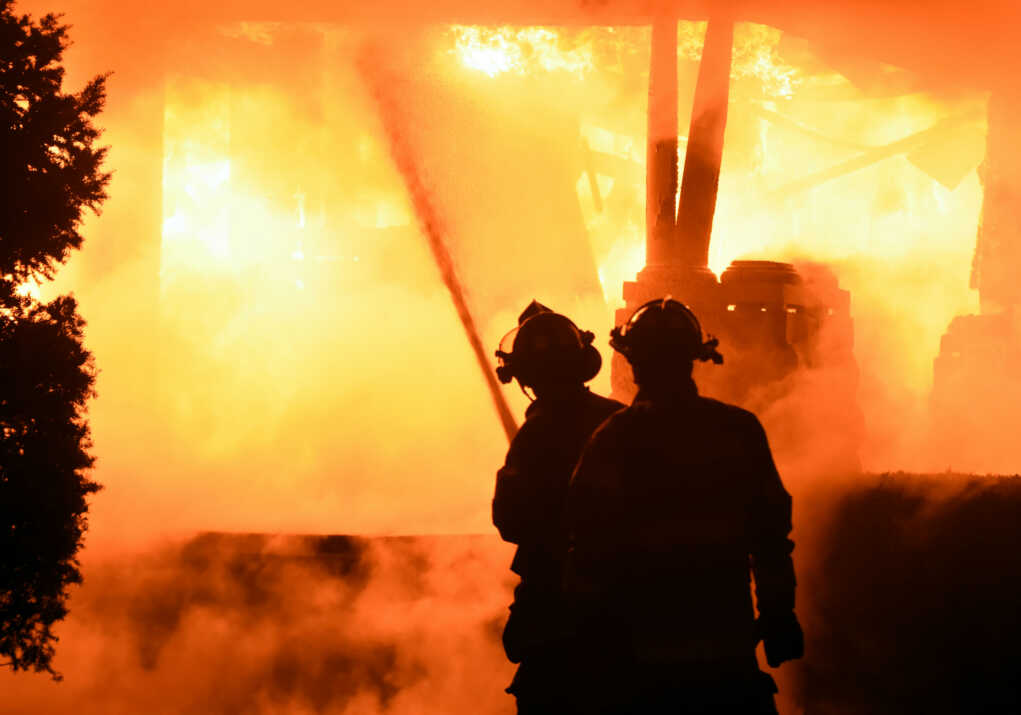
A massive fireworks factory explosion in China has claimed 26 lives, exposing the deadly risks of unchecked industrial practices in a global manufacturing powerhouse.
Story Snapshot
- Explosion at Huasheng Fireworks facility in Liuyang, Hunan province, kills 26 workers and injures 61 others.
- Over 1,500 emergency personnel deployed; search and rescue operations now largely completed.
- Chinese President Xi Jinping orders full investigation, accountability, and industry-wide safety reforms.
- Company leadership detained by police amid questions over safety protocols in high-risk fireworks production.
Explosion Details and Immediate Response
The blast ripped through a workshop at the Huasheng Fireworks Manufacturing and Display Company in Liuyang on Monday at approximately 4:40 PM. Liuyang, a renowned hub for fireworks production under Changsha’s jurisdiction, saw two black powder warehouses heighten the danger, prompting evacuations. Emergency teams mobilized over 1,500 personnel from fire, public security, and health departments. They employed robots, spraying, and humidification techniques to secure the site. Search and rescue concluded by Tuesday afternoon, shifting focus to medical care for the injured.
Casualties and Medical Prioritites
Authorities confirmed 26 deaths, with victims ranging from their 20s to 68 years old, all primarily facility workers. Sixty-one people suffered injuries, mainly bone fractures from the blast force, and six remain in intensive care. Local hospitals, including Liuyang People’s Hospital and Liuyang Traditional Chinese Medicine Hospital, concentrated top medical resources. Changsha Mayor Chen Bozhang announced individualized treatment plans under a closed-loop mechanism. Liu Jiayong, Party Secretary of the Health Commission, oversees this effort to save lives.
Government Intervention and Accountability
President Xi Jinping directed all-out efforts to treat the injured, determine the cause, and enforce serious accountability. The person in charge of the company faces police detention as investigations probe safety failures. Local authorities issued a public apology. Xi’s orders extend to risk screening and hazard controls across key industries, signaling potential regulatory overhauls in fireworks manufacturing. This response underscores central authority asserting control over a national crisis.
Liuyang’s economy relies on fireworks, an inherently hazardous sector involving explosive materials. Recurring incidents highlight persistent safety challenges despite economic importance. Enhanced inspections, stricter black powder handling, and compliance costs loom for the industry. Production delays and supply chain disruptions will impact global fireworks markets, affecting consumers worldwide.
China fireworks factory explosion kills 26, injures 61https://t.co/NoUPvGfO5e
— Insider Paper (@TheInsiderPaper) May 5, 2026
Broader Implications for Worker Safety
This tragedy reveals systemic vulnerabilities in high-risk manufacturing, where workers bear the brunt of inadequate protocols. In 2026, as Americans grapple with federal government failures and elite priorities over citizens’ well-being, China’s industrial disaster resonates. Both conservatives frustrated by overspending and globalism, and liberals decrying inequality, share concerns over elite mismanagement endangering lives. True accountability demands prioritizing individual safety and limited, effective oversight—principles echoing America’s founding values of liberty and responsibility.
Sources:
China fireworks factory explosion kills 21, injures more than 60 people – South China Morning Post
26 dead, 61 injured in China fireworks factory explosion – Deccan Herald
China fireworks factory explosion kills 26, injures 61 – Japan Today
Fireworks factory explosion kills 26 in China’s Changsha – UPI