

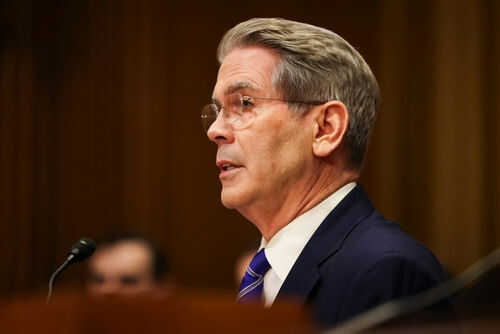
The Trump administration is implementing a 15% global tariff this week after the Supreme Court struck down the previous tariff framework, showcasing determination to protect American interests despite judicial roadblocks that would have deterred weaker leadership.
Story Snapshot
- Treasury Secretary Scott Bessent confirms 15% global tariff rollout this week, up from temporary 10% rate
- Supreme Court invalidated prior tariff program as legally inconsistent, forcing rapid policy recalibration
- New tariff represents temporary bridge while administration develops durable legal framework within months
- Broad global scope marks departure from country-specific Trump-era tariffs, signaling assertive trade posture
Administration Responds to Supreme Court Setback
Treasury Secretary Scott Bessent announced Wednesday that the United States will implement a 15% global tariff sometime this week, replacing the existing 10% temporary rate. The Supreme Court recently invalidated the previous tariff program as inconsistent with existing law, requiring the administration to quickly establish new legal footing. This decisive response demonstrates the Trump administration’s commitment to wielding trade policy tools regardless of judicial obstacles that might paralyze less resolute leadership.
Temporary Measure Bridges Legal Gap
The 15% tariff serves as a temporary framework while the administration develops permanent legal structures expected within months. Unlike prior Trump-era tariffs targeting specific countries like China through Section 301 authorities, this represents a comprehensive global adjustment. The approach reflects lessons learned from earlier trade conflicts while maintaining pressure on trading partners. Administration officials characterize the measure as essential for protecting American competitiveness amid ongoing supply chain vulnerabilities and ensuring domestic industries aren’t disadvantaged by unfair foreign practices.
Economic and Strategic Implications
Short-term effects include higher import prices and supply chain cost pressures that may contribute to inflationary headwinds for American consumers. However, the administration prioritizes long-term benefits including supply chain reorganization favoring domestic production and signaling resolve to international partners. Trading partners including China and the European Union face decisions about negotiating versus retaliating. This uncertainty impacts manufacturers and importers evaluating whether to absorb costs, pass them to consumers, or accelerate reshoring strategies that strengthen American manufacturing capacity.
Constitutional Trade Authority Under Scrutiny
The Supreme Court’s invalidation of the prior program highlights ongoing tensions between executive trade authority and constitutional limits. Conservative principles support robust presidential powers in foreign commerce negotiations, yet demand adherence to legal frameworks Congress establishes. The administration’s swift pivot demonstrates adaptability while respecting judicial boundaries that protect constitutional governance. This measured response contrasts with potential executive overreach that would undermine separation of powers. Markets showed uncertainty following the announcement, with analysts noting volatility as businesses assess compliance requirements and strategic adjustments needed under the revised tariff structure.
The tariff implementation reflects broader administration priorities balancing American economic interests against globalist pressures that previously disadvantaged domestic workers and manufacturers. By maintaining protective measures despite legal setbacks, the Trump administration signals unwillingness to sacrifice American prosperity for international approval. The coming months will reveal whether trading partners pursue constructive negotiations or escalate tensions through retaliatory measures that could harm their own economies while strengthening the case for continued American protectionism.
Sources:
US Raises Tariffs to 15% – XTB Market Analysis
US to hike global tariff to 15% ‘sometime this week,’ Bessent says – Supply Chain Dive