

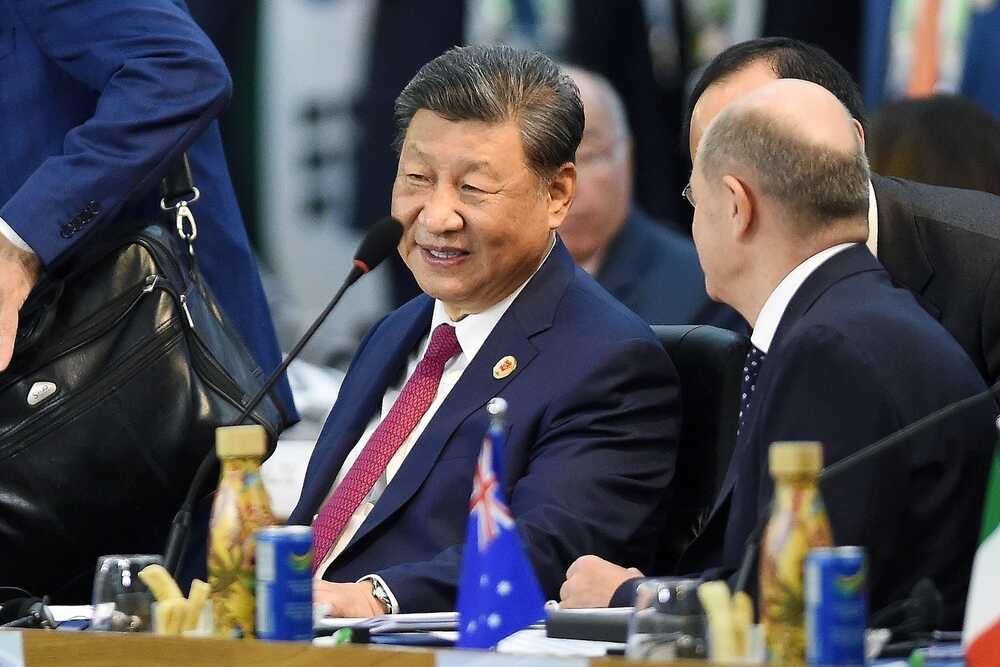
President Trump is walking into Beijing with Taiwan, oil prices, and America’s supply chains all hanging in the balance.
Quick Take
- Trump departs May 11 for a planned May 14–15 summit in Beijing, his first China trip of his second term.
- The agenda centers on trade deliverables (aircraft, agriculture, rare earths, and advanced tech) and crisis management on Taiwan.
- Iran and energy security loom large as Washington seeks stability while Beijing holds leverage as a major Iranian oil customer.
- Analysts expect a pragmatic, “no thrills” meeting—more about preventing escalation than announcing a sweeping reset.
Why This Beijing Trip Matters Now
President Donald Trump left for China on May 11 ahead of a two-day meeting with President Xi Jinping scheduled for May 14–15 in Beijing. The timing is the story: the trip comes as Washington juggles multiple global pressure points—trade, technology competition, and a volatile security environment where one misstep can spike energy prices or rattle markets. The administration’s challenge is to seek stability without trading away leverage on core U.S. interests.
U.S.-China summits often generate big headlines, but the most important outcomes are frequently invisible: whether leaders can set guardrails that prevent a crisis from spiraling. That is especially true with Taiwan described by senior Chinese officials as the “biggest risk.” For American audiences—conservative and liberal alike—the practical question is whether Washington can keep deterrence credible while avoiding a conflict that would hit households through higher prices and disrupted supply chains.
Trade Deliverables vs. Strategic Concessions
Trump’s incentives are straightforward: secure tangible economic wins that help U.S. producers and reduce pressure on consumers. Reports preview talks touching Boeing and agriculture such as soybeans, alongside supply-chain concerns tied to rare earths and advanced semiconductors used in AI systems. Beijing, meanwhile, has reasons to pursue a calmer commercial channel as China navigates its own economic constraints. The risk for Washington is that “deliverables” become politically costly if paired with perceived strategic givebacks.
That tension is why Taiwan will shadow every trade conversation. U.S. policy has long relied on a mix of deterrence, ambiguity, and support for Taiwan’s self-defense, but the research indicates Beijing is pressing for shifts—such as delaying arms-related decisions—while warning U.S. leaders about escalation. The available reporting does not confirm any U.S. commitment to alter Taiwan policy, and it remains unclear what, if anything, has been promised privately. Limited public detail means claims of a “deal” should be treated cautiously.
Iran, Oil, and Beijing’s Leverage
The summit also intersects with the Iran conflict and the energy-security knock-on effects that voters feel quickly, especially through gasoline and heating costs. The research points to discussion of Iran and the Strait of Hormuz, where disruption can reverberate through global shipping and oil markets. China’s role matters because it has maintained ties to Iran and is described as a key oil buyer. That creates leverage for Beijing in any conversation about de-escalation and energy flows.
For conservatives frustrated by inflation and high energy costs, the key test is results: do talks reduce uncertainty that drives price spikes, or do they create new vulnerabilities? For liberals concerned about inequality and consumer costs, the same standard applies—stable energy and steady trade can ease pressure on working families. Either way, a summit that steadies markets without compromising U.S. security interests would be a practical win, even if it produces few dramatic announcements.
What “No-Drama Diplomacy” Signals About U.S.-China Relations
Several analyses in the research describe expectations for a narrow, pragmatic meeting rather than a grand bargain. That aligns with the political reality in 2026: distrust runs deep, and both governments face domestic audiences ready to punish perceived weakness. The most plausible near-term progress is incremental—reopening some channels, clarifying red lines, and preventing misunderstandings. That is less satisfying than sweeping reform, but it can reduce the odds of a shock that harms ordinary Americans.
The broader takeaway is uncomfortable for many Americans: key outcomes may hinge on elite negotiations far from public view, reinforcing the sense that ordinary citizens carry the costs of decisions they do not control. When voters already believe the federal government is failing to deliver competence, any sign of opaque concessions—real or rumored—will deepen distrust. With limited verified detail available before the meeting, the most responsible approach is to watch for concrete, published commitments and measurable follow-through after May 15.
Sources:
https://www.politico.com/news/2026/05/11/trump-xi-taiwan-crisis-00911593
https://www.fmprc.gov.cn/eng/xw/zyxw/202510/t20251030_11743886.html
https://www.brookings.edu/articles/what-happened-when-trump-met-xi/
https://www.cfr.org/articles/at-the-trump-xi-summit-china-will-have-the-upper-hand