
Iranian drones just struck a Kuwaiti oil tanker packed with 2 million barrels off Dubai, spiking global prices and exposing how Trump’s Iran war betrays his no-new-wars pledge to America First families.
Story Snapshot
- Iran hits Kuwaiti VLCC Al Salmi in UAE waters, first attack on Kuwaiti vessel amid day 32 of U.S.-Israel war.
- Trump threatens to obliterate Iran’s power plants and oil if Strait of Hormuz stays closed, right after the strike.
- Oil prices surge past $100/barrel; 20% of global supply at risk from Hormuz blockade hurting U.S. pump prices.
- No crew injuries or spill, but incident signals wider Gulf chaos and failed diplomacy.
- MAGA base questions endless escalation, troop deployments echoing past regime-change disasters.
Tanker Strike Details
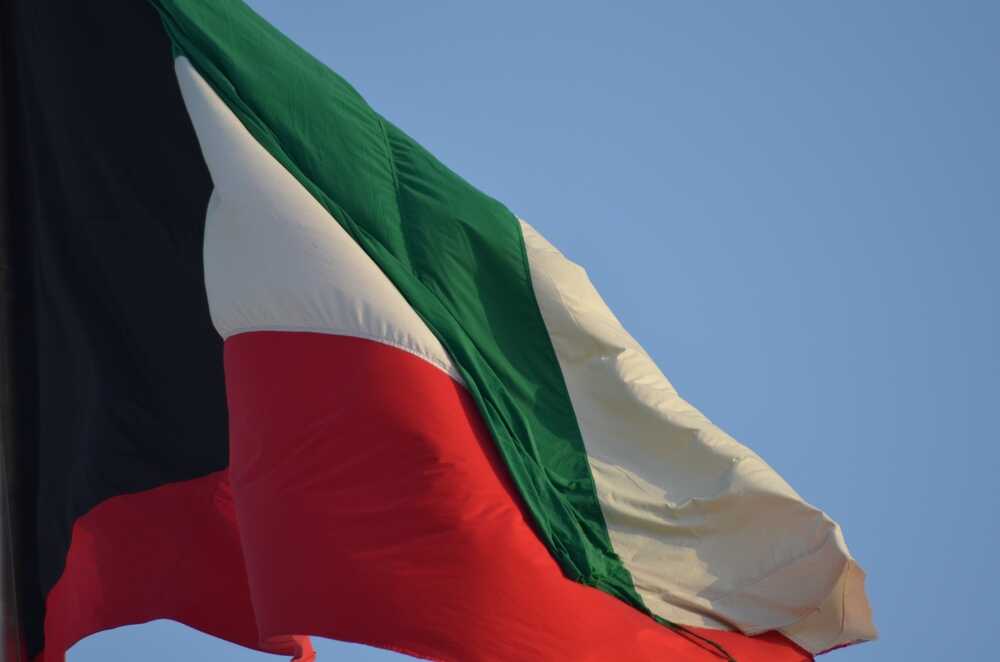
Iranian forces struck the Kuwaiti very large crude carrier Al Salmi at 12:10 a.m. on March 31, 2026, while anchored off Dubai Port. The vessel carried 2 million barrels of oil worth over $200 million. A drone caused hull damage and fire. Dubai and Sharjah authorities extinguished the blaze quickly. No oil leaked into the Gulf. All 24 crew members remained safe. Kuwait Petroleum Corporation confirmed the details that morning.
Trump’s Escalation and Failed Promises
President Trump warned hours before the strike that America would target Iran’s power plants, oil wells, and Kharg Island unless Iran reopens the Strait of Hormuz. This followed Iran’s rejection of U.S. peace proposals through Pakistan, Egypt, Saudi Arabia, and Turkey. Trump set an April 6 deadline. White House Press Secretary Karoline Leavitt claimed private talks progress despite public rebuffs. Yet 82nd Airborne troops now deploy, hinting at ground war.
War Origins and Broader Attacks
The conflict began February 28, 2026, with U.S.-Israel strikes on Iran seeking regime change. Iran closed Hormuz, choking 20% of world oil and LNG. Israel hit Tehran infrastructure, Hezbollah in Beirut, and Zanjan targets. Iran fired missiles at U.S. bases and Israel. Houthis attacked Israel. A U.S. radar jet fell in Saudi Arabia. An Iranian ballistic missile entered Turkish airspace before NATO intercepted it. Power outages plague Tehran.
Prime Minister Netanyahu declared no end timetable for the war. Iran’s Foreign Minister Abbas Araghchi urged Saudi Arabia to expel U.S. forces, claiming strikes spare Arab brothers. Such rhetoric masks aggression that now endangers neutral Gulf shipping lanes vital to global energy.
Economic Pain Hits American Families
Crude prices spiked above $100 per barrel after the strike, renewing volatility. Hormuz closure disrupts Gulf shipping hubs like Dubai Port. Long-term risks include wider war and global energy collapse if unresolved. U.S. families face higher gas costs amid inflation scars from past fiscal mismanagement. Gulf mariners now dodge drones. Casualties mount in Iran, Lebanon, and Zanjan. Spain closed airspace to U.S. planes in protest.
This escalation revives frustrations over regime-change adventures that drain treasure and blood. Trump voters who rejected globalism and overspending demand focus on borders, not foreign entanglements eroding America First priorities like affordable energy and family security.
Sources:
US–Israel war on Iran, day 32: Trump escalates Iran threats, Kuwaiti oil tanker hit in Dubai port
Kuwait oil tanker hit by Iran attack in Dubai port