
California taxpayers are footing a staggering $50 million annual fuel bill to keep the world’s largest aerial firefighting fleet airborne, raising questions about sustainable budgeting as wildfire seasons intensify and fuel prices remain volatile.
Story Snapshot
- Cal Fire’s aerial fleet consumed approximately $50 million in fuel last year alone
- The fleet operates as the world’s largest civilian aerial firefighting force, requiring constant readiness across California
- Aircraft selection dramatically impacts costs, with operational expenses varying by over $46,000 for identical missions depending on the plane used
- Cal Fire insists rising fuel costs will not compromise operations, declaring public safety “non-negotiable”
World’s Largest Fleet Comes With World-Class Price Tag
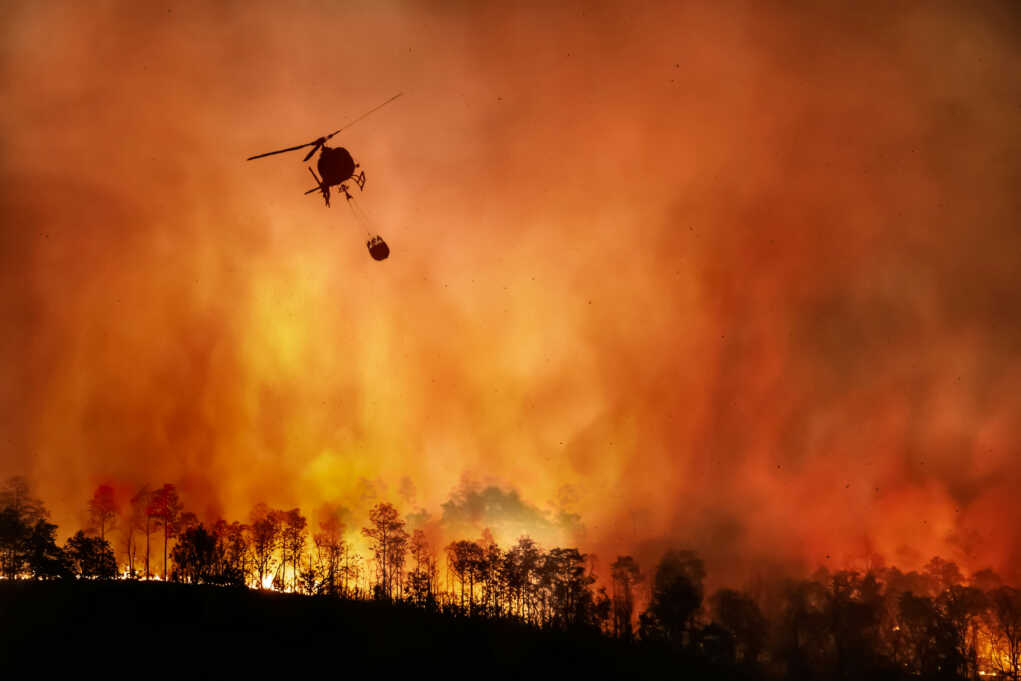
Cal Fire operates the largest aerial firefighting fleet on the planet, strategically positioned across California to respond wherever fires erupt. This massive operation burned through approximately $50 million worth of fuel last year, a figure that represents just one component of the state’s wildfire defense budget. The fleet includes various aircraft types ranging from nimble single-engine planes to massive multi-engine tankers, each with distinct operational capabilities and fuel appetites. As California approaches another potentially devastating fire season, the financial sustainability of maintaining such an extensive aerial force deserves scrutiny from taxpayers already burdened by the state’s notoriously high cost of living.
Aircraft Choice Creates Massive Cost Disparities
The economics of aerial firefighting reveal eye-opening disparities depending on aircraft selection. A Fire Boss can deliver 50,000 gallons to a fire in 3.5 hours for $20,571, operating at less than 65 cents per gallon delivered. By contrast, a CL-415 accomplishes the same water delivery mission in just 2 hours but costs $66,816 to do so—more than triple the expense despite saving only 90 minutes. These dramatic cost differences raise legitimate questions about fleet composition decisions and whether California is maximizing taxpayer value while maintaining firefighting effectiveness.
Safety Declared Non-Negotiable Despite Budget Pressures
Cal Fire has publicly stated that rising jet fuel costs will not impact aerial firefighting operations, positioning public safety as an absolute priority immune to budget constraints. The agency has implemented cost-saving measures including emergency procedure training designed to reduce airborne hours, thereby limiting both fuel consumption and aircraft maintenance expenses. While protecting lives and property must remain paramount, this “cost is no object” approach lacks the fiscal accountability Californians deserve. External factors including geopolitical tensions have driven fuel price volatility, with one analysis noting continued price increases during a 60-day period following conflict escalation with Iran.
Long-Term Sustainability Questions Remain Unanswered
Sustained high fuel costs threaten the long-term viability of maintaining such an extensive aerial firefighting capability. Climate patterns and increasing fire frequency may intensify fuel cost pressures precisely when budget flexibility decreases. Fleet modernization toward more fuel-efficient aircraft could provide relief, but such transitions require substantial capital investments that compete with other state priorities. California communities depend entirely on this aerial protection, yet state budget authorities must balance firefighting capabilities against education, infrastructure, and social services. The challenge facing policymakers is honest: how long can California absorb $50 million annual fuel bills plus operational and maintenance costs before difficult tradeoffs become unavoidable?
The fundamental question transcends partisan politics and strikes at government competence itself. Californians face some of the nation’s highest taxes, energy costs, and living expenses, yet basic government functions like wildfire protection consume ever-larger budget shares without apparent efficiency improvements. Both left-leaning residents concerned about climate adaptation and right-leaning taxpayers demanding fiscal responsibility should unite in demanding transparent cost-benefit analyses of aerial firefighting expenditures. The current approach—declaring public safety non-negotiable while spending $50 million yearly on fuel alone—sidesteps the accountability citizens deserve when their hard-earned tax dollars fund government operations.
Sources:
The Fire Boss Advantage – Fire Boss LLC
Jet Fuel Prices Could Drive Up Cost of Aerial Firefighting – Texas Home and Hangar