

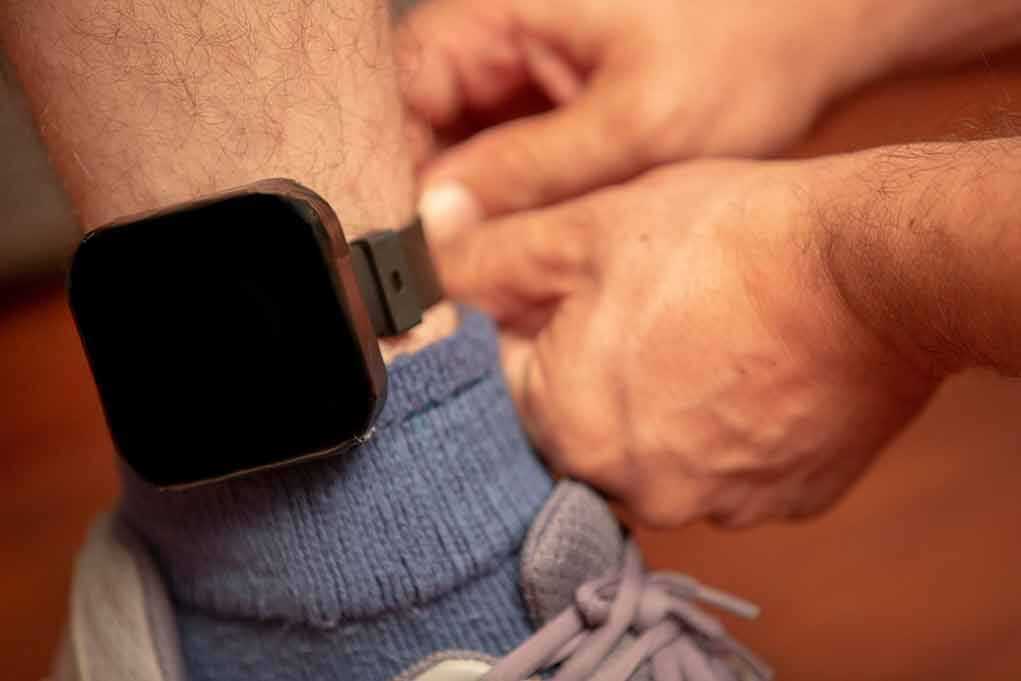
Federal prosecutors say Thomas Markle cut off his court-ordered ankle monitor at 1:45 a.m., days after he was charged with possessing sexual images of prepubescent girls.
Story Highlights
- Federal complaint charges Markle with possessing sexual images of prepubescent girls.
- Prosecutors say he cut off his ankle monitor after release on strict conditions.
- Agents seized about 78 items with suspected illegal images from storage units he rented.
- Markle denies wrongdoing and remains presumed innocent until proven guilty.
Federal Charge And Seizures Described In Government Filing
The United States Attorney’s Office in Los Angeles says agents arrested Thomas Wayne Markle on a federal complaint alleging possession of sexual images of prepubescent girls. The government says investigators seized about 78 items with suspected illegal images from two Los Angeles-area storage units. Officials list slides, film negatives, and books among the items. Prosecutors say records show Markle rented the units for years, which they argue links him to the material. The Associated Press separately reported the same seizure details.
The Justice Department adds that in October 2026, law enforcement learned about an affidavit describing suspected illegal images found among Markle’s possessions in the Philippines. Reporting identified the source as “Witness 1,” without a full public name. That account has not been tested in court yet. The case remains at the complaint stage, which means the evidence has not been presented to a jury, and no verdict has been reached. Courts will weigh the evidence under rules that protect the accused and any victims.
Court-Ordered Monitoring And The Tampering Allegation
A federal magistrate judge placed Markle on home confinement with electronic monitoring and travel limits after his first appearance, according to major outlets that reviewed the ruling. Prosecutors later told the court that Markle was ordered to wear a monitoring bracelet and allegedly cut it off at 1:45 a.m. They moved to revoke his release and seek detention pending trial. The accusation centers on a precise time and device removal claim in a prosecutor’s filing, which will be tested in court like other evidence.
Markle has denied possessing illegal images and called the accusations “sick lies,” according to several reports. His denial has focused on never downloading such material. That statement does not, by itself, resolve questions about the physical media agents say they found in the storage units. At this stage, the presumption of innocence applies. Prosecutors must prove knowing possession, and defense counsel can challenge access, control, and the origin of each item seized.
Key Legal Questions And What Comes Next
Courts now face two separate decisions. First, judges will decide if the alleged monitor removal broke release rules, which can trigger immediate detention. Second, a later trial or plea process must decide if prosecutors can prove knowing possession of illegal images beyond a reasonable doubt. These are distinct questions. A violation of release terms can justify custody without proving the underlying charge. A jury verdict, or a judge in a bench process, decides the core crime claim.
Thomas Markle seen in mugshot as he's thrown in federal prison after 'cutting off ankle monitor' https://t.co/qSaNPux74D via https://t.co/ft5Jcq1JYD
— Jim Polk 🇺🇸 (@JimPolk) November 11, 2026
Officials say the storage units were rented by Markle for nearly two decades, strengthening the government’s link to possession. The Associated Press reported a similar timeline starting in 2008. Still, public summaries do not show who had keys or access at every point. They also do not list an item-by-item forensic match tying Markle’s fingerprints or DNA to every object. Those gaps are normal early in a case and may be resolved through discovery, hearings, or trial.
Why This Matters To Law-And-Order Voters
Families want the system to guard children and punish abuse. Prosecutors say they seized many suspected illegal images and that Markle cut off his monitor soon after release. If proven, that points to a risk to public trust and court authority. If the defense rebuts the claims, that shows due process is working. The path forward is simple and firm: secure custody if release is unsafe, protect victims’ privacy, and test all evidence in open court under the law.
Sources:
abcnews.com, apnews.com, edition.cnn.com, usnews.com, nytimes.com