
California just poured another $2.4 billion into special education, yet many classrooms say they are still drowning in costs, paperwork, and unmet needs.
Story Snapshot
- Governor Gavin Newsom signed AB 126, adding $2.4 billion to K-12 special education, a 43% funding jump.
- Advocates say federal and state shortfalls still force districts to raid general funds and cut other programs.
- Special education teachers report 20-to-1 caseloads, burnout, and staffing gaps even after new money.
- California’s long habit of “historic” school spending hikes without deep reform leaves families skeptical.
Newsom’s $2.4 Billion Special Education Boost
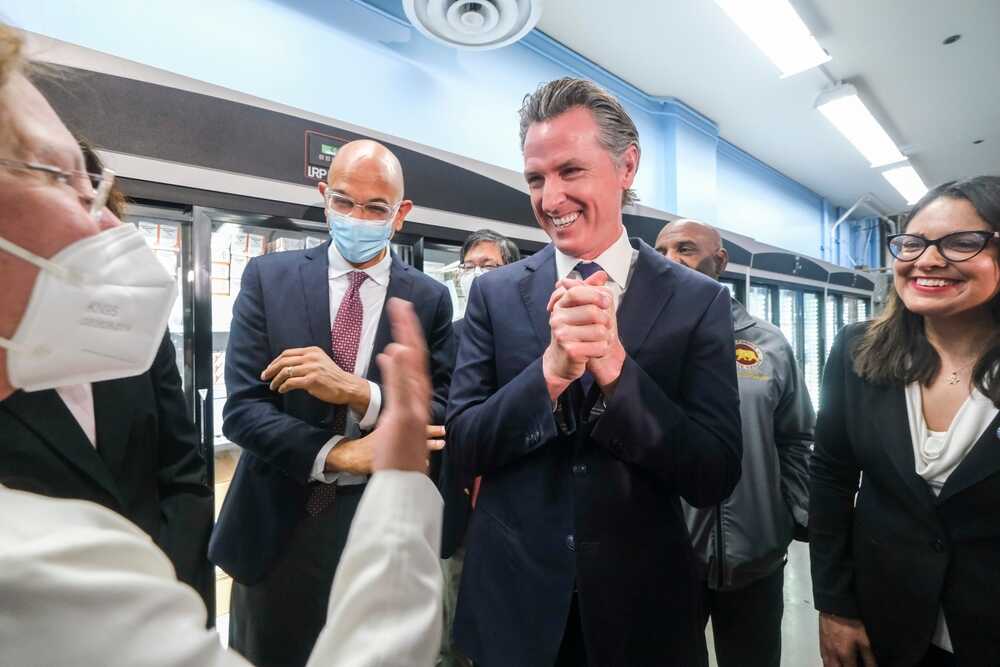
Governor Gavin Newsom signed AB 126, the state’s education budget trailer bill, to expand K-12 special education funding by an additional $2.4 billion. His office calls the move a 43 percent increase over last year’s special education budget, and promotes it as part of the “largest education investment in state history.” The governor’s official release says the money will raise the per-student special education rate to about $1,340 and ensure every local school agency receives funding at the same level. Supporters in the Legislature describe the package as “record funding” meant to better serve students with disabilities and their families.
Alongside the $2.4 billion, Newsom’s budget includes several targeted pots of money aimed at specialized needs. The plan provides $80 million in ongoing funding for a pool that helps cover very high-cost student cases and adds extra dollars for students with rare, low-incidence disabilities. It also sets aside one-time money for inclusion projects and college support for students with disabilities, including tens of millions for inclusive practices and a technical assistance center. Newsom’s office frames these moves as a “pattern interrupt” to shake up how schools think about special education and to reset expectations for support.
Where the Money Meets a System in Crisis
Even with Newsom’s boost, experts say California’s special education system still faces a large funding hole. One advocacy report notes that services for people with intellectual and developmental disabilities are short by nearly $2 billion, meaning new dollars do not fully catch up with need. A roundtable hosted by EdSource highlights how federal law, the Individuals with Disabilities Education Act, requires Washington to pay about 40 percent of extra special education costs, but in practice covers closer to 8 percent in California. Because of that gap, school districts must keep pulling from their main budgets just to meet legal mandates for special education students.
Teachers on the ground say dollars alone have not fixed day-to-day problems in the classroom. One special education teacher told EdSource she handles caseloads around 20 students to one teacher and sees constant understaffing and burnout among colleagues. Rising special education enrollment adds pressure, as more students need individualized plans, therapists, and aides, which all cost money and time. Research on California school finances shows special education spending has more than doubled since the mid-2000s and now makes up about 20 percent of all student spending, yet staffing and service gaps remain. This picture worries parents and taxpayers who expect better results when they hear about “record” spending increases.
Budget Battles and Long-Term Strains
The funding story also ties into a broader budget fight in Sacramento that affects every California school family. Legislative advocates say both the State Assembly and State Senate opposed Newsom’s plan to withhold about $3.9 billion from the state’s school funding guarantee under Proposition 98. Critics argue this move helps balance the state’s general fund “on the backs of students,” making school budgets look healthier on paper while classrooms still struggle. When leaders celebrate big special education numbers but quietly trim or delay other guaranteed education funds, parents and teachers see mixed signals about real priorities.
Newsom Expands Special Education Funding by 43% — Money Flows to Behavioral Issues, Not Disabilities
Governor Gavin Newsom signed a new law increasing California’s K-12 special education funding by 43%. While sold as support for students with disabilities, a large portion of… pic.twitter.com/8vqOJOxn8M
— News Picks Daily (@NewsPicksDaily) July 9, 2026
Over the past few years, California has sharply increased overall K-12 spending, jumping to over $22,000 per student when federal stimulus dollars are included. One analysis finds per-student spending rose more than 30 percent in the state since the pandemic. Yet test score gaps remain stubborn for low-income, Black, and Latino students, and special education remains a major cost driver with uneven results. For many families and taxpayers, this raises a simple question: if the state keeps setting “record” spending levels but classrooms stay in crisis, is the problem really a lack of money—or how that money is managed and what values guide the system?
What Conservative Families Should Watch
California’s special education surge shows how a large, centralized system can grow more expensive without growing more effective. Advocates agree children with disabilities deserve real support, but they also warn that broken funding rules, weak accountability, and one-size-fits-all mandates can waste dollars before they reach the classroom. For conservative families who care about strong local schools, family authority, and responsible spending, this debate matters. It touches core issues like federal overreach under education law, union influence over staffing, and Sacramento’s habit of calling every new program “historic” while core reading and math skills lag.
Newsom’s $2.4 billion increase is now locked into law, and districts will have to decide how to use it. Parents and taxpayers should demand clear metrics: Are caseloads dropping? Are more students learning in stable, safe classrooms? Are funds reaching actual services rather than new layers of bureaucracy? Without that kind of basic accountability, large spending hikes risk becoming another headline victory for politicians while teachers and students bear the daily strain. Careful local oversight and a strong voice from families will be key to turning this big price tag into real progress, instead of just more costly status quo.
Sources:
nypost.com, facebook.com, ksbw.com, instagram.com, abilitypath.org, ppic.org, edweek.org, csef-air.org, highereddive.com