Terror Label Hits Deadly D.C. Ambush
Federal prosecutors are now treating the Capital Jewish Museum ambush as terrorism—an unmistakable warning that political rage can turn into lethal violence on American streets.
Quick Take
- The DOJ filed new terrorism-related charges against Elias Rodriguez in the May 2025 killings of two Israeli Embassy staffers outside Washington’s Capital Jewish Museum.
- Authorities say Rodriguez targeted people leaving an American Jewish Committee event, then declared pro-Palestinian slogans and claimed responsibility.
- The case now blends local D.C. murder counts with federal charges, including murder of foreign officials and terrorism enhancements that can carry the death penalty.
- Jewish institutions and diplomatic sites face renewed pressure to harden security as antisemitic incidents and conflict-linked threats remain elevated.
DOJ escalates the case from murder to terrorism
Federal authorities filed sweeping terrorism-related charges against Elias Rodriguez, the 30-year-old Chicago man accused of killing two Israeli Embassy staffers outside the Capital Jewish Museum in Washington, D.C. The Justice Department framed the escalation as more than a standard homicide prosecution, emphasizing the alleged intent to intimidate and “terrorize” survivors. Rodriguez is already in custody as the case proceeds through federal court alongside separate D.C. charges.
Prosecutors’ decision matters because federal terrorism allegations change how the crime is understood, how evidence is presented, and how punishment can be pursued. The underlying facts of the attack remain central: the victims were embassy employees attending a Jewish community event, and the suspect was arrested at the scene. The new filings also signal that the government is treating ideological motive and public intimidation as key elements, not just collateral details.
What investigators say happened outside the museum
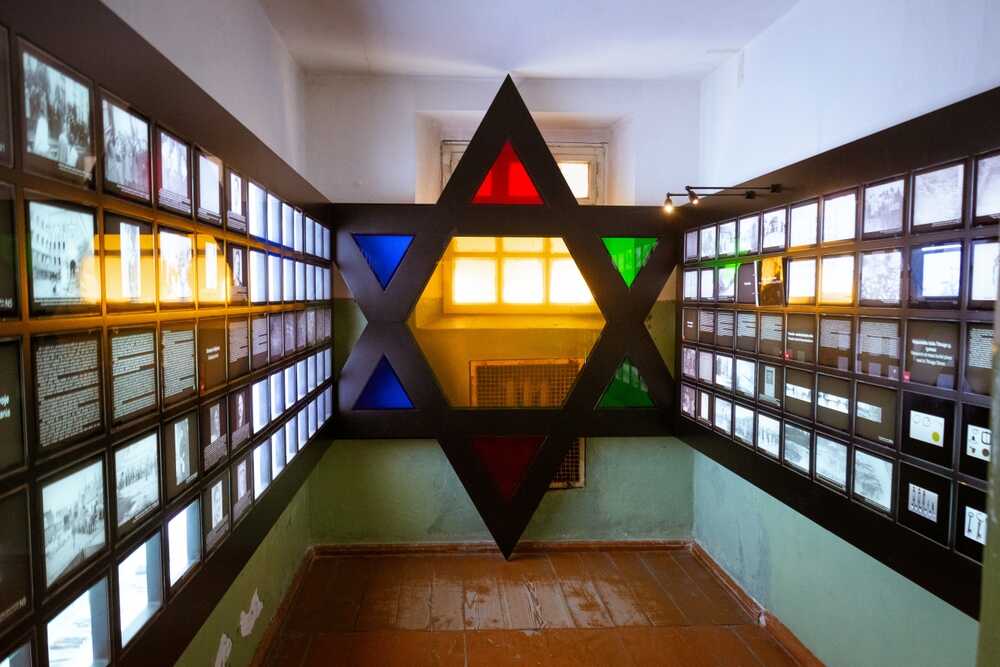
Investigators say the shooting occurred at about 9:08 p.m. on May 21, 2025, as attendees left an American Jewish Committee “Young Diplomats Reception” at the museum. Authorities allege Rodriguez fired a handgun at four people, killing Yaron Lischinsky and Sarah Milgrim—Israeli Embassy staffers described as a couple—while others were also hit. Police accounts cited in reporting describe Rodriguez pacing outside beforehand, consistent with a planned ambush.
Officials say Rodriguez then went into the museum, appeared distressed, and was detained by security after identifying himself as the shooter. Reports describe him displaying a keffiyeh and chanting “Free, free Palestine,” while also saying, “I did it for Gaza.” Those statements, if proven and properly admitted in court, are central to why the case is being framed as terrorism rather than simply a murder with a political backdrop.
Why the charge stack is significant for law, punishment, and deterrence
The prosecution now spans multiple legal lanes. The suspect faces D.C. murder counts under local law, where capital punishment is not available, while federal charges include murder of foreign officials, a death-eligible statute. The newly added terrorism-related counts intensify exposure and underscore the federal government’s position that the alleged act was meant to influence or intimidate beyond the immediate victims. That distinction is a cornerstone of terrorism prosecutions.
For Americans who are weary of selective enforcement and politicized standards, the facts cited by DOJ create a clear test: if violence is aimed at civilians to advance an ideological cause, the law should treat it consistently, regardless of which “side” claims the motive. The available reporting also leaves limits: the public record summarized so far describes a lone actor and does not establish broader coordination, even as it highlights ideological signaling at the scene.
Security fallout for Jewish sites and diplomatic targets
The museum attack landed in a climate where Jewish institutions already report heightened security needs, and the event location—near diplomatic and political corridors in D.C.—amplified the shock. Background reporting notes that antisemitic incidents have risen and that Jewish institutions, including museums and community spaces, increasingly rely on security grants and hardened protocols. Israeli officials also publicly condemned the shooting and pushed for broader protective measures for personnel abroad.
Feds file sweeping terrorism charges against suspect in deadly DC ambush of Israeli Embassy staffers at museum https://t.co/dhEGOYaFTp
— Fox News (@FoxNews) February 5, 2026
The immediate policy question is how America protects lawful speech while stopping violence aimed at intimidation. The government’s filings point to alleged public slogans and symbolism at the scene as indicators of motive, but the case’s core remains straightforward: two people were shot and killed outside a Jewish event, and prosecutors say the attack was designed to terrorize. The trial process will determine what is provable beyond a reasonable doubt.
Sources:
2025 Capital Jewish Museum shooting
New Terrorism-Related Charges Filed Against Alleged Killer of Israeli Embassy Employees