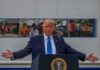
Prime Minister Keir Starmer’s plan for dynamic alignment with EU laws has ignited a political firestorm, with Brexit advocates, led by Nigel Farage, labeling the move a “Brexit betrayal.” Critics argue the plan, which aims to reduce trade friction by aligning UK standards with the EU’s in areas like food and welfare, surrenders UK sovereignty without granting the country a say in creating the rules. Starmer’s government defends the decision as a pragmatic economic strategy that will boost growth without rejoining the single market or customs union. The debate exposes deep rifts and sets the stage for a major electoral issue.
Story Highlights
- Nigel Farage accuses Keir Starmer of a “Brexit betrayal” due to EU alignments.
- The Labour government plans to align with EU laws, bypassing UK parliamentary input.
- Farage warns this undermines Brexit’s promise of regained sovereignty.
- Starmer claims the plan will reduce trade paperwork and boost economic growth.
Farage’s Outcry Against EU Alignment
Nigel Farage, leader of the Reform UK party, has vocally criticized Prime Minister Keir Starmer’s plans for dynamic alignment with EU laws. Farage labels this move a “Brexit betrayal,” arguing it surrenders UK sovereignty without tangible benefits for businesses or consumers. The plan involves aligning UK laws with EU standards in areas such as food standards, animal welfare, and carbon markets, allegedly leaving the UK with no say over these regulations.
Starmer’s government has defended the alignment plan as a strategic decision to reduce trade paperwork and stimulate economic growth. The Labour administration insists that this approach will not involve rejoining the single market, customs union, or EU, nor will it reintroduce freedom of movement. Despite these assurances, Farage and other conservative voices see this as a reversal of the Brexit mandate, igniting political tensions.
Keir Starmer is pushing "dynamic alignment" with the EU meaning Britain automatically adopts Brussels' rules on food, animal welfare, pesticides, and potentially net zero! Without MPs voting or the British people having ANY say!
We voted LEAVE to TAKE BACK CONTROL – not hand it… pic.twitter.com/AKDkde7365— Shillitz (@shillitz) January 7, 2026
Potential Impacts on UK Sovereignty
The proposed dynamic alignment has sparked concerns among Brexit advocates about the erosion of UK legislative independence. Critics argue that accepting EU rules without voting rights undermines the core principle of Brexit: reclaiming sovereignty over UK laws and borders. This concern is echoed by the Conservative Party and other right-leaning groups who fear that the UK will be subject to EU mandates without input, similar to pre-Brexit dynamics.
Supporters of the alignment, however, view it as a pragmatic solution to streamline trade with the EU, which remains a significant market for UK goods. The Labour government posits that this move will ease export burdens for UK manufacturers who already voluntarily comply with EU standards, fostering economic growth in the process.
Political and Economic Ramifications
The debate over EU alignment is poised to become a significant issue in upcoming elections, with Farage vowing to make it a central topic in May 7, 2026, elections. The alignment proposal has also exposed rifts within the Labour Party, with some backbenchers supporting a more extensive customs union. This internal pressure could influence Starmer’s strategy as he navigates these complex political waters.
Businesses stand to benefit from reduced trade friction, but the alignment raises long-term concerns about regulatory autonomy and increased costs in sectors like energy and manufacturing. The political and economic ramifications of Starmer’s plan will likely reverberate beyond legislative halls, affecting various industries and the broader UK economy.
Watch the report: Nigel Farage LAYS INTO Keir Starmer for SELLING OUT Britain
Sources:
- Starmer sets up fight With Farage on EU single market access | Luxembourg Times
- Starmer says closer ties with EU single market preferable to a customs union | Trade policy | The Guardian
- Food prices in supermarkets to fall as UK moves closer to Single Market to undo Brexit harm, says Starmer | The Standard