
President Trump ordered a full US naval blockade of the Strait of Hormuz after Iran refused to budge on its nuclear program during failed peace talks, escalating a standoff that now threatens twenty percent of the world’s oil supply and risks igniting a wider war.
Story Snapshot
- Trump announces immediate US Navy blockade of Strait of Hormuz on April 12, 2026, targeting all vessels including those paying Iranian tolls
- Move follows collapse of Pakistan-hosted peace talks where Iran refused concessions on nuclear weapons development
- Iran warns of “harsh response” to US warships, claiming strait control and calling American presence a ceasefire violation
- Strait carries approximately 20% of global oil, putting worldwide energy markets at risk amid mutual blockade threats
Diplomatic Failure Triggers Escalation
Marathon negotiations in Islamabad collapsed on April 12, 2026, when Iranian officials refused to accept any restrictions on their nuclear program despite reaching agreement on most other issues. Hours after the talks failed, Trump posted on Truth Social announcing the US Navy would blockade any ships entering or leaving the Strait of Hormuz. The president accused Iran of “world extortion” through its mine-laying and selective passage system that charged vessels tolls for safe transit. Trump threatened that any attackers would be “blown to hell,” marking a dramatic shift from diplomacy to direct confrontation over the critical shipping lane.
Six-Week Conflict Creates Dangerous Leverage
The current crisis stems from a US-Israel bombing campaign launched over six weeks ago that destroyed much of Iran’s navy and nuclear enrichment facilities. In retaliation, Iran mined the Strait of Hormuz and imposed restrictions on passage, effectively blockading the waterway that carries roughly twenty percent of global oil supplies. Despite losing significant naval capability, Tehran managed to retain control through asymmetric tactics, allowing select vessels to pass in exchange for toll payments. This “smart management” strategy gave Iran critical leverage during ceasefire negotiations, even as US warships began mine-clearing operations the Saturday before Trump’s blockade announcement.
Competing Blockades Threaten Global Energy
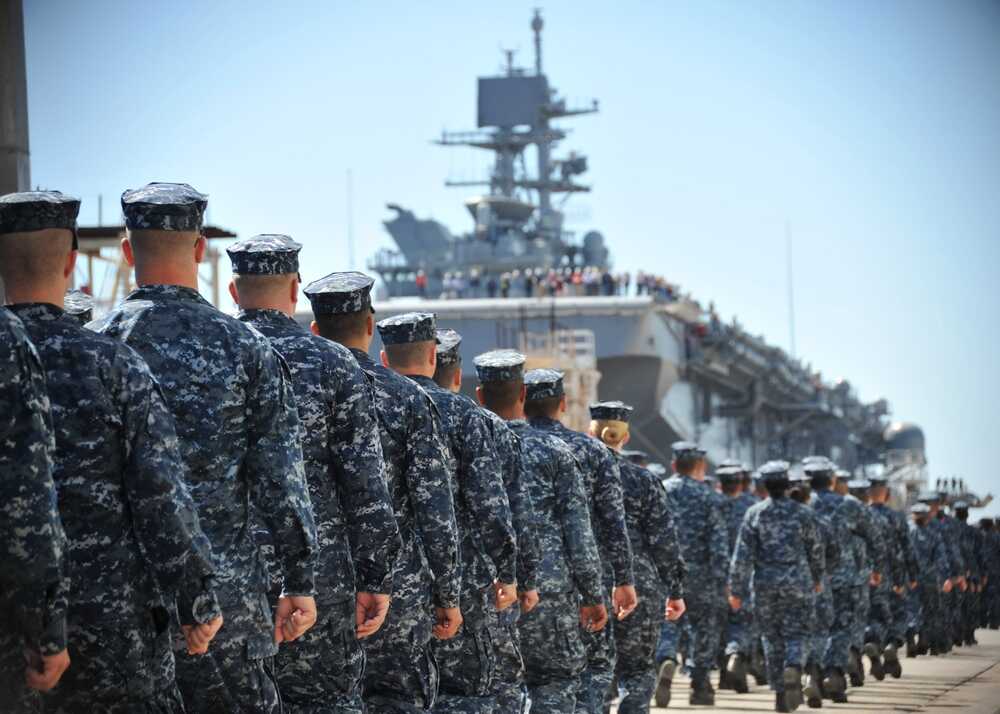
The US Navy now faces the complex task of enforcing a blockade against all vessels while simultaneously conducting mine-clearing operations in one of the world’s busiest shipping lanes. Analysts question whether such enforcement is feasible given the high volume of maritime traffic typically flowing through the narrow strait. Iran’s Islamic Revolutionary Guard Corps has warned that any US military approach constitutes a violation of the fragile two-week ceasefire, threatening a “strong response” to American vessels. The competing blockades create extraordinary risks for oil markets, shipping companies, and energy-dependent nations across Asia and Europe that rely on Persian Gulf crude.
For Americans watching from home, this confrontation represents exactly the kind of foreign entanglement that breeds frustration with Washington’s endless Middle East conflicts. Yet Trump’s framing of Iran’s toll system as “extortion” resonates with those who see the regime’s nuclear ambitions and regional aggression as genuine threats requiring decisive action. The question remains whether blockading a blockade serves American interests or simply escalates an already dangerous situation that could spike gas prices and drag the country deeper into war. With both sides claiming rightful control of international waters and neither willing to back down, the world now watches to see if this standoff ends in compromise or catastrophe.
Sources:
Trump says US to soon begin naval blockade of Strait of Hormuz – Le Monde