
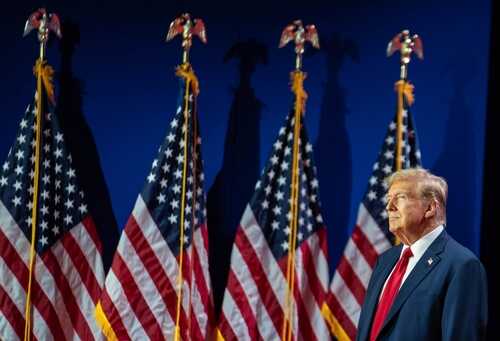
President Trump’s “Peace Through Strength” doctrine has stunned critics and allies alike, securing the release of American hostages and brokering ceasefires—not with troops, but with threats and targeted strikes.
At a Glance
- President Trump’s “Peace Through Strength” foreign policy is being credited with securing the release of 11 American hostages and achieving diplomatic breakthroughs.
- The policy combines decisive military action, such as the recent strikes on Iran, with a push for negotiated settlements.
- In contrast to previous administrations, Trump’s approach emphasizes American interests first and demands reciprocity from allies.
- The administration is pursuing a ceasefire in Ukraine and has brokered a 60-day truce deal between Israel and Hamas.
Power, Not Platitudes
President Trump’s foreign policy revival has delivered where traditional diplomacy failed—through a strategy that blends force with firm negotiation. Rejecting the “forever war” doctrine of his predecessors, Trump’s framework—codified as “principled realism”—prioritizes American lives and measurable results. Nowhere is this shift more evident than in the release of 11 American hostages from hostile regimes, including Russia, Venezuela, and Afghanistan.
🟩 NEW: Trump Pushes for Ceasefire Deal by End of Week, Times of Israel Reports
➤ Mediators in Doha have reportedly been told that U.S. President Donald Trump wants a Gaza ceasefire and hostage deal finalized by the end of this week.
➤ Trump told reporters there’s a “good…— Drop Site (@DropSiteNews) July 8, 2025
The hallmark of this strategy is burden-shifting. Japan has already pledged an unprecedented $1 trillion in investment as part of a new reciprocal approach to alliances. Rather than endlessly underwriting foreign security, the U.S. is now demanding economic and strategic returns.
Watch a report: Trump’s Military Strikes Against Iran Signal “Peace Through Strength” Strategy
Where negotiations reach their limits, Trump’s team has proven willing to strike—with surgical precision. The recent bombing of Iranian nuclear sites was aimed not at regime change, but at removing a clear threat. According to Senate Majority Leader John Thune, the Iranian regime “rejected all diplomatic pathways to peace,” forcing America’s hand. The result? Tehran is signaling openness to renewed dialogue. That is the calculated violence at the heart of Trump’s new diplomacy.
Mediation Without Surrender
In Ukraine, the administration has shifted U.S. involvement from financier to facilitator. Military aid continues—but so do talks, driven by Washington’s insistence that Europe carry more of the load. That repositioning has already reshaped the diplomatic table and introduced new ceasefire conditions under U.S. mediation.
The Middle East, too, is under pressure to de-escalate. While affirming Israel’s right to respond to Hamas, Trump’s team has helped broker a 60-day truce deal—one that includes the release of additional hostages. It’s a blend of carrot and stick diplomacy, made possible only through the projection of credible force.
Where Biden-era diplomacy asked for unity, Trump demands compliance. That includes allies once shielded from consequences. Whether through retaliatory strikes or economic arm-twisting, this White House has made clear: peace is a product of leverage, not goodwill.
In this new era, the battlefield has shifted—but the doctrine remains clear. Trump’s administration isn’t looking for new wars. It’s looking to end them—on America’s terms.