
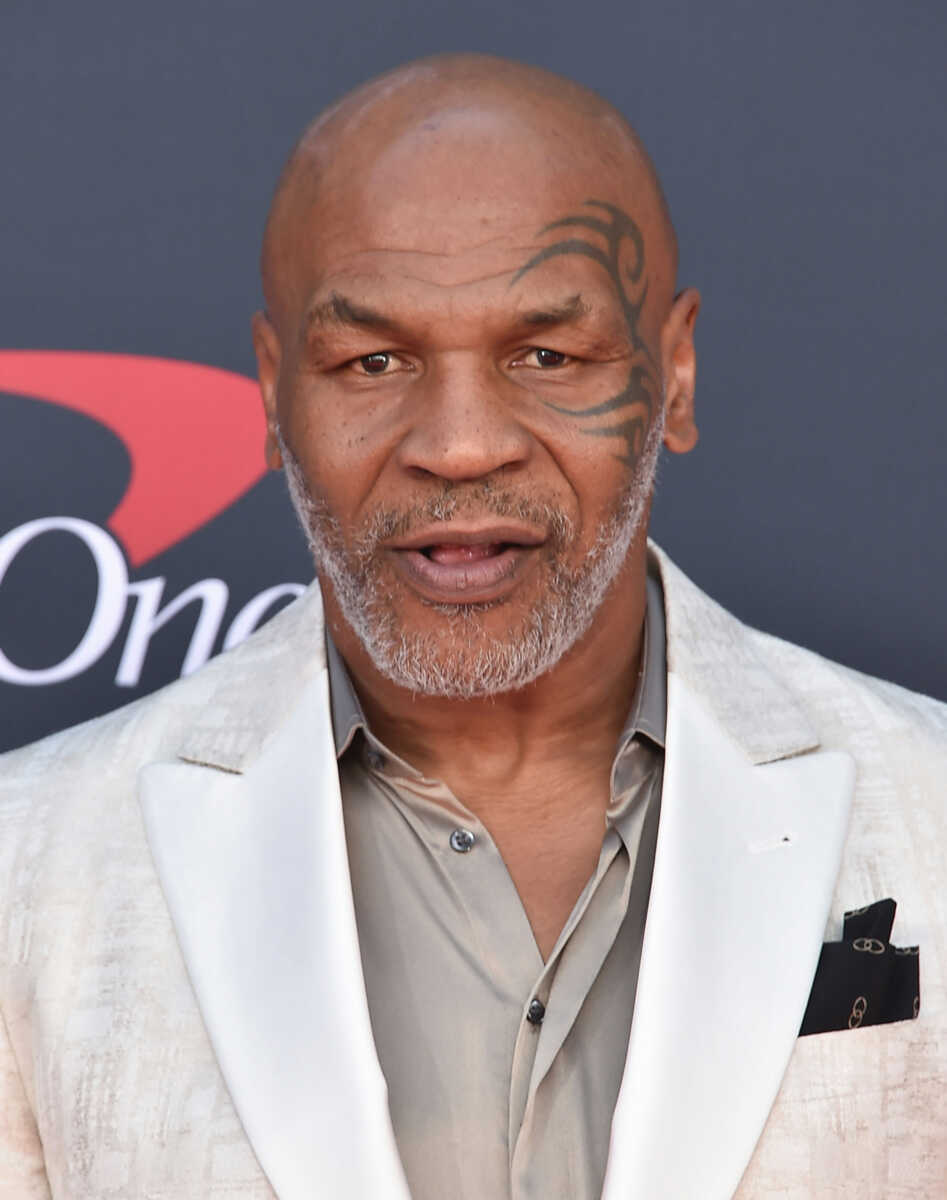
A 30-second Super Bowl ad turned Mike Tyson’s old reputation for brute force into a new kind of punch: a national argument over what Americans should eat and who gets to define “healthy.”
Story Snapshot
- Mike Tyson appeared in a Super Bowl 60 ad on February 9, 2026, sponsored by MAHA Center Inc., aligned with HHS Secretary Robert F. Kennedy Jr.
- Tyson tied the message to personal pain, describing his struggle with obesity and his sister’s death from obesity-related complications.
- The ad promoted the Trump administration’s revised Dietary Guidelines for Americans and pushed viewers to RealFood.gov.
- Food-industry leaders criticized the message as fear-based and unscientific, while nutrition experts questioned both tone and guideline design.
A Super Bowl Slot Used Like a Policy Megaphone
Mike Tyson’s Super Bowl 60 appearance didn’t sell beer, trucks, or insurance. It sold a governing idea. MAHA Center Inc. bought the national moment and pointed it at a federal policy shift: updated dietary guidelines shaped under the Trump administration with RFK Jr. leading Health and Human Services. The ad’s call-to-action sent viewers to RealFood.gov, framing “whole foods” as common-sense patriotism and processed food as the villain.
Tyson mattered because he isn’t a nutrition professor or a senator; he’s a cultural memory. When someone like Tyson talks about weight, aging, regret, and consequence, the message lands differently with a middle-aged audience that has watched friends develop diabetes, seen spouses juggle blood-pressure meds, and felt the slow creep of “I used to be fine.” The spot used that familiarity to translate bureaucratic guidelines into kitchen-table stakes.
Tyson’s Script Change and Why It Hit So Hard
Reports indicated Tyson deviated from the original script to talk more personally. That detail explains much of the ad’s impact. Viewers can smell a polished campaign line from a mile away, but they pause when someone veers into something raw. Tyson brought up his own obesity struggle and the death of his sister from obesity-related complications, using grief as proof that food choices aren’t academic. That kind of testimony can persuade faster than statistics.
The risk is obvious: emotional truth can outrun scientific precision. Public health works best when it trades in repeatable, measurable claims. Celebrity testimony works when it trades in meaning. When those two collide, audiences often pick the story over the study, and politicians know it. Conservative common sense still asks a basic question: Does the message help families make practical decisions, or does it turn food into another culture-war weapon?
The MAHA Pitch: Fewer Ultra-Processed Foods, More “Real Food”
MAHA, shorthand for “Make America Healthy Again,” grew out of RFK Jr.’s broader advocacy and now carries institutional weight with him as HHS secretary. The movement targets processed foods, artificial dyes, and pesticides, and it positions itself as a consumer-right-to-know crusade. That framing resonates because many Americans already suspect their grocery store has become a chemistry lab, and they don’t need a party label to feel that.
Still, “processed” can become a lazy catchall. Frozen vegetables are processed. Yogurt is processed. The smart version of this campaign distinguishes between minimally processed staples and ultra-processed, heavily engineered products that dominate many pantries. If RealFood.gov and the revised guidelines clarify those distinctions in plain language, the policy could help. If they don’t, the message invites confusion, selective enforcement, and performative politics instead of better shopping habits.
The Inverted Food Pyramid and the Science Fight Behind the Scenes
The revised dietary guidelines reportedly use an inverted pyramid that gives prominent placement to meat, cheese, and dairy. That visual choice isn’t a footnote; it’s the argument, compressed into a picture. Critics such as Yale epidemiology professor Susan Mayne challenged the design as inconsistent with underlying nutrition science, especially if it downplays plant-based proteins. Nutrition debates often pretend to be settled, but the public sees elites disagree and assumes the whole thing is guesswork.
A conservative lens values transparency and accountability: show the evidence, explain tradeoffs, and don’t hide policy preferences behind graphics. Americans can handle nuance, especially older readers who have lived through decades of nutrition reversals. What they won’t tolerate is being shamed into compliance while experts argue over whether the foundation is “shaky.” Clear guidance should help people eat better without demanding they join a faction.
Industry Backlash Was Predictable, but Not Meaningless
The Consumer Brands Association pushed back hard, calling the rhetoric fear-based and unscientific and arguing for “enhancing product transparency” instead. That response protects a massive business model, but it also raises a legitimate point: Americans deserve labels they can actually interpret. If MAHA wants to reduce chronic disease, it needs more than a villain. It needs workable standards that don’t spike grocery bills or punish families with limited time and money.
The ad also drew attention because of its production choices, including the involvement of director Brett Ratner, which some observers flagged as ethically fraught given past controversies. That side story isn’t trivial; credibility matters when the messenger asks the public to change habits. When a campaign mixes health guidance with celebrity politics and polarizing creative talent, people start wondering whether the real product is better nutrition or more attention.
The biggest unanswered question sits after the credits: what happens when millions visit RealFood.gov, look at the new pyramid, and realize “eat better” collides with budgets, school lunches, and the realities of modern work? Tyson’s ad succeeded at making obesity feel personal and urgent. The next step requires competence, not slogans—simple rules, honest science, and reforms that don’t treat ordinary Americans like marketing targets.
Sources:
https://www.politico.com/news/2026/02/06/rfk-jr-maha-mike-tyson-super-bowl-ad-00769278
https://musebyclios.com/super-bowl/food-fight-mike-tysons-sb60-spot-stirs-the-pot/
https://www.foxnews.com/video/6388960186112