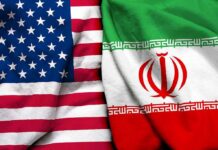

While war rages in the Middle East and oil prices skyrocket past $120 per barrel, the US dollar is doing something that confounds common sense: it’s growing stronger, not weaker, as global chaos unfolds.
Story Snapshot
- US dollar surged 0.3-0.6% against major currencies as oil jumped 30% to near $120 per barrel amid US-Iran-Israel war disrupting 20% of global oil supplies
- America’s energy independence shields it from the crisis while Asia and Europe face severe inflation and economic slowdown
- Investors chose dollars over traditional safe havens like gold and bonds, betting on US insulation from Middle East energy disruptions
- Experts warn prolonged conflict beyond three months could trigger cascading global effects and entrench permanently higher prices
America’s Unexpected Economic Shield
The dollar hit a five-week high on March 9, 2026, reaching 98.53 on the dollar index as the conflict entered its tenth day. Iranian forces targeted vessels in the Strait of Hormuz and attacked regional energy infrastructure, choking off roughly one-fifth of the world’s oil and gas supplies. Yet the greenback climbed against the euro, British pound, Australian dollar, Swiss franc, and Japanese yen. The reason is brutally simple: America’s shale revolution transformed the nation from energy dependent to energy independent, while the rest of the world still relies heavily on Middle Eastern oil.
The Strait of Hormuz Stranglehold
This conflict marks the first full-scale war with a Hormuz blockade since the 1980s Tanker War between Iran and Iraq. Tehran’s hardline leadership appointed Mojtaba Khamenei as the next supreme leader successor while simultaneously weaponizing energy supplies to deter US and Israeli attacks. Qatar’s energy minister warned that Gulf producers might halt exports entirely within weeks, potentially driving oil to $150 per barrel. The 30% price surge from below $100 to nearly $120 happened faster and more dramatically than the 2022 Russia-Ukraine war spike, amplifying the dollar’s safe-haven premium.
Why Investors Abandoned Gold for Greenbacks
Nick Rees from Monex Europe pointed out that the dollar benefits from America’s minimal Middle East risk exposure compared to Europe and Asia. Michael Every at Rabobank warned of cascading effects if the crisis extends beyond a few months. Debapali Bhargava from ING noted that Asia faces the harshest impact due to heavy oil import dependence. RSM US calculated that even a $10 oil price increase adds only 0.2% to US inflation and shaves less than 0.1% from GDP. Meanwhile, currencies in oil-dependent nations like Turkey and Iran crashed as their economies buckled under energy price shocks.
The Economic Calculus Behind Dollar Dominance
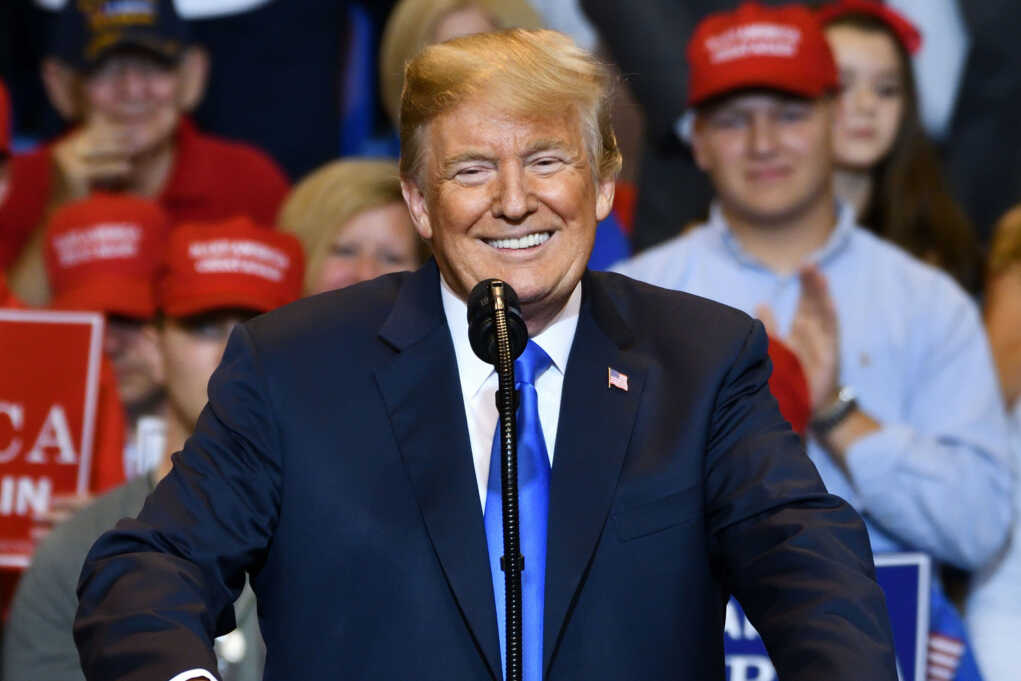
President Trump assured voters before the midterm elections that the war’s impact on American living costs would remain limited, a claim backed by energy data showing US self-sufficiency. US gasoline prices rose to $3.22 per gallon, a notable increase but manageable compared to the crisis facing import-heavy economies. The Federal Reserve maintained a 98% probability of keeping rates steady according to CME data, reflecting confidence that inflation would stay contained. This stability attracted capital flows from investors fleeing markets exposed to prolonged energy disruptions and supply chain chaos.
Three Futures Depending on War Duration
S&P Global analysts outlined three scenarios based on conflict length. If the war ends within three months, markets would see modest volatility followed by quick recovery in 2026, with the dollar maintaining its safe-haven peak before normalizing. A conflict lasting three to twelve months would pause rate cuts, drop auto demand, and sustain dollar strength as Asia and Europe struggle with entrenched inflation. A war exceeding one year would make high energy costs and interest rates the new normal, with the dollar cementing its dominant reserve currency status as other economies sink deeper into crisis.
The G7 and International Energy Agency scrambled to coordinate oil reserve releases to stabilize supplies and temper the rally, causing the dollar to ease slightly during Asian trading on March 9. Yet equities and gold both declined as investors demonstrated clear preference for dollar-denominated assets. Traditional safe havens like Swiss francs and Japanese yen lost ground to the greenback, underscoring how energy independence rewrote the crisis playbook. The automotive sector faces potential demand disruption if fighting extends beyond three months, according to industry forecasts.
The Uncomfortable Truth About Geopolitical Winners
America’s economic insulation from this crisis stems from decisions made years ago to pursue energy independence through hydraulic fracturing and domestic production, policies that faced fierce opposition from environmental activists and foreign competitors. While Iranian hardliners consolidate power and Asian households face crushing fuel costs, the United States reaps unintended economic benefits from its strategic positioning. The dollar’s 0.37% gain against the yen and 0.39% rise against the Swiss franc on a single day demonstrates how quickly capital flows to perceived stability when global uncertainty spikes dramatically.
The contrast between American resilience and European vulnerability reveals the consequences of energy policy choices made over decades. Asia’s import-heavy economies now face severe inflation that could persist for years depending on how long Iran maintains its pressure campaign. What remains uncertain is whether the G7 reserve releases and diplomatic efforts can shorten the conflict timeline or if the world faces months or years of disrupted supply chains, elevated prices, and sustained dollar dominance built on others’ economic pain.
Sources:
Dollar Gains Ground as Oil Approaches $120 on the Middle East War
Economic Implications of War: Automotive Industry
Middle East Conflict: Key S&P 500, WTI, US Dollar, EUR/USD, Gold
Economic Implications of War in Middle East