
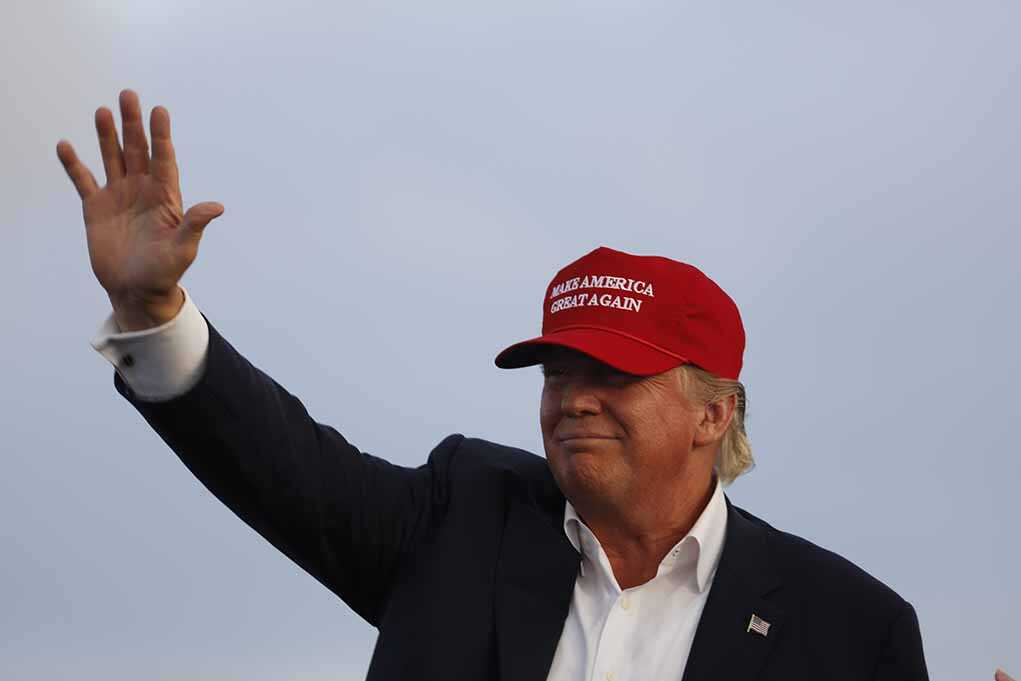
Air Force One thundered low over a Kansas rally as President Trump restored in‑person events to boost conservatives in the campaign’s final sprint.
Story Highlights
- President Trump revived Kansas and Iowa rallies days after brief cancellations.
- Kansas stop supported Senator Roger Marshall; Iowa event backed Ashley Hinson.
- Republicans asked Trump to return, with talk of “about 50,000 people” at each rally.
- Tele-rallies extended his reach across many states alongside physical stops.
Rapid Turnaround Put Rallies Back on the Calendar
Reuters reported that President Trump first canceled late October rallies in Kansas and Iowa, then restored them the next day and set them for Sunday, November 1. The reversal kept in-person energy in the final stretch while keeping phone-based events in place. The change reflected a fast-moving schedule and a tight map. The White House and Republican officials coordinated timing to support key races while keeping the president visible in the heartland.
CNN’s live updates captured Trump’s explanation. He said Republicans in both states asked him to return and framed the events as large “about 50,000 people” rallies. That number reflected an aspirational target, not a verified count. The goal underlined a simple point: late-campaign rallies fire up the base. They put cameras on strong messages about the economy, border security, and parental rights. They also remind voters that Washington elites do not run the Midwest.
Kansas and Iowa Stops Backed Named Candidates
Reuters tied the Kansas rally to Senator Roger Marshall and the Iowa rally to Ashley Hinson, the Republican Senate candidate. That pairing showed a classic closing-week play: send the president to friendly ground to lock in turnout and down-ballot unity. The plan also tracked with earlier visits. Trump had already held an in-person rally in Park City, Kansas, on October 19, and in Sioux City, Iowa, on October 22, building local momentum before the final push.
The schedule blended boots-on-the-ground rallies with phone-based tele-rallies. Party officials said the tele-rallies let Trump reach more voters with little time left before polls closed. Reuters reported that planners eyed outreach across 19 states, giving campaigns flexible coverage while preserving the show-of-force effect from key in-person stops. This mix matters in the final days, when every contact and reminder can move turnout on the margins.
Why Late Rallies Matter for Turnout and Message
Academic work has found that presidential rallies can give a short-lived boost in support and increase turnout intention near the event date. One study of elections from 2008 to 2016 found that Trump rallies, in particular, lifted support in the days that followed, even if effects faded within a week. Another analysis found that visits on a campaign tour raised county-level turnout, with larger effects when the visitor was the sitting president.
Those findings fit what conservatives know by instinct. Seeing Air Force One overhead and hearing President Trump in person sends a clear signal: your values matter, and your vote counts. These rallies press core issues like law and order, border enforcement, energy independence, school choice, and a government that serves families, not bureaucracies. They also counter left-wing media narratives and remind voters who is fighting for the Constitution and for jobs in farm and factory towns.
Scheduling Whiplash, Clear Objective
The back-and-forth over cancellations and restorations created some confusion, but the objective never changed: close strong in the Midwest and bolster allies on the ballot. President Trump’s team kept both tools ready—live rallies for energy and tele-rallies for reach. The Kansas and Iowa returns showed a campaign still willing to adapt fast while keeping focus on turnout and unity. That is how close races are won when time is short and stakes are high.
Sources:
youtube.com, rmb.reuters.com, reuters.com, edition.cnn.com, aljazeera.com, nytimes.com, us.cnn.com, cnn.com