
Justice Sonia Sotomayor said “I don’t know if we should be worried” about birthright citizenship after the Supreme Court affirmed it for children born here to unlawfully or temporarily present parents, signaling a continued fight over the Constitution’s meaning.
Story Snapshot
- The Supreme Court held U.S.-born children of unlawfully or temporarily present parents are citizens at birth.
- The majority relied on the Fourteenth Amendment’s text and longstanding precedent, with narrow exceptions.
- Justice Brett Kavanaugh agreed the order failed under federal law but questioned a constitutional mandate.
- Dissents argued for limits based on parental domicile or allegiance, challenging the majority’s scope.
What The Court Actually Decided In Trump v. Barbara
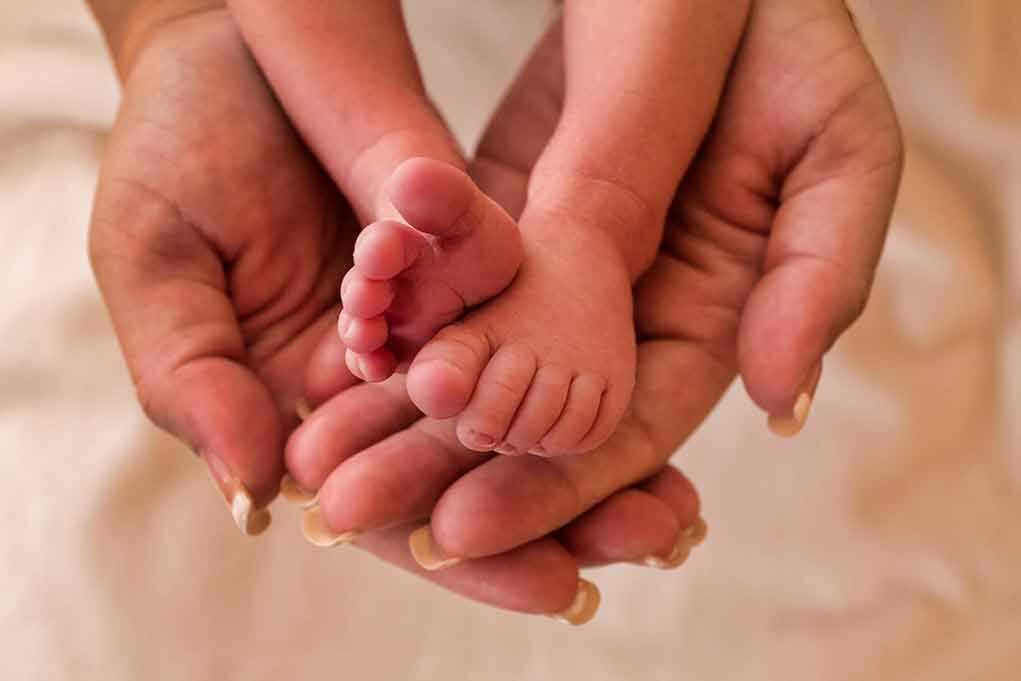
On June 30, 2026, the Supreme Court held that children born in the United States to parents who are unlawfully or temporarily present are citizens at birth. The majority read the Fourteenth Amendment’s Citizenship Clause to cover these births because the children are “subject to the jurisdiction” of the United States, with narrow exceptions for foreign diplomats. The decision follows the logic of United States v. Wong Kim Ark, the 1898 case that recognized territorial birthright citizenship as the general rule.
The Court rejected arguments that parental domicile is a hidden requirement in the text. The majority said the historical record and the best reading of the words do not add a domicile test. The ruling is a published holding of the Court, though page proofs note standard revisions may follow. Those revisions do not change the bottom line result that birth in the United States controls for most cases, short of the known diplomatic exceptions.
Why Justice Sotomayor’s Comment Draws Attention Now
Justice Sonia Sotomayor’s remark, “I don’t know if we should be worried,” lands after a major constitutional ruling that reaffirms citizenship by birth. Her comment underscores the public confusion that follows hard-fought cases. The majority opinion stressed stability and clear rules from the Constitution’s text. Yet the debate remains heated because executive actions and political messaging can still cloud how agencies apply the decision day to day, especially at the edges of the rule.
Conservatives care because unclear rules invite more executive overreach and court fights. The Court’s precedent rests on the phrase “subject to the jurisdiction,” which everyone agrees has exceptions. Children of accredited diplomats are the classic case. Opponents want to stretch that idea to cover children of temporary visitors or unlawfully present parents. The majority said that move has no support in text and practice. That keeps the core rule simple for most families born here.
The Fractures On The Right: Statute Versus Constitution
Justice Brett Kavanaugh agreed the executive order could not stand but said the problem was federal law, not the Constitution. He pointed to the Immigration and Nationality Act, which recognizes birthright citizenship, and said Congress could amend it to create narrow exceptions. His view keeps the door open to legislative change and leaves the constitutional question narrower. That path would move the fight to Congress, where voters can press for clarity and limits.
Other conservative justices dissented on deeper constitutional grounds. Justice Clarence Thomas argued that parental domicile matters and that children of temporary visitors are not within the Clause. Justice Samuel Alito framed the rule in terms of exclusive allegiance at birth. Justice Neil Gorsuch questioned the status of children of temporary visitors. These views seek tighter limits, but they did not carry the Court. The majority’s reading remains the controlling law nationwide.
What This Means For Immigration Policy And The Constitution
The decision anchors birthright citizenship in the Fourteenth Amendment’s text and in historic practice from Wong Kim Ark. That makes it harder for any administration to change the rule by executive order alone. If Congress wants to adjust the scope through statute, Justice Kavanaugh’s approach sketches a route, but such a law would face immediate court review. For now, agencies must treat U.S.-born children, with narrow diplomatic exceptions, as citizens from birth.
For conservative readers, the stakes are simple. Clear law stops bureaucratic drift and activist lawyering. A stable definition of citizenship protects the rule of law and national unity. The Court says the Constitution sets a bright line at birth on American soil, with few exceptions. If Congress believes targeted fixes are needed, it must legislate carefully and be ready to defend them. Until then, families, states, and federal offices should follow the Court’s binding rule.
Sources:
youtube.com, constitution.congress.gov, congress.gov, supremecourt.gov, oyez.org, scotusblog.com, ballotpedia.org, deseret.com, christianitytoday.com, latimes.com, legaltheoryblog.com