

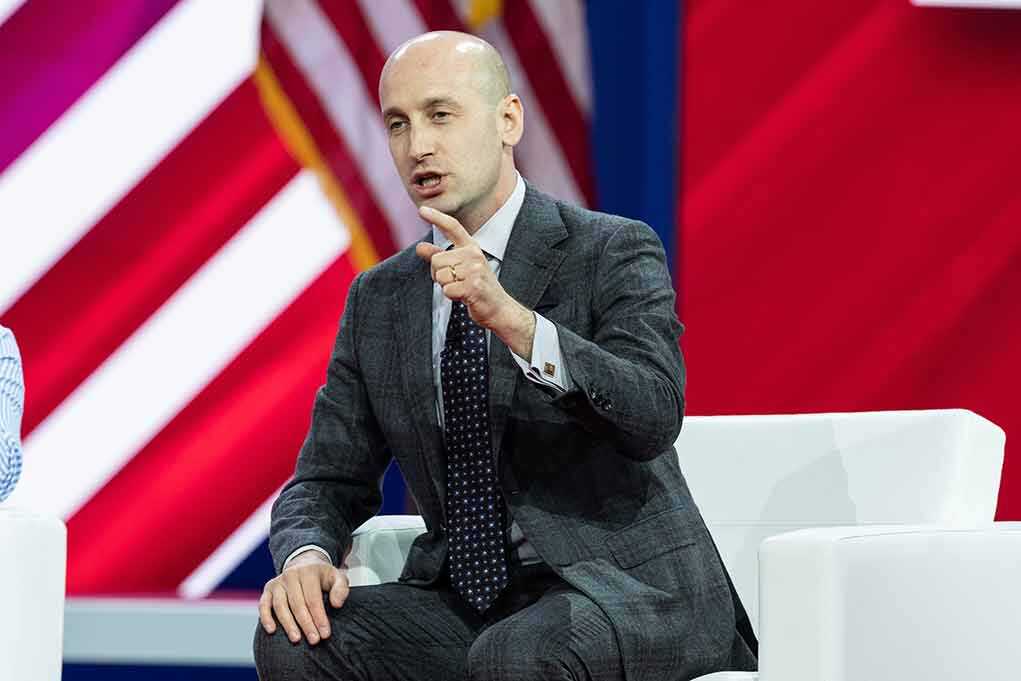
Stephen Miller moved fast to loosen message controls, tighten policymaking, and check lobbyist access across President Trump’s White House.
Story Highlights
- Miller ended a West Wing bottleneck on agency communications, giving Cabinet secretaries more leeway.
- He centralized formal policy decisions through a set White House process with clear lanes.
- He required prior legal approval for policy meetings with registered lobbyists on White House grounds.
- President Trump called Miller a trusted adviser and elevated him to drive these changes.
Miller Shifts Communications Control to Cabinet Secretaries
White House Chief of Staff Stephen Miller reversed a rule that forced agencies to seek West Wing approval for appearances and announcements, according to reporting on his first week. The change lets Cabinet secretaries speak more directly and move faster while keeping a line to Miller and President Trump. Supporters see this as ending needless gatekeeping that slowed results and fed media spin. The move reflects a push to empower departments to explain policy wins clearly and on time.
Greater agency autonomy does not mean a free-for-all. The new approach routes sensitive items to Miller’s office when needed and sets expectations for coordination with the White House press and policy teams. Cabinet leaders can schedule more TV hits, local events, and stakeholder briefings without waiting on multiple political sign-offs. For readers tired of slow-walks and mixed messages, this aims to get information out quickly while keeping final accountability close to the Oval Office.
Policy Decisions Centralized Through a Defined Process
Miller set a “clear and regular policy process” that runs through the deputy chief of staff for policy and the national security adviser, with no overlapping portfolios, according to first-week guidance cited in reports. This structure is meant to stop turf wars, cut duplication, and deliver crisp choices for President Trump. Central routing can help defend conservative goals, reduce bureaucratic drift, and push agencies to execute plans on budget and on schedule.
The approach mirrors long-running trends in modern presidencies, where policy design often moves closer to the president while agencies carry out the work. The aim is speed and unity: one policy pipeline, clear ownership, and faster decisions. For readers who have seen past White Houses bog down in process, this signals a disciplined chain of command. It is designed to keep campaign promises intact and resist pressure from career officials who may favor the old status quo.
New Guardrails on Lobbyist Meetings Inside the Complex
Miller required White House personnel to obtain approval from the White House Counsel’s Office before any policy-related meeting with registered lobbyists on the White House complex, according to reporting on an internal memo. This rule targets influence peddling on government property and sets a bright line for staff conduct. It supports a culture where policy choices flow from elected leadership and stated priorities, not backroom carve-outs for special interests.
Some reporting suggested that lobbyists might still find other channels outside the complex. Even so, the on-campus rule raises the bar and documents who seeks access and why. That helps protect staff from entanglements and adds accountability. For conservatives who want cleaner lines between public service and paid influence, requiring legal signoff inside the people’s house is a decent step toward higher standards and transparency, even as broader enforcement remains a continuing task.
Trump’s Vote of Confidence and What It Signals
President Trump named Miller his chief of staff and called him “one of my most trusted advisors,” underscoring that these changes have top-cover from the Oval Office. The appointment shows Trump wants a results-first team that speaks plainly, trims red tape, and keeps focus on the mission. When the president backs his chief of staff, agencies listen. That backing is key to align communications, policy, and ethics rules across the government without months of internal fights.
Major outlets also reported the leadership change and its direction of travel. Coverage highlighted Miller’s influence on immigration and other core issues, while noting the shake-up following the elections. The through-line is simple: Trump installed a manager he trusts to sharpen execution, speed decisions, and keep lobbyist pressure at bay. That action squares with the conservative goal of limited, accountable government that serves citizens rather than Washington insiders.
Balancing Speed, Control, and Accountability
The first-week package mixes decentralization for public messaging with central control for policymaking. Agencies get more freedom to talk, while the White House sets the policy lanes and access rules. That balance aims to deliver faster wins without losing guardrails. For families facing high costs, crime concerns, and border chaos, these operational shifts matter only if they drive real results: clearer plans, quicker fixes, fewer delays, and a government that answers to Main Street, not K Street.
One practical limit remains: the internal memos have been described in press reports, not posted by the White House. Even so, the president’s public endorsement of Miller and multiple outlets’ detailed reporting set a clear picture of intent. The measure of success now is performance. If agencies communicate fast and policy moves cleanly through one pipeline, the country should see steadier execution and stronger defense of constitutional and conservative priorities across the board.
Sources:
wsj.com, whitehouse.gov, cnn.com, bbc.com