

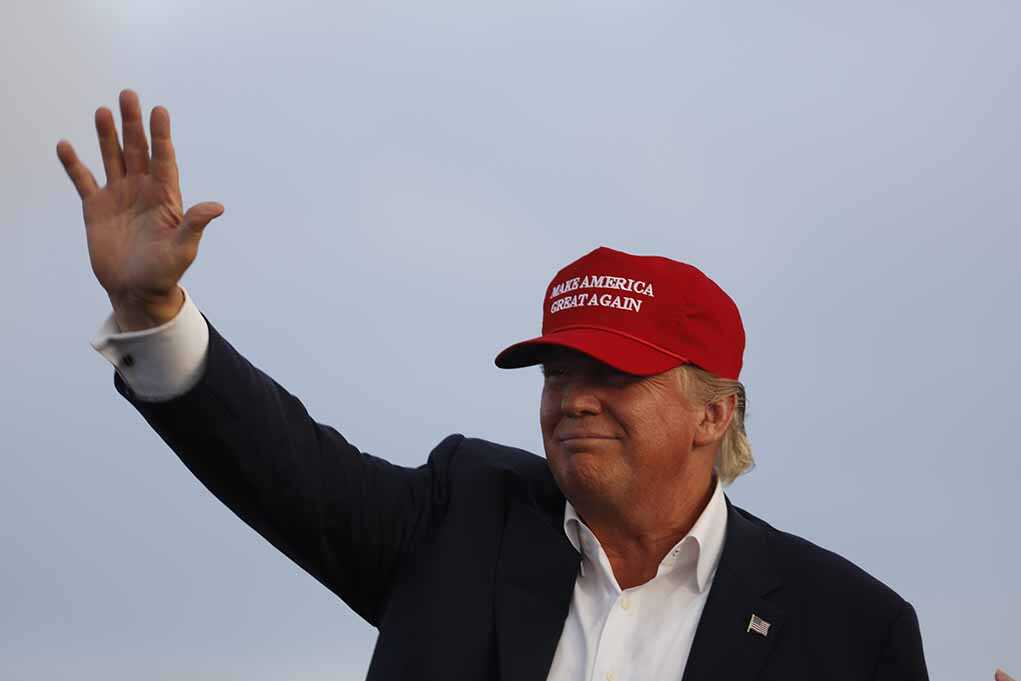
As reports say Prime Minister Benjamin Netanyahu is urging new strikes on Iran, President Trump is holding the line against rushing America back into war.
Story Highlights
- Reports say Netanyahu is pressing President Trump to resume strikes on Iran.
- Mossad director Roman Gofman reportedly traveled to Washington for Iran talks.
- President Trump publicly said there is no reason to escalate now.
- Sources describe the push through unnamed accounts, not official documents.
Netanyahu’s Reported Push And The Mossad Visit
India Today and Anadolu Agency both reported that Prime Minister Netanyahu has urged President Trump to restart military strikes on Iran, with one account saying he called “every day” to press the case. Around the same time, Mossad director Roman Gofman, described as close to Netanyahu, reportedly went to Washington and met, or planned to meet, Central Intelligence Agency Director John Ratcliffe to discuss Iran. These reports cite unnamed sources and do not include official readouts or documents.
Media summaries of Axios reporting said Netanyahu’s stated goal was to stop Tehran from rebuilding key strategic capabilities after earlier strikes. Israel National News reported that while President Trump did not greenlight new operations right away, he kept military options on the table if needed. The picture is of intense Israeli concern about Iran’s recovery, paired with a careful American posture that weighs costs, timing, and constitutional limits before any use of force.
Trump’s Stance: Pressure, Talks, And A Red Line
President Trump said he was not looking to escalate the war with Iran and saw no reason to do so at this time, stressing that renewed large-scale combat is “highly unlikely” if talks and pressure keep working. He also said Iran wants a settlement soon and that a deal could happen, while noting the United States does not need a deal to protect its interests. He defended past strikes and restated the red line: Iran must never get a nuclear weapon.
For conservative readers, this mix makes sense. Keep maximum pressure. Use diplomacy when it advances peace and lowers oil prices. Hold fire unless threats cross clear lines. That approach protects American troops, shields family budgets from oil shocks, and respects the Constitution’s demand for clear authority before war. It also warns Tehran that the United States retains the strength and will to act if necessary, without rushing into open-ended conflict.
What We Know, What We Do Not
The current record relies on media accounts with unnamed sources. There is no released Israeli cabinet decision, no public U.S. meeting readout, and no declassified intelligence estimate that lays out targets, timelines, or a formal request for renewed war. Reports differ on the intensity of Israeli outreach, from daily calls to a less coordinated push, which leaves some facts unclear. These limits do not erase the core point: Netanyahu is pushing, and Trump is resisting a rush to escalate.
That gap matters. Americans deserve transparency before men and women in uniform face harm. If there is a new plan, the administration can brief Congress, show the legal case, and define achievable goals. If there is not, the White House can keep tightening sanctions, maritime patrols, and cyber actions while talks continue. Either way, the policy should serve American security first, not the timetable of any foreign leader.
Why Trump’s Caution Aligns With Conservative Priorities
Conservatives want peace through strength, not endless wars. Restraint saves taxpayer dollars and keeps fuel prices stable for working families. It denies Iran a propaganda win and avoids giving globalists another excuse for mission creep. Strong borders, a strong dollar, and a strong military at home all depend on avoiding avoidable wars abroad. Trump’s stance keeps pressure on the regime while guarding our troops and our wallets, and it preserves Congress’s role on war powers.
The bottom line today is steady and firm. Reports say Israel’s leader wants faster action. The United States, under President Trump, is not taking the bait. If Iran breaks faith or nears a bomb, the option to strike remains. Until then, the smart path is leverage, inspections, and targeted pressure that keeps America safe, prosperous, and free. That balance reflects strength with prudence, which is exactly what voters asked for in 2024.
Sources:
indiatoday.in, israelnationalnews.com, unbiasedheadlines.com, yahoo.com, aa.com.tr, justsecurity.org