

The United States will mediate Ukraine-Russia talks in Abu Dhabi on November 10–11, focusing on de-escalation, humanitarian steps, and post-war security arrangements.
Story Highlights
- U.S.-mediated talks between Ukraine and Russia are set for November 10–11 in Abu Dhabi.
- Agenda includes de-escalation, humanitarian efforts, and post-war security arrangements.
- U.S. envoys Steve Witkoff and Jared Kushner are expected to represent America.
- Consultations with key European allies on security guarantees will occur in Brussels.
U.S. Sets Working-Level Talks With Defined Dates and Agenda
U.S. presidential envoy Steve Witkoff announced that the United States will bring Ukraine and Russia together for talks in Abu Dhabi on November 10–11. He said the agenda covers post-war security arrangements, de-escalation, humanitarian efforts, and next steps toward peace. Reuters reported that these are U.S.-mediated, working-level talks, and identified the dates and venue. A senior U.S. official said Witkoff and Jared Kushner are expected to represent the United States at the table.
Witkoff framed the effort as a step toward a comprehensive and durable peace, while keeping the focus on immediate relief and practical security topics. Reports describe a trilateral format with Ukrainian and Russian delegations present. The announcement presents diplomatic contact, not a final settlement, and it defines concrete areas to explore rather than a single, sweeping deal. That measured approach mirrors how most peace processes move forward: in linked tracks that build over time.
Allied Coordination on Security Guarantees and Regional Architecture
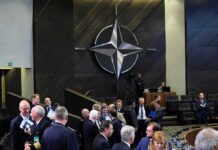
Before and around the Abu Dhabi session, the United States plans consultations with European partners on long-term security needs for Ukraine. Witkoff said U.S. negotiators will meet representatives from France, Germany, the United Kingdom, and North Atlantic Treaty Organization allies in Brussels to discuss security guarantees, Europe’s post-war security architecture, and reconstruction opportunities. These talks aim to align Western positions so battlefield de-escalation connects to stable security terms that deter future aggression.
This allied track matters for U.S. interests. Clear commitments from key European capitals can help share burdens, reduce long wars, and support American taxpayers over time. Coordinated guarantees can also deter renewed attacks and protect energy routes that drive fuel costs at home. By tying humanitarian steps and de-escalation to firmer security planning, the process tries to match near-term relief with long-term stability that serves both U.S. and European security.
What the Talks Are—and What They Are Not—At This Stage
These are working-level negotiations, not a ceremonial summit. The public reporting does not identify the Russian or Ukrainian delegates by name, and the mandate of each delegation has not been detailed. The United States has outlined broad topics, but no operational definition of “post-war security arrangements” has been released. The stated goals are specific enough to start talks, yet broad enough to avoid boxing negotiators in too early.
Published reports emphasize that the dates and topics are set, while results will depend on what delegations are authorized to trade. The timeline points to serious engagement next week, not a completed deal today. That pacing reflects hard lessons from past ceasefires and frameworks. Durable agreements usually follow progress on several tracks at once, including military restraint, humanitarian access, and credible security guarantees from outside states.
Why This Matters for America’s Security and Pocketbook
Stable peace in Europe helps American families by curbing energy shocks and limiting costly wars. Orderly de-escalation can lower risks to global supply chains that raise prices at the pump and the grocery store. A negotiated framework that Europe helps carry can reduce pressure on U.S. budgets while keeping our military strong for core missions. The Abu Dhabi talks aim to turn contact into practical steps that protect civilians and lower the chance of wider conflict.
For conservatives, the test is simple: support a peace path that defends U.S. interests, avoids endless spending, and respects national sovereignty. The current plan puts American envoys in the mediator’s seat, brings our closest allies into the security design, and seeks humanitarian relief alongside real deterrence. If talks produce concrete de-escalation and allied-backed guarantees, the result can secure our borders, our economy, and our values without writing a blank check abroad.
Sources:
en.interfax.com.ua, reuters.com, thehill.com, unn.ua