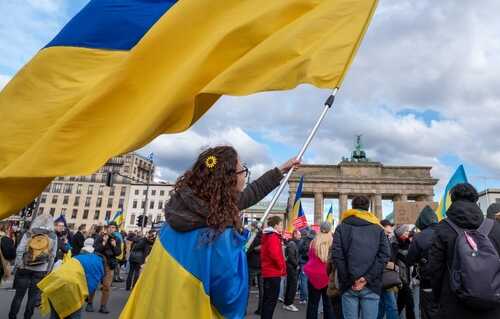
As of 2025, over 1.25 million people who fled the conflict in Ukraine are residing in Germany. Recent surveys indicate that a significant majority of these Ukrainian refugees plan to settle permanently in the country. This trend is initiating political discussions regarding the nation’s integration efforts and long-term migration policy, as Germany manages the associated challenges and opportunities.
Story Highlights
- Over 1.25 million Ukrainian refugees currently reside in Germany, with a majority intending to settle permanently.
- Germany has implemented rapid integration measures and granted broad legal protections for the newcomers.
- The situation has prompted political debates over migration policy, resource allocation, and social services.
- Germany’s approach to the current crisis utilizes lessons learned from the 2015 migrant crisis.
- Integration efforts, including language and job training, are crucial for refugees’ long-term employment and settlement.
Ukrainian Refugees’ Permanent Settlement Plans
Surveys indicate that a significant portion of Ukrainian refugees in Germany intend to remain permanently. This desire is particularly evident among those who arrived after the initial wave of the Russian invasion, with 69% of later arrivals expressing plans for long-term settlement. This trend is supported by Germany’s temporary protection status, open-border policy, and humanitarian aid, which together facilitate integration.
The ongoing conflict in Ukraine and the uncertain timeline for resolution are cited as factors fueling these intentions. Ukrainian nationals have become the largest group participating in government-funded integration courses, leading to improved language proficiency and employment rates compared to previous groups of refugees.
So viele Ukrainer wollen „für immer“ in Deutschland bleiben https://t.co/60HZfv6fcD pic.twitter.com/DxFqFF0F1t
— WELT (@welt) November 4, 2025
Integration Challenges and Context
Germany’s response to the Ukrainian refugee influx is based on experience gained during the 2015 migrant crisis. The majority of refugees are women and children, placing a focus on family reunification, housing, and educational needs.
Despite established efforts, challenges have been reported. The rapid influx has increased demand for housing, education, and social services, which has placed pressure on existing municipal infrastructure. Conversely, the integration of refugees into the labor market offers economic benefits, particularly in sectors experiencing workforce shortages.
Political and Social Context
The permanent settlement intentions of Ukrainian refugees have contributed to ongoing political discussions regarding migration policy and the allocation of public resources. As the German government addresses these needs, policy efforts focus on balancing humanitarian obligations with the requirements for social cohesion and labor market stability. Continued support for integration courses and the official recognition of foreign qualifications are noted as key areas of importance. The ultimate impact on Germany and the refugees’ decisions to remain or return home remains linked to future developments in Ukraine.
Watch the report: Most Ukrainian refugees want to stay in Germany permanently
Sources:
Most Ukrainians Plan to Live in Germany ‘Permanently’, Study Finds
German Federal Ministry of the Interior and Community
Wikipedia: Ukrainian Refugee Crisis