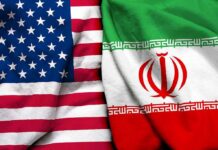

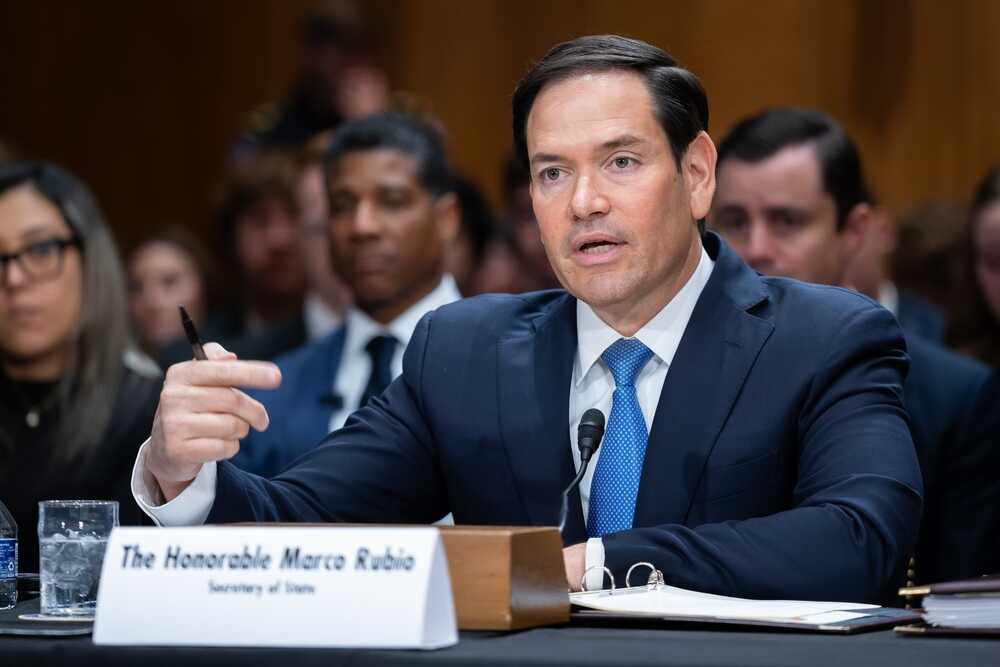
Iran’s push for a toll in the Strait of Hormuz just hit a firm American wall—and that roadblock may decide whether any “peace deal” is even possible.
Story Highlights
- Secretary of State Marco Rubio says progress is real but limited, with Iran’s leadership “fractured.” [1]
- Rubio rejects any tolling scheme in the Strait of Hormuz as unacceptable, a key unresolved sticking point. [1]
- State Department remarks emphasize leverage grows on Iran the longer conflict pressure remains. [2]
- Rubio’s red lines include no Iranian nuclear weapon and surrender of enriched uranium stockpiles. [1]
Rubio Signals Progress, Warns Iran’s System Is Fractured
Secretary of State Marco Rubio said talks with Iran have produced “some progress” and even “significant progress,” while stressing negotiations are far from complete and Tehran’s power structure is “a little fractured.” Rubio’s framing pushes back on media hype about an imminent breakthrough and reminds Americans that fractured regimes struggle to deliver verifiable commitments. He linked the President’s position to getting a “good deal,” not any deal, setting expectations that substance, not headlines, will decide outcomes. [1]
Rubio further underscored that diplomacy remains the preferred path, but not the only path if Iran stalls or backtracks. State Department remarks put the administration’s approach in clear terms: peace is the preference, but leverage matters, and it is growing against Tehran as conflict pressures mount. That calibrated message keeps options open while signaling to Iran that delay and deception will only weaken its hand, not earn concessions. [2]
Hormuz Tolls: The Deal-Breaker Hiding in Plain Sight
Rubio drew a bright red line on maritime freedom, rejecting Iran’s bid to impose a tolling system in the Strait of Hormuz. He stated plainly that “no one in the world is in favor of a tolling system,” warning it would make any diplomatic arrangement “unfeasible” if pursued. That position affirms basic navigation rights critical to global commerce, energy markets, and American pocketbooks, and it denies Tehran a new revenue lever to tax the world’s sea lanes under the threat of closure. [1]
For conservatives worried about energy costs and global choke points, the clarity matters. A toll would legitimize Tehran’s coercion and invite future extortion. Instead, the administration is anchoring talks on keeping the strait open without fees or Iranian control. While some outlets trumpet momentum, Rubio’s line shows a concrete, unresolved dispute that must be settled on terms that protect free navigation and deter aggression—not reward it. Progress will be measured by whether tolls are off the table in an enforceable way. [1]
Nuclear Bottom Lines: No Weapon, Uranium Handovers, Real Compliance
Rubio reiterated the nonnegotiable core: Iran can never obtain a nuclear weapon. He tied that red line to hard requirements, including the surrender of enriched and highly enriched uranium—evidence the talks target real capabilities, not symbolic gestures. The administration’s preferred path reportedly depends on Iran’s full acceptance and compliance first, followed by detailed negotiations, an approach designed to avoid front-loading rewards without verified actions. That sequence guards against the “promise now, delay later” routine. [1]
State Department remarks also align with a leverage-first posture. Every day Iran faces sustained pressure, its bargaining position weakens, raising the cost of stalling and the incentive to accept verifiable limits. Rubio’s warning that the crisis may be resolved “one way or the other” makes clear diplomacy must produce enforceable results. If Tehran refuses verifications and uranium removal, Americans should not expect sanctions relief or maritime concessions that enrich the regime and endanger allies. [2][1]
Managing Expectations: Real Progress Without Rose-Colored Glasses
Rubio acknowledged “significant progress” in recent days, including work on an outline tied to open transit through Hormuz and concrete nuclear issues, but he resisted declaring victory. Without a public draft text, inspection terms, or snapback provisions, overpromising would mislead the country. The record available to the public remains press briefings and clips, not a signed framework, which limits certainty about scope and enforcement. Caution now protects American leverage and prevents a bad deal dressed up as peace. [1][2]
BREAKING NEWS: US and Iran Closing in on Pakistan-Mediated Deal to End War
US Secretary of State Marco Rubio said a US–Iran deal could be reached within hours, with negotiations reportedly nearing conclusion through Pakistan-mediated diplomacy. pic.twitter.com/ZD461WTSIn
— WE News English (@WENewsEnglish) May 24, 2026
For readers who endured past “deals” that padded Tehran’s coffers and ignored missiles and militias, the Trump administration’s stance reads differently: no tolls, no nuclear weapon, and no rewards before compliance. That is how you defend American strength, preserve the Constitution’s mandate to provide for the common defense, and keep faith with families paying high energy bills. Progress is welcome—but only a verifiable, enforceable outcome will deserve the name “deal.” [1][2]
Sources:
[1] YouTube – Rubio says progress made in Iran talks but warns Trump …
[2] Web – Secretary of State Marco Rubio Remarks to Press