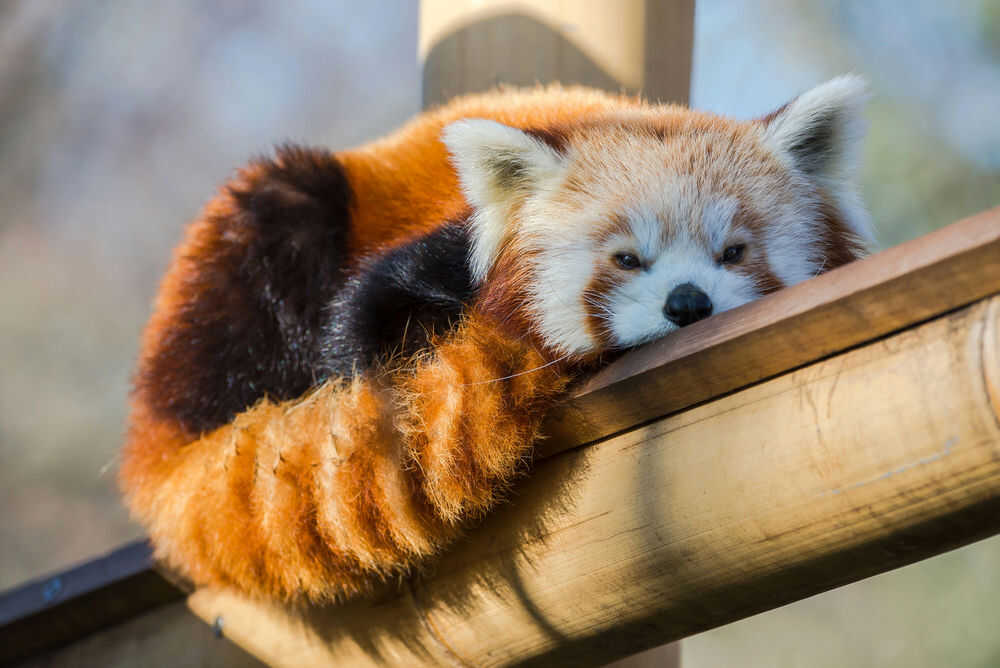
China’s latest “cute animal diplomacy” move — sending red pandas to Taipei — may look cuddly, but it fits a long pattern of Beijing using zoos to soften hard politics and test Western resolve over Taiwan.
Story Snapshot
- Two red pandas are arriving at Taipei Zoo from Shanghai in the first cross-Strait zoo exchange in more than a decade.
- The deal is framed as a routine conservation swap under a 2024 city memorandum, but echoes decades of Chinese “panda diplomacy.”
- Taipei will send other animals in return, underscoring that this is a negotiated transaction, not a simple “gift.”
- The episode shows how Beijing blends soft power with pressure on Taiwan while Washington watches broader China strategy.
Red pandas land in Taipei under a politically charged “city exchange”
Taipei officials say two red pandas from Shanghai Zoo are scheduled to arrive at Taipei Zoo on a Saturday flight, under a memorandum signed at the 2024 Shanghai-Taipei City Forum.[1][3][4] The memorandum of understanding was presented as a municipal wildlife exchange, not a central government treaty, allowing both sides to emphasize professional cooperation while sidestepping direct sovereignty language.[1][3] Taipei’s mayor described the transfer as a concrete outcome of city-to-city interaction, aiming to reassure a wary public that the exchange is technical, not capitulation.[3][4]
Reporting from Taiwan and mainland outlets confirms this is the first such cross-Strait zoo transfer in more than ten years, which explains why local media and politicians immediately treated it as more than a simple animal shipment.[4][6] Taipei Zoo will host the red pandas after they complete a roughly one-month quarantine period before meeting visitors, a standard biosecurity step that also gives the city time to manage the political narrative around their arrival.[1][3] The timing and fanfare underscore how even routine husbandry is politicized when it crosses the Taiwan Strait.[3][4]
Inside the memorandum: conservation swap or influence play?
According to local coverage, the original 2024 memorandum had Taipei trading African, or black‑footed, penguins in return for the red pandas, explicitly describing the agreement as an exchange program for wildlife conservation and breeding cooperation.[1][3] Later statements from Taipei’s deputy mayor clarified that the city would instead send white‑handed gibbons, a Southeast Asian primate, because Shanghai’s penguin breeding program was already progressing well.[1] Taipei officials emphasized that a revised memorandum, including the species change, went through central government approval, signaling that national authorities in Taiwan are at least formally vetting what might otherwise look like a city-level political opening.[1][4]
Chinese state-linked outlets highlight conservation language, describing a broader program for red panda species management and collaboration on finding suitable mates based on bloodline, age, and health.[2] That framing mirrors long-standing animal-exchange standards and gives Beijing a talking point that this is professional, not political.[2][3] However, Taiwanese coverage notes that both Taipei City Government and Shanghai Municipal Government promoted the agreement at a high-profile forum, the kind of stage Beijing often uses to assert that Taiwan is just another local partner, not a separate country.[3][4] The result is a deal that is technically about animals, but symbolically about status.
From giant pandas to red pandas: the history of “panda diplomacy” over Taiwan
China has used animal diplomacy for decades, historically with giant pandas as the star attraction.[7] In 2008, Beijing sent two giant pandas, Tuan Tuan and Yuan Yuan, to Taipei Zoo as part of a highly publicized “gift,” widely interpreted as a gesture to promote cross-Strait warmth after a friendlier government took power in Taiwan.[5] The animals arrived on an EVA Air flight and quickly became a popular draw, even as critics warned that their very names, combining into “reunion,” carried an unmistakable political message about unification.[5]
Red pandas followed a similar path a few years later. In 2013, Chinese reports described three red pandas being sent from Fujian Province to Taipei Zoo to enhance cross-Strait cooperation and public understanding of wildlife protection.[6] Taiwanese coverage of one individual’s debut at the zoo emphasized husbandry and visitor interest, while still noting that the animals were “obtained from China,” a reminder of the geopolitical backdrop. Today’s Shanghai-to-Taipei exchange sits squarely in that tradition: local zoo professionals gain new animals and genetic lines, but the Chinese Communist Party gains another soft-power storyline that portrays cross-Strait ties as normal and mutually beneficial.[2][7]
Why this matters to American conservatives watching China and Taiwan
For a conservative American audience, the lesson is not about whether red pandas are cute, but about how Beijing uses every possible lever, including zoos, to shape narratives around Taiwan and test Western vigilance.[7] China’s broader panda diplomacy model relies on long-term animal loans and high-profile symbolism to cultivate goodwill, even as the regime escalates military pressure, economic coercion, and information campaigns elsewhere.[7] These incremental gestures aim to normalize the idea that Taiwan is already locked into China’s orbit, which matters for future debates over American security commitments and defense spending.
Taipei Zoo welcomes red pandas from China, first in over a decade https://t.co/IFhsaZqY2Q
— Nikkei Asia (@NikkeiAsia) June 6, 2026
At the same time, Taiwan’s insistence on central government review of the memorandum and on a reciprocal exchange, rather than accepting a one-way “gift,” reflects a desire to maintain dignity and avoid being framed as a subordinate territory.[1][4] That resistance aligns with core conservative values of national sovereignty and skepticism toward authoritarian influence. While the Biden-era foreign policy establishment often downplayed such soft-power maneuvers, the current Trump administration must weigh them as part of a broader China strategy that prioritizes peace through strength, energy independence, secure supply chains, and unequivocal support for free, self-governing partners under pressure.
Sources:
[1] YouTube – Red pandas arrive in Taipei from China in first cross-Strait zoo …
[2] Web – Red panda diplomacy offers glimmer of hope even as China-Taiwan …
[3] Web – Shanghai, Taipei zoos to jointly seek mates for red pandas – Ecns.cn
[4] Web – Red pandas to arrive at Taipei Zoo on Saturday – Taiwan News
[5] Web – Tuan Tuan and Yuan Yuan – Wikipedia
[6] YouTube – Shanghai’s gift of red pandas to the Taipei Zoo kicks off political …
[7] Web – Red pandas prepare for move to Taipei zoo[1]|chinadaily.com.cn