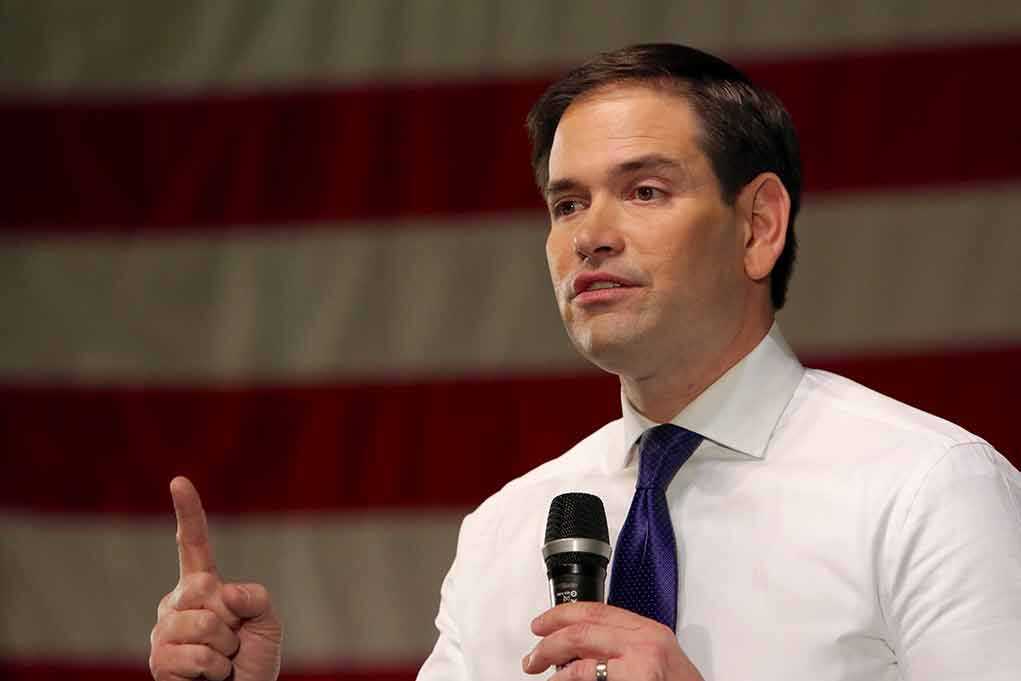
America’s top diplomat says the Trump team is ready to help end Ukraine’s “senseless war” — but warns there will be no quick, clean deal and that hard concessions are coming from all sides.
Story Snapshot
- Marco Rubio says the Trump administration is poised to help end Ukraine’s “senseless war,” but only through negotiation, not battlefield victory.
- Rubio stresses there is “no military solution” and that both Russia and Ukraine will have to make concessions for a lasting peace.
- The United States under Trump aims to play a “constructive role” in talks, while keeping this conflict “not our war” and warning it may move on if diplomacy stalls.
- Rubio denies claims that Washington is forcing Ukraine to give up the Donbas region, calling that accusation a “lie.”
Rubio: End a ‘Senseless War’ Through Tough Negotiations
U.S. Secretary of State Marco Rubio is putting clear words on the table: the war in Ukraine will end with a negotiated settlement, not a sweeping military victory by either side. He has repeated that “there’s no military solution to this war” and that the only path to peace is to “negotiate out of it.” For many conservatives tired of endless foreign conflicts and runaway spending, this message hits home. Rubio is saying it is time to grind toward a deal, not an open-ended crusade.
Rubio’s choice of words matters. He has called Ukraine’s conflict a “senseless war” that has devastated lives on both sides and drained resources across Europe and the United States. He argues that Moscow and Kyiv now have strong reasons to seek an end, because both have paid a heavy price with blood and treasure. For Trump supporters who remember years of Washington promising quick fixes overseas, Rubio’s warning of “no quick path to a deal” is a sober shift away from fantasy and toward hard reality.
Trump’s Role: Constructive Pressure, But ‘Not Our War’
Rubio says President Donald Trump wants the war ended “as soon as possible” and expects the United States to play a “constructive role” in bringing about peace. At the same time, Rubio has reminded Americans that this is “not our war,” stressing that daily life in the United States will not be “fundamentally altered” by what happens on the front lines in eastern Europe. That balance reflects core conservative concerns: defend U.S. interests, avoid globalist mission creep, and stop writing blank checks for someone else’s conflict.
The Trump team’s approach centers on using American leverage to steer both sides toward a deal, not to dictate terms from Washington. Rubio explains that U.S. sanctions on Russia, and the possibility of easing them, are part of that leverage, but he frames them as tools to bring Moscow to the table, not rewards handed out for free. He has told lawmakers that concessions will be needed from Russia, Ukraine, and the United States alike, making clear that Trump’s team is willing to put options on the table but expects others to shoulder their share of the burden too.
Ceasefire, Concessions, and Red Lines for Ukraine
Rubio has already announced that the United States helped broker an offer for a ceasefire, which Ukraine accepted, tied to “immediate negotiations” to seek an enduring peace that protects its security and future as a nation. He said bluntly that “the offer is to stop the shooting,” because talks cannot move forward while artillery is still firing. For many readers, that sounds like common sense: pause the fighting, then pressure all sides to sit down and hash out terms that stop more families from losing loved ones.
US Secretary of State Marco Rubio:
“We are ready to help end the senseless war in Ukraine, but there is no quick deal. New ideas and sustained effort will be required.”
Diplomacy continues amid global tensions.#MarcoRubio #Ukraine pic.twitter.com/9kJFSSc7GY
— Nihon News Blitz (@nihonnewsblitz) July 23, 2026
Yet Rubio is also drawing firm lines against claims that Washington is selling out Ukraine. When President Volodymyr Zelenskyy suggested the Trump administration was demanding that Kyiv hand over the Donbas region to Russia in exchange for security guarantees, Rubio answered, “That’s a lie,” and said no such condition had been put forward. Other Ukrainian officials still say U.S. pressure on Russia is crucial to end the war, but Rubio insists America is not forcing territorial surrender, only pushing for a deal “both Russia and Ukraine can agree to.”
Impatience With Endless Diplomacy and Globalist Wars
Rubio has warned that the Trump administration will not chase a mirage forever. After months of work with European and Ukrainian leaders, he told reporters in Paris that the United States would decide “within days” whether ending the war in the near term is “doable.” If not, he said the administration may simply “move on” from trying to secure a peace deal. That kind of deadline speaks to many conservatives’ frustration with permanent negotiations that never end and foreign-policy elites who treat every war as a forever project with no accountability.
At the same time, Rubio’s comments reflect a real risk: if Russia and Ukraine refuse to make meaningful concessions, this war could grind on with or without American diplomatic help. Rubio has told Congress that “prospects don’t look great” because Russia in particular has been unwilling to give ground needed for peace. For Trump’s base, this raises a serious question. If the United States cannot force a solution, and if the conflict is “not our war,” how long should Washington keep sending weapons and billions of dollars abroad while families at home face inflation, high energy costs, and a federal government already stretched thin?
Sources:
youtube.com, state.gov, themoscowtimes.com, cbsnews.com, aljazeera.com, nypost.com, theguardian.com, reuters.com, facebook.com, abcnews.com