A European-led “Coalition of the Willing” is quietly planning troops, money, and long-term security promises for Ukraine, while America’s role is pushed into the background.
Story Snapshot
- More than 25 leaders meet in Paris to shape long-term security guarantees for Ukraine.
- French and British leadership drive a new multinational force plan, with United States backing but not control.
- Talks focus on ceasefire monitoring, troop deployments, and defense industry mobilization across Europe.
- Confusing media coverage and weak transparency risk hiding costs, commitments, and who really calls the shots.
Paris summit pushes a new security plan for Ukraine
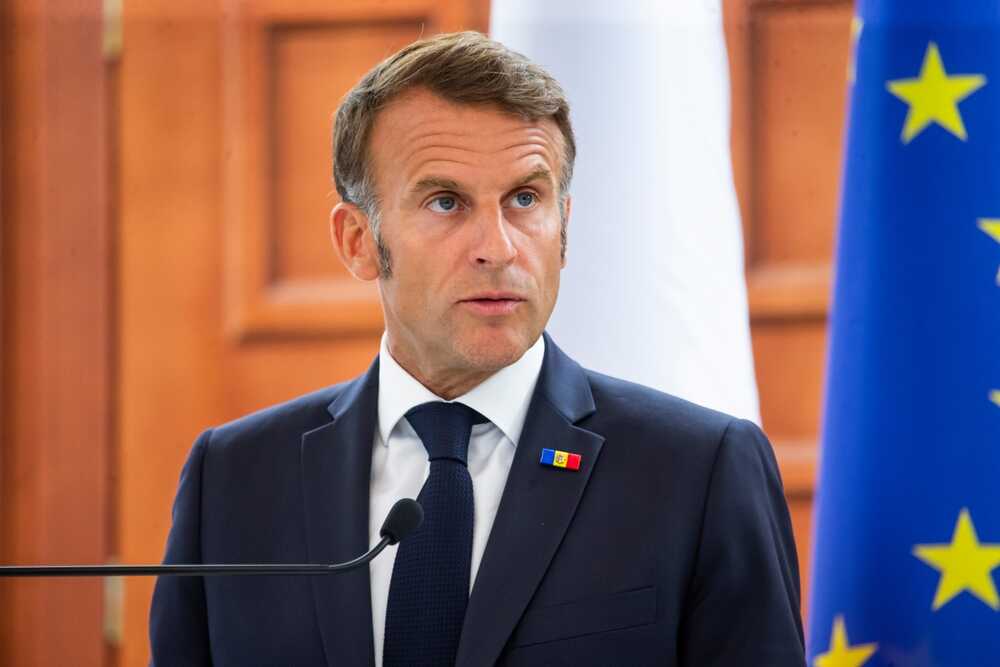
French President Emmanuel Macron is hosting Ukrainian President Volodymyr Zelenskyy and more than 25 heads of state and government at the Élysée Palace for a “Coalition of the Willing” summit focused on Ukraine. The French presidential office says this meeting is meant to help “achieve a ceasefire and resume peace negotiations” in Russia’s war against Ukraine, at what it calls a moment of very strong transatlantic unity and favorable momentum for Kyiv. Leaders are meeting in Paris just as NATO finishes its own summit work, signaling that this coalition is becoming a key security tool beside formal alliances.
The coalition already brings together about 35 nations, largely from Europe, along with partners such as Australia, Japan, and New Zealand. Moldova and North Macedonia are joining the summit as new participants, showing that the group is still expanding its reach. France currently leads the coalition and is expected to hand formal leadership to the United Kingdom soon, but both countries remain central to planning any future multinational force tied to a peace deal between Ukraine and Russia. This flexible format lets governments act without waiting on slow United Nations debates, but it also moves big decisions further from public view.
What the coalition is planning behind closed doors
Past meetings in Paris give a clear picture of what this coalition is now putting on the table: binding security guarantees for Ukraine that go far beyond simple aid. Leaders have discussed, and in some cases already endorsed, United States–led monitoring systems to watch any future ceasefire, continuous support for Ukraine’s armed forces, and preparation for a “multinational reassurance force” that could deploy once a ceasefire takes hold. Draft statements from earlier sessions also describe long-term commitments to help Ukraine deter future Russian attacks, including troop deployments, joint training, and integrated command and control operations on Ukrainian soil.
These plans would lock many coalition members into standing ready to send units to Ukraine after a peace deal, under what officials call multi-layered security guarantees with United States support. French and British leaders appear eager to show Europe can carry more of the load and take greater operational responsibility. However, today’s summit does not yet have a published final statement, and organizers admit that the exact form of the security guarantees is still being worked out, leaving voters with little detail on timelines, costs, or rules of engagement.
America’s role and the risk of quiet mission creep
Coalition documents and French statements show the United States is central in planning ceasefire monitoring and wider security guarantees, but often through special envoys and coordination cells rather than top public officials. The coalition has agreed in principle to create a United States–Ukraine–Coalition coordination cell in Paris, meant to manage joint operations and information sharing once a ceasefire exists. Earlier reports note United States support for the guarantees, yet stress the European leadership of the format, which shapes media coverage to frame this as a mostly European project.
For American conservatives, this mix raises two concerns. First, long-term security promises and possible future deployments can slowly pull the United States deeper into another open-ended foreign mission through international pressure, even if Congress and the public never debate a formal treaty. Second, the use of ad hoc coalitions lets foreign governments and bureaucrats shape security policy with less direct accountability to American voters, while still relying on United States money, intelligence, and military muscle. This pattern matches what researchers call “coalitions of convenience,” where governments bypass full legislative debate and United Nations oversight by building temporary groups around specific goals.
Defense buildup, industry mobilization, and confusion in the media
Macron has said new defense initiatives, joint military exercises, and defense industry mobilization will be presented at the summit, signaling a push for Europe to ramp up production and readiness linked to Ukraine’s needs. Coalition members have already signaled they are willing to raise military support and tighten economic sanctions on Russia if peace talks fail, and to maintain strong backing for Ukraine’s forces even after a ceasefire. That means more taxpayer money, more equipment shipments, and deeper integration of defense planning across several continents, all in the name of securing a “just and lasting peace” in Ukraine.
At the same time, fake or satirical content online has confused basic facts about who belongs to the coalition, even naming bogus leaders and titles in some videos, which can blur public understanding of the real membership and commitments. Official statements do little to push back on this noise, and Russian officials have stayed mostly silent about the coalition’s plans, offering no clear response or counter-proposal. Without strong transparency, regular updates, and honest debate at home, American and European citizens risk waking up later to find that their governments quietly signed up for long-term troop commitments, financial support, and deeper entanglement in a complex war that strains budgets, energy security, and domestic priorities.
Sources:
youtube.com, unn.ua, uk.diplomatie.gouv.fr, rferl.org, elysee.fr, en.wikipedia.org, facebook.com, civicslearning.org