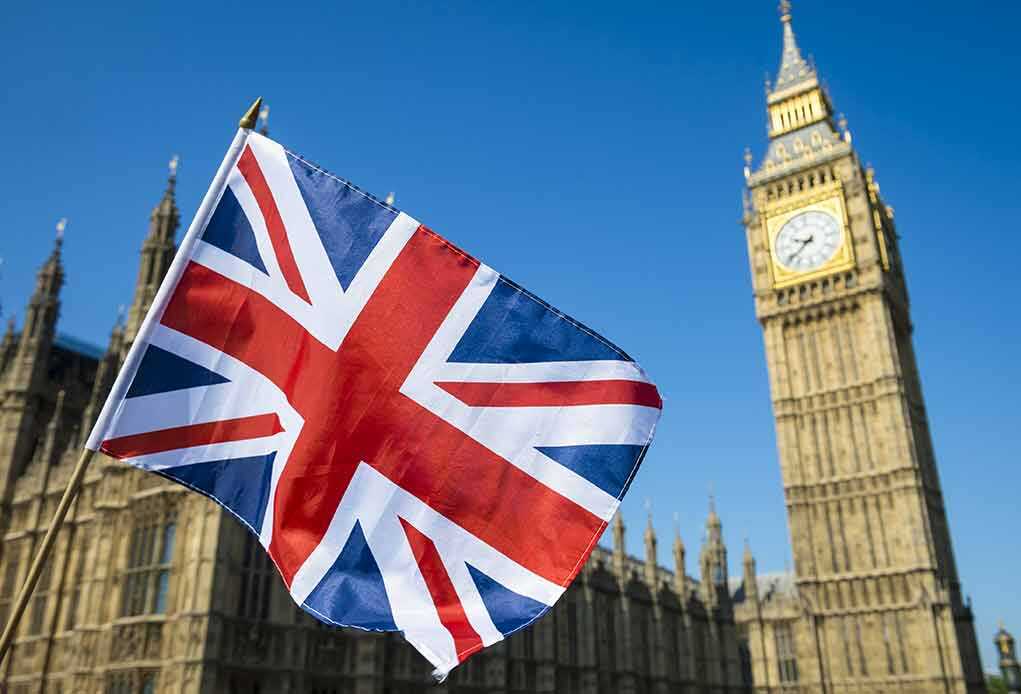
A coordinated pact by Scottish, Welsh, and Northern Irish leaders claims a right to self-determination and urges London to prepare for constitutional change, challenging Parliament’s control over the Union.
Story Highlights
- Nationalist leaders signed a Cardiff memorandum asserting a right to self-determination.
- The pact urges the United Kingdom government to plan and facilitate constitutional change.
- All three first ministers are described as committed to independence for the first time.
- Parliamentary briefings say Westminster approval is still required for lawful referendums.
Cardiff Pact Pressures London on Independence Pathways
Leaders from the Scottish National Party, Plaid Cymru, and Sinn Féin met in Cardiff on September 14, 2026, and signed a memorandum saying their nations “have the right to self-determination” and that no United Kingdom government may block their people’s choice. The document calls for the United Kingdom government to prepare for constitutional change and to enable referendums to settle status questions by popular vote. Scottish First Minister John Swinney said there should be “no obstacle” to people deciding their future.
The memorandum’s backers framed the step as historic because, “for the first time ever,” Scotland, Wales, and Northern Ireland have first ministers who all support independence aims, though their end states differ: a sovereign Scotland, a sovereign Wales, and Irish unity through a vote in Northern Ireland. The leaders argued that democracy requires London to respect mandates gathered at the ballot box. They said clear, legal, and timely votes should be the way to decide each nation’s path.
United Kingdom Law Still Centers Westminster’s Consent
Parliamentary and legal materials describe a different baseline. The House of Commons Library states the United Kingdom Parliament remains legislatively supreme over Scotland, Wales, and Northern Ireland, and a Scottish independence referendum without Westminster consent is unconstitutional and illegal. A Scottish Parliament committee paper says there is no right of unilateral secession and that independence would require express authorization from the United Kingdom Parliament. Analysts add that precedent points to a negotiated Section 30 order as the lawful route.
Northern Ireland follows a distinct rule set. House of Lords material explains that Northern Ireland stays in the United Kingdom unless a majority there votes otherwise in a referendum on Irish unification. That “consent principle” places the decision in the hands of Northern Ireland’s voters but within a process managed by law, not by a unilateral move. The Cardiff pact groups these tracks together politically, but the legal paths remain separate and specific to each territory.
What This Means for American Readers and Global Stability
The Cardiff push matters beyond Britain. Markets react when a major ally faces breakup risks. Energy, defense ties, and trade routes can wobble. For Americans who value national sovereignty and clear borders, this story shows how activists use process fights to press big changes. The pact asserts a moral right to decide, but the law still centers Parliament. That tension will test whether rules or rhetoric set the pace in the United Kingdom’s constitutional order.
📰 NEWSN7UK — Top four headlines
🇬🇧 UK: Celtic nations challenge Westminster as constitutional tensions reach new level
🏴 SCOTLAND: SNP joins landmark pact demanding right to self-determination
🐉 WALES: Wales signs Cardiff Agreement as leaders seek greater constitutional… pic.twitter.com/x8Gg32EwWH
— newsn7uk 🇬🇧 (@NEWSN7UK_N7) September 14, 2026
President Trump’s administration will watch the legal steps, not just the speeches. Reliable partners honor written rules, protect property rights, and keep defense deals steady. The leaders in Cardiff seek authorized referendums. Westminster holds the keys for Scotland and Wales, while Northern Ireland has its own consent vote path. Until London grants a vote, or Parliament rewrites the rules, the pact is pressure, not a trigger. Readers should expect a political campaign, not an immediate breakup.
Key Tensions to Track
First, watch whether the United Kingdom government issues a formal legal response to the memorandum. A clear reply would define timelines, conditions, or red lines. Second, track any move toward a Section 30 order for Scotland, which would mirror the 2014 precedent and signal a lawful referendum track. Third, look for concrete planning in Wales, where legal tools for a binding independence vote remain limited without Westminster consent, despite rising political demands.
Fourth, follow Northern Ireland’s consent mechanism. Any vote there flows from statutes tied to the peace settlement, not from devolved improvisation. Fifth, note how the leaders frame “democracy” versus “law.” Many voters support popular votes, but markets, allies, and courts rely on legal competence. In the end, process discipline protects liberty, contracts, and security. That is why the Cardiff pact’s rhetoric now meets the guardrails that Parliament and existing law still control.
Sources:
insiderpaper.com, aljazeera.com, nampa.org, youtube.com, ground.news, bbc.com, the-independent.com