

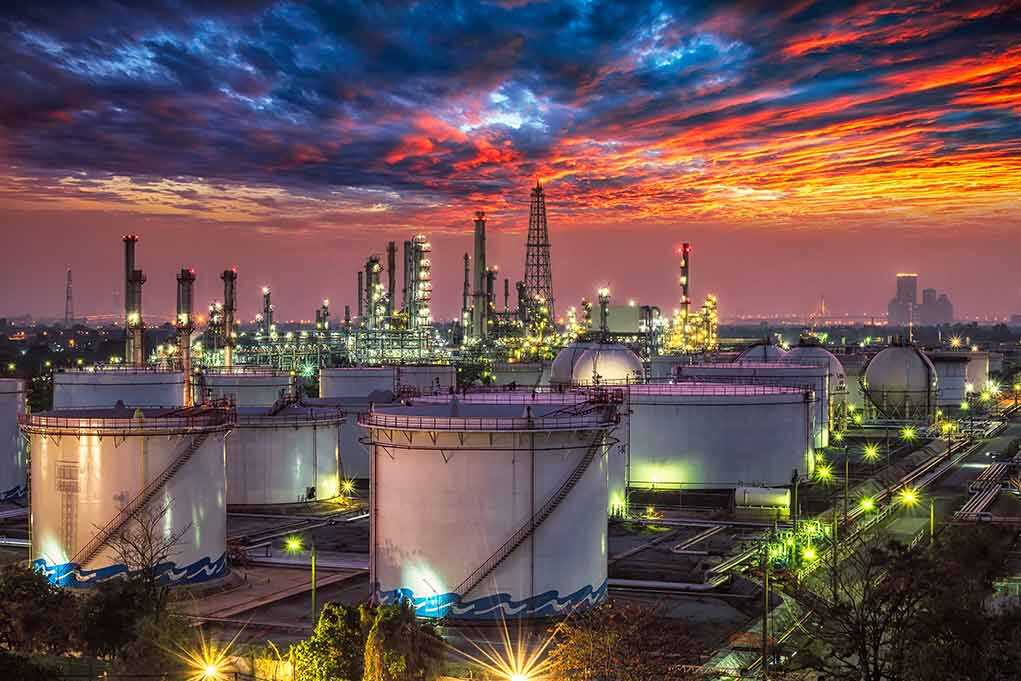
The Energy Department approved an emergency exchange of up to 4 million barrels from the Strategic Petroleum Reserve to keep fuel moving after a Gulf hurricane disrupted supplies.
Story Highlights
- Energy Department authorized a Strategic Petroleum Reserve exchange, not a sale.
- Exchange aims to steady gasoline and diesel deliveries while Gulf facilities recover.
- Office of Petroleum Reserves manages the response under long-standing emergency duties.
- Hurricane-related exchanges follow past actions after Katrina, Harvey, and Ida.
DOE Activates Emergency Oil Exchange To Protect Supply
The U.S. Department of Energy authorized an emergency exchange of up to 4 million barrels of crude oil from the Strategic Petroleum Reserve to offset hurricane-related disruptions along the Gulf of America. The department framed the action as a time-limited exchange, which is a short-term loan of oil repaid later in barrels with a premium, not an outright sale. Officials said the step is designed to keep refineries supplied and prevent spot shortages while damaged infrastructure comes back online.
The Office of Petroleum Reserves, which safeguards the nation from severe oil supply interruptions, is directing the exchange with industry partners. The office’s mission includes acquisition, storage, and managed distribution of emergency stocks. That structure allows the government to move crude quickly to where it is needed and then refill the reserve as companies pay back the barrels with interest. This model helps maintain readiness without using taxpayer funds to cover a permanent draw.
Why An Exchange, And Why Now
Hurricanes can shut ports, delay tanker traffic, and knock out power to refineries for days. When facilities lack crude, gasoline and diesel output stalls, pushing up prices and straining trucking and emergency services. The exchange gives refineries temporary barrels to bridge that gap. The department used similar exchanges after Hurricanes Katrina, Harvey, and Ida, and companies later returned the oil under contract terms. This action follows the same rulebook and timeline used in those prior events.
Independent analysts and federal data have long noted that the Strategic Petroleum Reserve works best as a logistics backstop during short, sharp shocks. The Government Accountability Office reported that the department has most often used exchanges to respond to domestic disruptions like hurricanes, rather than routine price control. That pattern reflects a simple goal: keep fuel flowing to drivers, farmers, and first responders while damage assessments, repairs, and port reopenings progress along the Gulf Coast.
What It Means For Drivers, Truckers, And Families
The exchange can reduce the risk of empty pumps and price spikes in storm-hit areas by ensuring steady refinery runs during recovery. The department’s approach focuses on regional supply, which helps shield long-haul trucking and harvest season diesel needs. The exchange terms require companies to repay barrels, plus a premium, which refills the Strategic Petroleum Reserve over time. That means the nation’s emergency stockpile is protected while families and small businesses get the fuel they need to keep going.
JUST IN: 🇺🇸 The Energy Department authorizes an emergency swap of up to 4M barrels from the Strategic Petroleum Reserve, letting ExxonMobil and BP borrow up to 2M each, after Hurricane Isaias knocks out 69% of Gulf oil output.
— Yeet Capital (@yeeetCapital) October 12, 2026
Conservatives want stable energy, not mandates or gimmicks. This step leans on American oil, American infrastructure, and a proven playbook. The Office of Petroleum Reserves exists for moments like this and is acting within its clear mission to manage emergency stocks and meet international commitments when needed. While the department did not publish the exact delivery schedule, past hurricane exchanges moved barrels within days, then collected repayment as Gulf systems recovered.