
ESPN’s on-screen “No Religious Signs” rule at Alabama’s College GameDay ignited a backlash over free expression and faith on campus.
Story Highlights
- The videoboard listed “No Religious Signs” among several banned categories inside GameDay’s controlled fan “Pit.”
- ESPN says the restriction has been in place for some time, not created for Alabama.
- Past GameDay broadcasts showed “Seek Jesus” and similar signs, raising consistency questions.
- Other universities have posted similar political and religious sign limits for GameDay areas.
What sparked the fight over signs at Alabama’s GameDay set
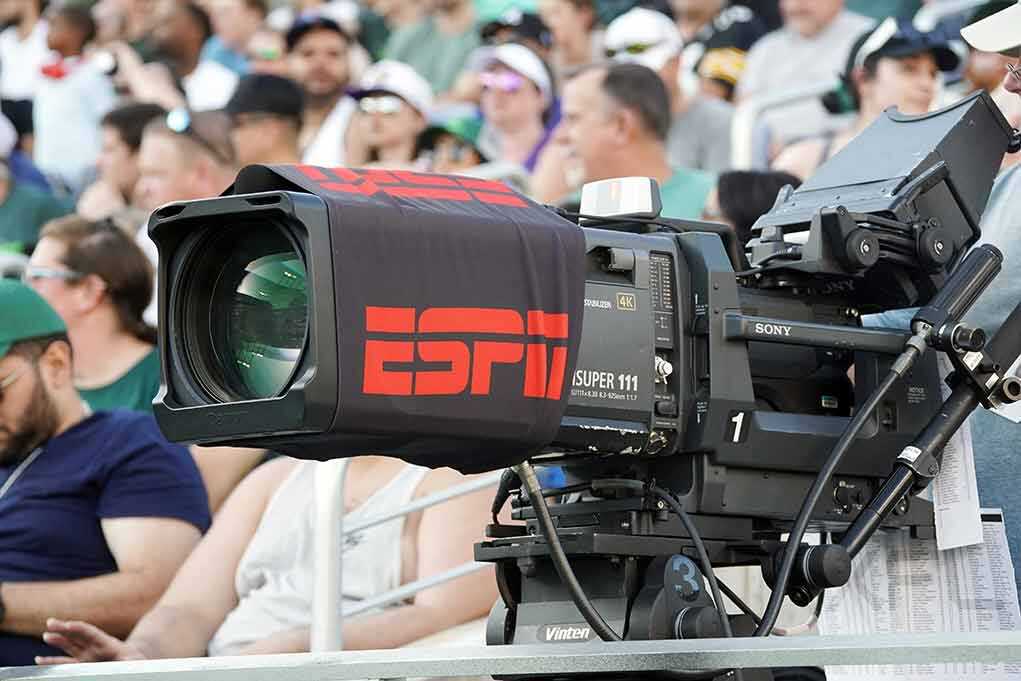
Event staff at Alabama’s Coleman Coliseum displayed “Pit Rules” on the videoboard during ESPN’s College GameDay, including “No Religious Signs,” alongside bans on vulgar, political, and commercial signs. The listed rules applied to “The Pit,” a tight on-air fan zone that ESPN manages for broadcast. Security could remove signs or fans who broke the rules while the show was live. That single line—“No Religious Signs”—set off a wave of anger online and beyond.
ESPN told reporters the religious-sign rule is not new. A spokesperson said it “has been in place for a while,” pushing back on claims that it targeted the Alabama show. Critics asked for proof, such as a dated policy or version history, but no full document has surfaced. The gap in public records kept the story hot and let both sides argue over what changed and when. The network has not published definitions for what counts as “religious.”
How the rule fits inside GameDay’s controlled broadcast zone
GameDay’s “Pit” is a defined production space where ESPN sets the look, sound, and safety. Reports said the company can set standards there, much like stage managers do on live shows. That includes sign checks and removals that protect the broadcast from vulgarity, politics, ads, or off-brand content. Comparable event guidance at Tennessee and Miami has also barred political and religious signs for GameDay sites, with inspections noted before entry. That suggests a pattern across venues.
Supporters of the rule say a neutral, family-friendly show should avoid hot-button messages in the camera frame. They argue that political and religious debates are real and important, but not for a two-hour pregame. They point to similar limits in other sports, where organizers draw lines between the controlled field or stage, and the rest of the venue. That distinction aims to keep attention on the game, not on disputes that can drown out the broadcast.
Why critics say the policy looks biased in practice
Fans and local outlets posted clips and images of past GameDay crowds showing “Seek Jesus,” “Find Hope in Jesus,” and “Jesus Saves” signs on air. They argued that if ESPN had a long-running ban, then enforcement was loose or uneven. Some said other barred items, like cash-app handles, slipped through too. A few voices stressed they do not claim persecution, but they see a double standard that pushes faith out of view while letting other messages ride.
One fan quoted in Yahoo Sports asked whether the rule was new, or simply newly displayed. The question matters: a quiet rule that was rarely enforced feels very different from a fresh clampdown after Christian signs grew more visible. ESPN has not produced a dated policy or examples of how it applies the rule across religions. That silence leaves room for doubt and fuels the sense that religion got singled out, even when the wording is facially neutral.
Free expression, private control, and what comes next
The clash landed at a public university, which raised First Amendment chatter. But the fight here centers on a private broadcaster’s control of its set. Inside “The Pit,” ESPN runs the show. Outside that zone, the venue’s own rules and laws apply. That line often gets blurred in the heat of game day. Clear maps, written definitions, and posted scope—what applies where, and when—would help fans exercise their rights without guesswork or surprise ejections.
Transparency would also cool tempers. ESPN could publish the full signage policy, its dates, and examples of enforcement across faiths and viewpoints. Host schools could share agreements and security memos for GameDay setups. Simple steps like that protect free expression and reduce claims of selective rules. Sports should unite us. Reasonable time, place, and manner limits can work—if they are clear, evenhanded, and narrow. Faith should not be erased to keep a show tidy.
Sources:
lifesitenews.com, foxnews.com, newsbreak.com, sports.yahoo.com