
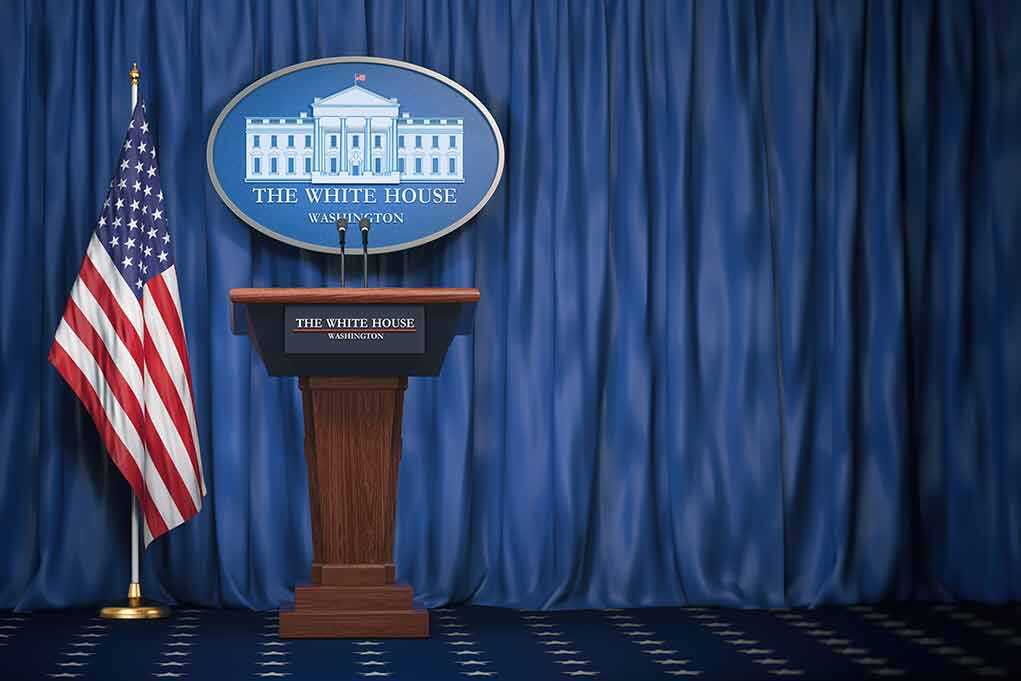
President Trump’s newly appointed press secretary, Katie Zacharia, took the White House podium for her first official briefing on October 13, 2026, marking a reset in how this administration shares its wins and fights media spin.
Story Highlights
- President Trump named Katie Zacharia White House press secretary, succeeding Karoline Leavitt.
- Zacharia held her first briefing on October 13, 2026, at the White House.
- Trump announced the schedule on Truth Social and set the 9:30 a.m. start time.
- Zacharia said she aims to communicate the administration’s daily results to the public.
Trump Names Zacharia to Succeed Leavitt
President Trump announced Katie Zacharia as the new White House press secretary, succeeding Karoline Leavitt. The Associated Press reported that Zacharia previously advised Trump’s media company and is known to conservative audiences as a commentator. NBC News likewise reported the transition and identified her as Leavitt’s successor. These moves signal continuity in a communications shop focused on direct messages, quick responses, and clear contrast with the legacy media’s framing.
Cable and digital outlets flagged that the first briefing would be Zacharia’s introductory turn at the podium. NBC News posted live coverage of the event on October 13, aligning with same-day alerts across major platforms. PBS scheduled the briefing for that morning from the White House Press Briefing Room, underscoring its official nature and public interest in the handoff. The timing gave the administration a platform to highlight policy progress and address press questions early in the week.
First Briefing Timing and Venue
Coverage from PBS and NBC set the debut briefing on October 13, 2026, inside the James S. Brady Press Briefing Room. CNBC reported that President Trump outlined the plan on Truth Social, saying Zacharia would start Monday and hold an introductory news conference Tuesday at 9:30 a.m.. That schedule fits standard White House practice, where weekday briefings are a routine tool for public accountability and news updates across administrations.
While press offices change with each president, the function remains: share policy news, take questions, and set the record straight. The Obama-era archives show similar daily formats and rhythms in that same room, reflecting a long line of modern press operations designed for open, on-camera engagement. Zacharia stepped into that tradition while representing an administration that favors plain talk and quick pushback when facts get twisted.
Zacharia’s Stated Mission and Background
ABC News quoted Zacharia committing to communicate the administration’s results and daily wins to the American people, and to work with the press corps nationwide. That aim matches President Trump’s direction to highlight outcomes on the economy, border security, and energy costs. Reports from the Associated Press and The New York Times described Zacharia’s prior work with Trump Media & Technology Group, positioning her as a seasoned communicator familiar with this audience and its priorities.
CNBC noted that Trump framed her selection in personal terms, saying she had been with him “in spirit” from the start, and shared the plan for her early briefing schedule. That introduction pointed to a press strategy built on loyalty, message discipline, and speed. For many conservatives, this promises fewer detours into Beltway drama and more focus on policy performance amid inflation pressures and ongoing debates over border enforcement and national strength.
What This Briefing Signals for Communications
Zacharia’s debut indicates a communications push that treats every briefing as a chance to cut through noise and deliver direct facts. The event’s timing and visibility suggest the White House wants to shape the week’s news cycle early and often. The messaging focus she described—results first, then repetition—echoes a core conservative view: government should do its job well, explain it clearly, and stop wasting time on side shows.
The briefing also underscores how this press office will balance traditional outlets with new platforms. Trump’s announcements on Truth Social set the tone and schedule that networks then carried forward. That blend reflects a modern press strategy: meet Americans where they are, refuse gatekeeping by partisan filters, and keep the lens on border security, safer streets, affordable energy, and strong families—the issues that matter most to this audience.
Sources:
facebook.com, nbcnews.com, abcnews.com, cnbc.com, apnews.com, pbs.org, nytimes.com