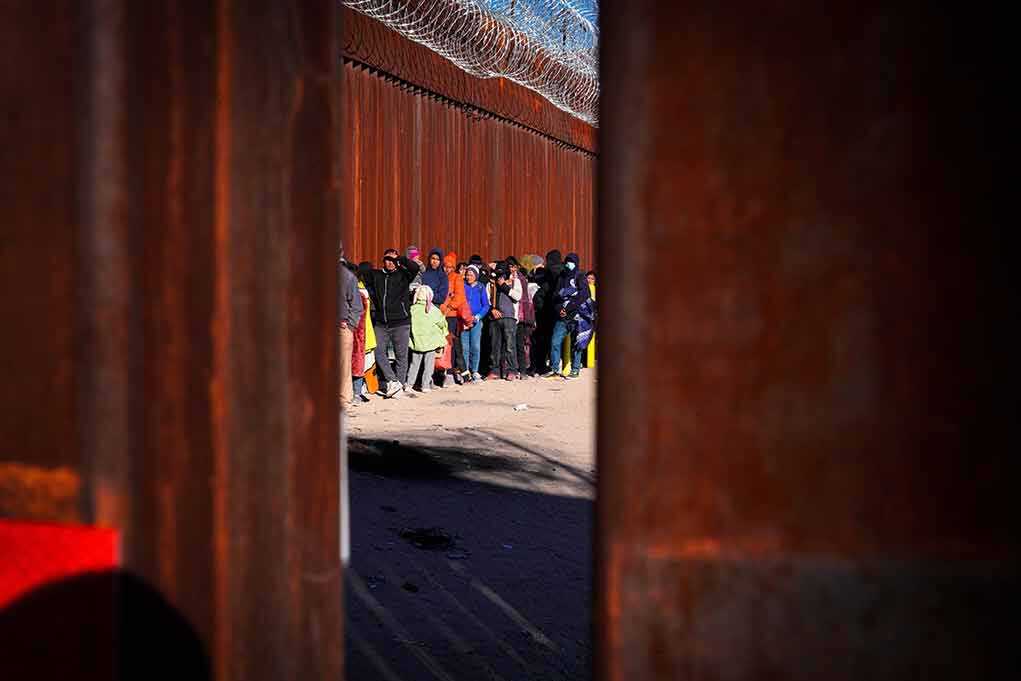
Mexico’s president insisted “no caravan” reached the north—then admitted another is forming in the south, sharpening a border showdown as migrants march and tariffs loom.
Story Highlights
- Sheinbaum said no caravan has reached Mexico’s northern border since 2025, but acknowledged groups in Chiapas.
- Reports documented 1,000 to 1,500 migrants leaving Tapachula and another group forming in southern Mexico.
- President Trump warned Mexico to stop the caravans or face immediately doubled tariffs.
- Mexico claims groups are dispersing; evidence does not prove none continued north individually.
Mexico’s Claim Faces Conflicting On-the-Ground Reports
On November 12, Mexican President Claudia Sheinbaum said no migrant caravan had reached the north since President Trump returned to office in January 2025. She distinguished between southern groups and a caravan reaching the United States border, and said officials were engaging migrants and encouraging returns. That same week, reporters documented a caravan departing Tapachula with more than 1,000 people, alongside a second group in Chiapas that Mexico said was smaller and later dispersed.
Reuters reported the Tapachula group at roughly 1,500 people, including many families, heading north in southern Mexico. Other outlets placed the figure above 1,000 and described movement toward Mexico City, which is a known corridor for northbound travel. Mexico said another caravan in Arriaga fell from about 500 to 600 people to near 100 after contact with officials. Those facts show organized movement existed, even as Mexico argued it prevented a large caravan from reaching the northern border.
Trump’s Tariff Warning Raises the Stakes
President Trump said “huge caravans” were forming and called the situation an invasion, warning that tariffs on Mexico would be immediately doubled if the country did not stop the movement. News reports quoted his message and tied it to the same southern caravans, making trade pressure part of the border response. Trump’s approach mirrors his past use of tariffs to push Mexico on enforcement, signaling that economic tools are again on the table to defend the border.
Coverage described Mexico’s reply as a denial that any caravan had reached the northern border, not a denial that groups existed in the south. That narrow claim matters. It allows Mexico to say “there is no caravan” near the United States, while photos and counts show large groups farther south. The wording gap creates confusion, and it gives skeptics room to argue Mexico is managing optics rather than stopping the flow outright.
What We Know About the Caravans in Chiapas
Reports said the Tapachula caravan set off with more than 1,000 people, while another group in Chiapas included about 500 to 600 and later shrank. Mexico said officials told migrants entry into the United States would be very difficult and urged returns to Honduras. The government also provided assistance and guidance. These actions suggest an attempt to contain movement. But there is no public person-by-person record showing how many later continued north alone or in small groups.
The lack of detailed tracking data leaves gaps in the story. We do not have an audited route log from Mexico’s migration agency or a complete sector-by-sector arrival count tied to these groups. That means Mexico’s claim that no caravan reached the north can be true as phrased, while many individual migrants still press on, board buses, or link up with others later. That pattern has happened before, which is why numbers shift as groups join, split, or disperse.
Why This Matters for Border Security and the Economy
Conservatives see two linked risks: border pressure and economic strain from unfair burdens on American workers. When large groups form in southern Mexico, cartels and smugglers adapt, even if big caravans later disperse. Smaller groups are harder to track, but they still reach the border. That flow stresses Border Patrol, shelters, and local towns. It also rewards the same broken system that fueled record encounters in past years, until stronger enforcement began again under President Trump.
Trade pressure is leverage when words fail. Tariffs force action from Mexico’s government and signal that the United States will defend its border and its workers. The goal is not endless tariffs. The goal is results: stop mass movement before it reaches the Rio Grande. Mexico’s mixed messaging—“no caravan in the north,” while new groups form in the south—does not solve the core problem. Clear benchmarks, daily reporting, and proof of sustained interdiction would.
What to Watch Next
Watch for verifiable movement data from Tapachula, Arriaga, and other Chiapas corridors. Look for checkpoint counts, transfers, returns, and detentions tied to dates after November 10. Track whether Mexico shares evidence that southern groups turned back, not just dispersed. Finally, monitor United States border encounters by sector in the days and weeks ahead. If numbers linked to these groups rise, pressure for tariffs and tougher steps will grow fast.
Sources:
zerohedge.com, mundonow.com, myarklamiss.com, courthousenews.com, kdow.biz