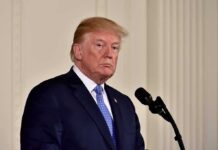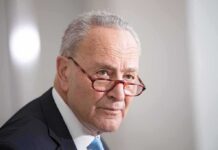


“We control the border,” Border Czar Tom Homan warned, telling Texas’s Democratic governor-elect she has no power to let migrants in.
Story Highlights
- Homan said only the federal government can admit or remove noncitizens, not any state leader.
- A U.S. court filing backs exclusive federal authority over entry and removal decisions.
- Homan vowed arrests, prosecutions, and deportations for illegal crossings, with “zero releases”.
- Analysts say a Texas governor can pull state help but cannot open the border or control federal agents.
Homan Draws A Bright Line On Who Controls The Border
News interviews on November 20–21 quoted Border Czar Tom Homan saying the Texas governor-elect “has no power to let them cross the border” and that federal authorities “control the border.” He paired the warning with a promise of strict enforcement under President Trump: illegal entrants will be arrested, prosecuted, and deported, with “zero releases.” Those firm statements target cartels and activists who bet on state politics to weaken national border control.
Homan’s pledge speaks to conservatives who remember the chaos of recent years. He said caravans will “waste their time” if they try to force entry, because federal agents will not wave people through or run catch-and-release. That message is simple: Washington under President Trump is setting policy and backing agents on the line. It also signals to state leaders that any move to undermine federal authority will meet a swift federal response.
Federal Law, Not State Politics, Decides Admission And Removal
The United States told a federal court that power to admit or remove noncitizens belongs exclusively to the national government. The filing stressed that immigration entry and removal are federal decisions, and that states cannot run their own parallel admission systems. That position reflects long-standing constitutional rules placing immigration under federal control, not a patchwork of state preferences or local agendas that invite confusion or weak borders.
Congressional researchers have also explained that when a state law conflicts with federal immigration law, the Supremacy Clause controls. That means state measures that clash with federal entry or removal rules must give way. The point is basic but vital: border admission policy is one voice and one flag. When the nation speaks with many voices, cartels exploit the gaps, and American border towns pay the price with more crime, strained budgets, and reduced safety for families.
What A Texas Governor Can And Cannot Do At The Border
Reports on Texas powers say a governor can shift state police and National Guard missions, or scale cooperation with federal agencies up or down. But that authority does not open ports of entry or command federal officers. United States Border Patrol, Immigration and Customs Enforcement, and deportation decisions answer to President Trump and federal law. A governor can affect state posture, yet cannot admit migrants into the country or stop federal removals.
Governor-elect Gina Hinojosa has criticized federal Immigration and Customs Enforcement tactics and said Texas should not “facilitate” them, while also saying the border should be secure. Those statements show a likely push to limit state help for federal enforcement. Even so, nothing in her remarks gives Texas power to authorize entry. Homan’s warning meets that reality head on: states can posture, but they cannot change who gets in or who must go home under federal law.
Why This Matters For Security, Sovereignty, And Common Sense
Border policy only works when rules are clear and backed by action. Mixed signals fuel smuggling, human suffering, and higher costs for taxpayers. Homan’s “no free ride” stance is a reset to order and deterrence. It also protects the Constitution’s design: one national policy on who enters and who stays. That design guards sovereignty, supports law-abiding citizens, and keeps families safe from the fallout of political games at the border.
Border Czar Homan Puts Dem Texas Governor-Elect on Notice https://t.co/IP2bTnm2q7
— The Linger Family (@linger_the) November 21, 2026
Enforcement promises will face tests from court dockets, detention limits, and asylum claims. But a firm federal lead gives agents clarity and denies cartels the gray zones they exploit. Texas can partner with Washington to secure bridges, rivers, and ranchlands. It cannot replace federal judgment on admission. That is the bottom line Homan drew. The Trump administration says the border is under federal control—and the law backs that up.
Sources:
yahoo.com, faithfulherald.com, justice.gov, congress.gov, freep.com, texastribune.org