
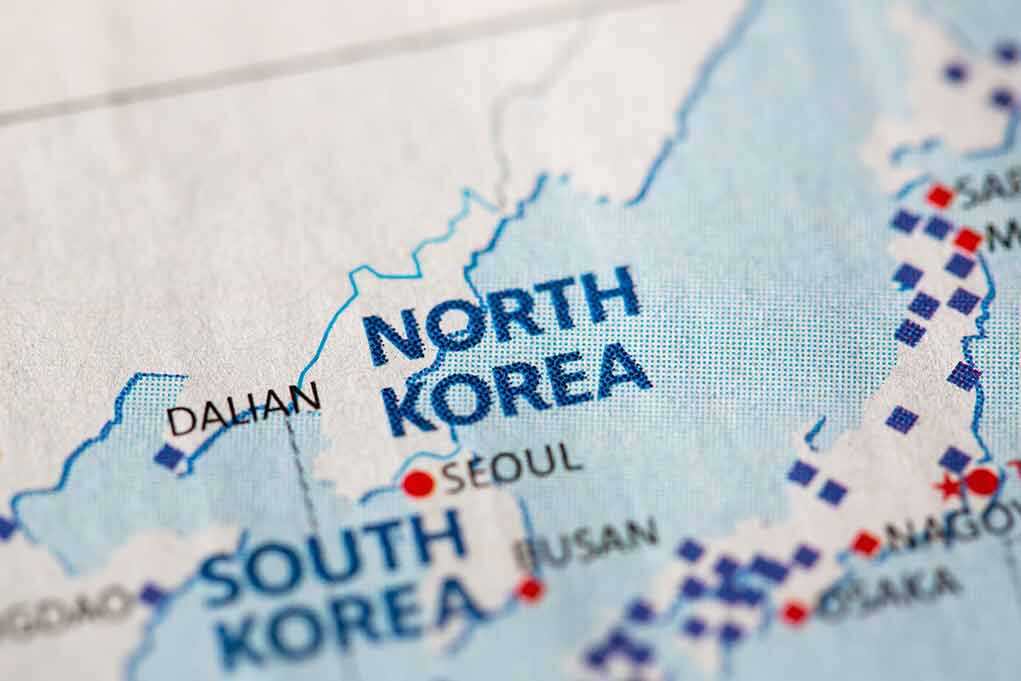
A rushed emergency alert in South Korea warned of a “suspected North Korean aircraft,” then officials said the jets were Russian and not in South Korean airspace.
Story Highlights
- South Korea sent an evacuation alert to Ulleung Island residents at 7:52 a.m.
- The military scrambled fighter jets after foreign aircraft entered the air-defense identification zone.
- Local officials first called the planes “suspected North Korean,” then the military said they were Russian.
- Authorities lifted the alert about five minutes later after the aircraft left the zone.
Emergency Alert And Immediate Response Near Ulleung Island
South Korea’s Interior Ministry sent a disaster alert to Ulleung Island at 7:52 a.m., telling people to move to underground shelters or stay inside. The message followed radar tracks showing foreign aircraft near the island. Local authorities lifted the alert about five minutes later. The short window still caused fear for families who remember past North Korean provocations. Government officials said the warning aimed to protect civilians as the military checked the situation and deployed forces.
South Korea’s Joint Chiefs of Staff said the Air Force scrambled fighter jets after multiple aircraft entered the Korea Air Defense Identification Zone over the East Sea. Military leaders said the aircraft did not cross into South Korea’s sovereign airspace. The pilots monitored the tracks until the planes exited the identification zone. Commanders framed the response as standard practice. They said the goal was to identify the aircraft, guard the perimeter, and be ready to act if a real incursion occurred.
Misidentification Sparked Confusion, Then A Swift Correction
North Gyeongsang Province’s alert referred to a “suspected North Korean aircraft,” which raised alarms for residents on the remote island. The Joint Chiefs of Staff later clarified that the aircraft were Russian warplanes and emphasized there was no violation of sovereign airspace. The province’s message was corrected after the military update. The initial mislabel shows how fast-moving alerts can trade accuracy for speed, especially when using templates during drills or high-pressure moments.
Yonhap reported that officials lifted the alert within minutes, once the aircraft left the identification zone and the military confirmed the status. The military’s account said the planes entered only the identification zone, which many readers confuse with national airspace. An identification zone is an early-warning area outside a country’s borders. It helps track unknown aircraft before they reach protected skies. This difference matters for rules of engagement, public messaging, and the risk of escalation.
Pattern Of Aerial Tensions And The Stakes For U.S. Allies
South Korea has faced real hostile air activity before, including North Korean drones that crossed the border in 2022, reached the Seoul area, and forced military action. Those flights broke clear lines and showed why quick alerts can save lives. Today’s event did not cross into sovereign airspace, but it followed the same pattern that keeps people on edge. The military’s scramble shows vigilance remains high across the region’s crowded skies.
For American readers, the takeaway is simple: allies face constant probes that test radar, reaction time, and communication lines. President Trump’s team supports stronger regional defense ties and faster information sharing. Clear terms help too. Sovereign airspace means national sky under law. An identification zone is a buffer where aircraft must identify themselves. Mixing those terms can scare families and strain trust. Precise language, steady readiness, and quick corrections keep deterrence strong without fueling panic.
What Officials Confirmed And What Comes Next
Officials confirmed four key facts. First, the government sent an emergency alert at 7:52 a.m. to protect people on Ulleung Island. Second, the Air Force scrambled jets in response to aircraft in the identification zone. Third, the province’s alert said “suspected North Korean aircraft,” but the military later said the planes were Russian. Fourth, the alert ended within minutes, after the aircraft left the zone. These points frame a serious, but limited, air-security episode near South Korea.
South Korean leaders will likely review how local and military alerts sync under pressure. A clean chain of updates reduces mixed messages in the first few minutes. That helps civilians act fast without needless fear. It also helps commanders manage risk with firm rules and calm public communication. The region will keep seeing these tests. Clarity, discipline, and strong alliances remain the best answer to both real threats and false alarms that ride close behind them.
Sources:
insiderpaper.com, en.yna.co.kr