

A rare Underground Railroad tunnel in New York City, hidden for nearly two centuries, now faces destruction from a greedy developer’s high-rise plans, pitting property rights against American heritage in a classic big-government vs. private property showdown.
Story Highlights
- Hidden 15-foot shaft under chest of drawers in 1832 Merchant’s House confirmed as Underground Railroad escape route after recent research.
- Developer Kalodop II Park Corp. pushes nine-story building next door, risking “significant structural damage” to National Register site per engineers.
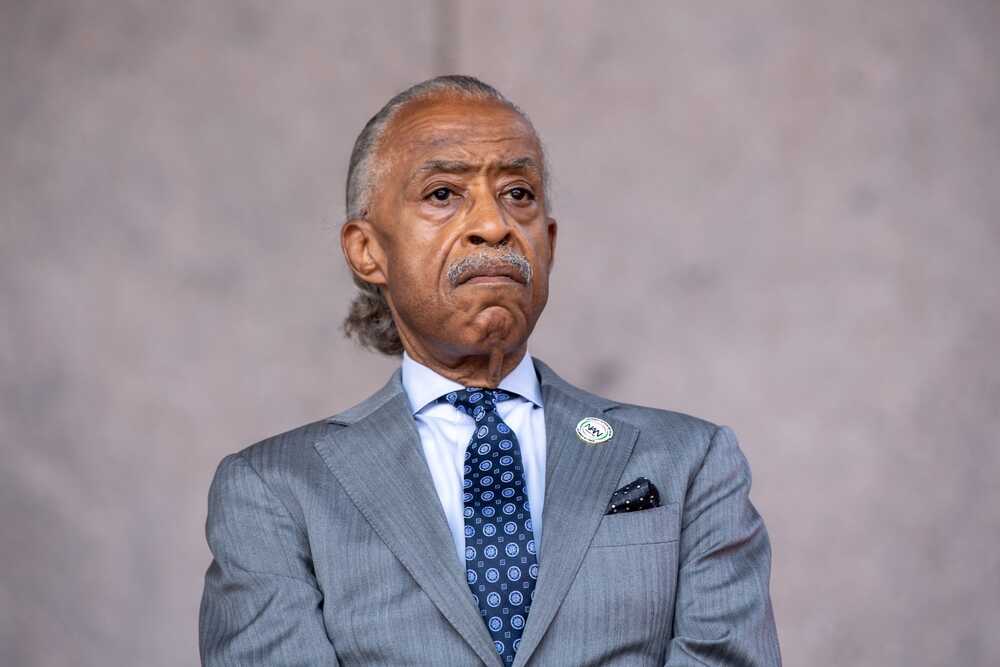
- Rev. Al Sharpton and preservationists warn of irreversible loss to Black American history; NYC Landmarks Preservation Commission to decide fate.
- Tension highlights conservative priority: protect private property rights while safeguarding unique pieces of our nation’s founding history from urban overdevelopment.
Historical Discovery Unearths Hidden Risk
The Merchant’s House Museum at 29 East 4th Street in Manhattan’s NoHo district houses a 2-foot-square passageway descending 15 feet beneath a second-floor chest of drawers. Built in 1832 by merchant and abolitionist Joseph Brewster, the shaft served no domestic purpose. Recent two-year research confirmed its role in the Underground Railroad, aiding enslaved Black Americans in bounty hunter-filled antebellum New York City. Discovered in the 1930s, its secretive design underscores Brewster’s high-risk heroism. The site now draws surging visitors, boosting tourism and education on America’s fight against slavery.
Developer’s Escalation Threatens Structure
Kalodop II Park Corp., owner of the adjacent one-story garage at 27 East 4th Street, secured approval for construction in 2023 but never started. In December, likely 2025, the firm submitted plans for a taller nine-story mixed-use building with offices, a restaurant, and art gallery. Museum director of operations Emily Hill-Wright cites engineers warning that such a structure guarantees damage to the house’s walls and foundation. Preservation attorney Michael Hiller echoes concerns, placing the historic site directly at risk from the proposed excavation and piling.
Advocates Rally Against Irreversible Harm
Rev. Al Sharpton recently issued a statement declaring the threat of “irreversible damage,” stating engineers’ assessments demand action. Jacob Morris, director of the Harlem Historical Society, highlights the extraordinary peril Brewster faced hiding escapees in urban Manhattan. The Merchant’s House Museum leads preservation efforts, emphasizing the passageway’s unique urban Underground Railroad status. Community opposition grows as NoHo residents fear loss of 19th-century architectural character in their historic district.
New York City’s Landmarks Preservation Commission holds final authority on the development. The agency must weigh developer property rights against engineering evidence and public heritage value. Prior developer applications show a pattern of escalation, testing regulatory limits without prior construction. Advocates leverage public pressure, technical reports, and hearings to influence the outcome. The museum lacks direct control but gains leverage through rising visitor numbers and media attention on this rare find.
Balancing Property Rights and Heritage
Conservatives champion private property rights as foundational to American liberty, yet recognize the value in preserving tangible links to our abolitionist past that fueled the Constitution’s moral arc. Short-term, Commission denial could halt construction and protect the site; damage might force closure. Long-term, destruction erases rare evidence, stunting historical research and education for future generations. Economically, developers chase profits while the museum thrives on heritage tourism. Socially, African American communities face symbolic loss of a verified escape route.
Sources:
Hidden NYC tunnel tied to Underground Railroad at risk of ‘significant damage,’ advocates warn
Hidden NYC tunnel tied to Underground Railroad at risk
Historic NYC Underground Railroad site faces development threat