A civilian pilot’s apparent navigation mistake triggered a full military scramble of F-16 fighter jets near President Trump’s Air Force One in Florida, exposing serious questions about airspace security protocols while our Commander-in-Chief faces mounting criticism over the Iran conflict.
Story Snapshot
- NORAD scrambled F-16s and deployed flares after civilian aircraft violated restricted airspace near Air Force One at Palm Beach International Airport on March 29, 2026
- President Trump was golfing nearby when the unresponsive pilot breached the no-fly zone, causing one-hour airport delays before being safely escorted out
- White House confirmed no actual threat existed, debunking social media rumors of a drone attack amid heightened tensions during the Iran war
- The incident highlights ongoing security challenges for Trump as MAGA supporters question his broken promise to avoid new foreign entanglements
Civilian Aircraft Triggers Military Response Near Presidential Zone
Fighter jets roared into action around 1:15 p.m. on March 29, 2026, when a civilian general aviation aircraft entered Temporary Flight Restriction airspace near Palm Beach International Airport. Air Force One sat on the tarmac preparing for President Trump’s scheduled evening departure to Washington, making the violation especially concerning. NORAD F-16s deployed bright flares to signal the unresponsive pilot, creating a dramatic scene witnessed by travelers and residents. The military escort successfully re-established contact and guided the aircraft out of restricted airspace without incident. Palm Beach International imposed a ground stop lasting approximately one hour, though the FAA attributed delays to flight volume rather than the security breach.
Trump’s Weekend Golf Outing Interrupted by Airspace Breach
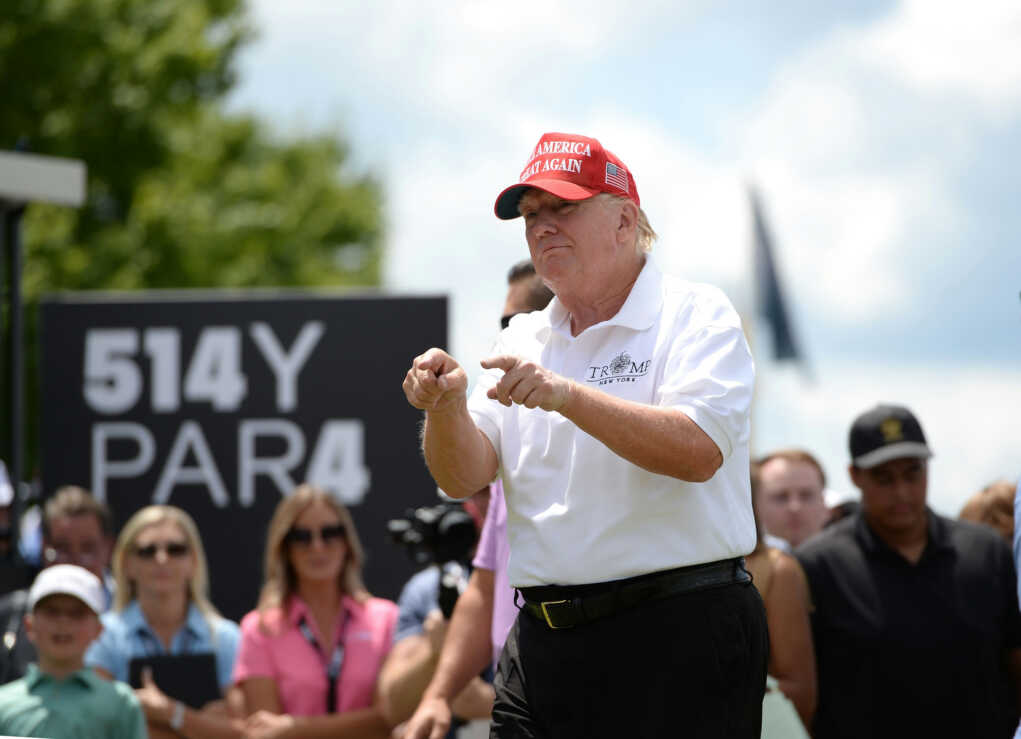
President Trump was enjoying a Sunday afternoon at his Trump International Golf Course when the security situation unfolded. The proximity of the violation to both Mar-a-Lago and the airport where Air Force One waited created a heightened alert scenario. NORAD maintains strict protocols for presidential protection, especially given post-9/11 security requirements that demand immediate responses to any aircraft failing to acknowledge radio communications in restricted zones. White House officials quickly issued statements confirming no danger threatened Trump or Air Force One, seeking to calm public concerns. The Secret Service coordination with NORAD demonstrated the layered security approach protecting the president during his frequent Florida visits.
Social Media Speculation Fuels Drone Attack Rumors
A Delta Air Lines pilot’s intercom video circulated rapidly on social media, incorrectly suggesting a drone threat near Air Force One. Passengers heard mentions of helicopters investigating the situation, which combined with visible F-16 flares to spark speculation about a coordinated attack. These rumors gained traction among Americans already on edge about national security during the ongoing Iran conflict. NORAD and White House officials moved swiftly to debunk the drone narrative, clarifying the violation involved a manned civilian aircraft. The misinformation episode reveals how quickly false narratives spread during legitimate security events, particularly when the president faces criticism over war policies that have divided his base.
TFR Violations Expose Gaps in Pilot Awareness
Temporary Flight Restrictions around presidential movements create no-fly zones that all pilots must respect, yet violations occur with troubling frequency. The unidentified civilian pilot’s failure to monitor restricted airspace or respond to radio calls on emergency frequencies represents either negligence or inadequate flight planning. NORAD guidelines instruct pilots to immediately tune to 121.5 or 243.0 MHz when intercepted, yet this operator remained unresponsive until visual signals forced compliance. Aviation authorities may impose significant fines for such breaches, though enforcement varies. This incident underscores concerns about general aviation security gaps that persist despite decades of post-9/11 improvements, raising questions whether current protocols adequately protect national leaders without imposing excessive restrictions on legitimate flight operations.
F-16s Scramble Near Trump’s Air Force One After Security Scarehttps://t.co/R5wayfUv9e
— PJ Media (@PJMedia_com) March 30, 2026
The Palm Beach airport incident resolved without harm, but it arrives at a politically sensitive moment for President Trump. His second-term promise to keep America out of new wars now rings hollow as servicemembers deploy to fight Iran. MAGA supporters who elected Trump partly on his anti-interventionist rhetoric express frustration that military resources scramble to protect a president pursuing the very foreign entanglements he once condemned. The security apparatus functioned properly in Florida, yet the broader question remains whether Trump’s foreign policy choices justify the costs Americans bear in blood and treasure overseas.
Sources:
Drone Sighting Near Air Force One Triggers Temporary PBI Ground Stop – KOMO News
F-16 Fighter Jets Scramble, Deploy Flares at Palm Beach Airport – Hindustan Times
F-16s Scrambled After Aircraft Breaches Air Force One Zone – Deccan Chronicle
F-16s Scrambled, Flares Deployed After Civilian Aircraft Violates Flight Restriction – Tribune India
F-16 Jets Deploy Flares After Security Scare Near Air Force One – iHeart KTEX