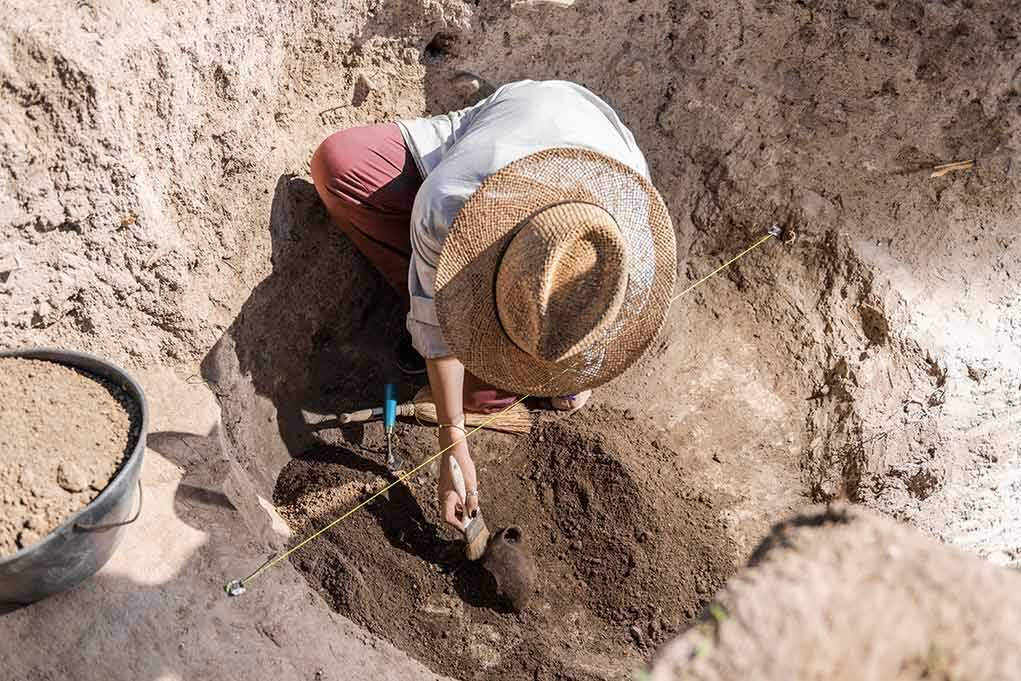
A Danish homeowner’s backyard dig uncovered 18.5 kilograms of Viking silver, the largest such hoard ever found in Denmark.
Story Highlights
- Homeowner in Rebild, Denmark, unearthed roughly 700 Viking silver pieces while building a patio.
- North Jutland Museums identified the 18.5-kilogram hoard as Denmark’s largest Viking Age silver cache.
- The treasure includes bars, bracelets, and 47 coins and fragments from about 1,100 years ago.
- Danish danefæ law transfers such finds to the state for museum assessment and reward review.
Backyard Project Turns Into Record Discovery
Local reports say an anonymous homeowner in Rebild, in northern Denmark, struck metal while clearing soil and stones for a new terrace this spring. Archaeologists called to the site uncovered a hoard that weighed 18.5 kilograms, or about 41 pounds, and included around 700 objects and fragments. North Jutland Museums publicly described it as the country’s largest known Viking Age silver hoard. The museum’s statement set the benchmark and framed the find for international outlets.
Officials and archaeologists said the silver came from a clay vessel that likely held valuables during the late Viking period. Cataloged items include silver bars, armbands, cut silver, and dozens of coins and coin pieces. The scale tops Denmark’s prior record, the Terslev Hoard, which weighed near 6.5 kilograms. Media accounts repeated the weight and approximate item count and relied on the museum’s confirmation for the superlative claim about national records.
What The Hoard Contains And Why It Matters
North Jutland Museums reported 47 whole coins and coin fragments inside the hoard, along with jewelry and trade silver that Vikings cut to weight for payment. Curators and field teams often read such finds as signs of wealth storage, crisis planning, or ritual acts. The Rebild trove hints at trade links and skilled metal work from more than a millennium ago. The large count and tight context may help researchers date layers and map exchange routes across the North Sea.
Smithsonian Magazine said the total number of artifacts is roughly 700 and the weight exceeds 40 pounds. That breadth gives scholars material for testing silver sources and craft styles over time. The items’ mix—bars, bracelets, and clipped pieces—matches how Viking markets used silver by weight rather than face value. Clear excavation notes and controlled cleaning can protect tool marks and wear patterns that show daily use, not just display value.
How Denmark Handles Finds: The Danefæ System
Denmark routes major finds through a long-standing legal process called danefæ. Under this system, significant artifacts without a modern owner become state property. Museums secure, document, and study the pieces. National Museum specialists assess the find and may grant a reward to the finder based on historical value. Reports say the Rebild hoard will follow this path now, moving from local custody to national review for cataloging and conservation work.
A homeowner preparing the yard for a new patio recently made a discovery of long lost treasure – and it's been declared the largest known Viking Age silver hoard ever discovered in Denmark. https://t.co/35v59NNnCk
— News24 Australia (@News24Aust) September 21, 2026
The process can feel strict to property owners used to American rules, but it has a clear aim: keep heritage intact and accessible. It also stops private sales that can scatter important sets. For readers who value tradition, this system protects a people’s story in full. It preserves objects that speak to courage, commerce, faith, and family life in a rough era. It also rewards honest reporting by citizens who choose to do the right thing when they find history.
What Comes Next For The Rebild Silver
Archaeologists will stabilize the hoard, clean it in stages, and log each piece with photos and measurements. Specialists can test metal content to trace silver sources and trade routes. Curators can compare coin types and stamp marks to known rulers and mints. That work builds a timeline that ties the hoard to events in the 900s and 1000s. After study and any reward ruling, a public display would likely follow so families can see the find together in a state collection.
For many Americans, stories like this echo core values. A regular homeowner worked hard on a simple project and met history face-to-face. He called experts, secured the site, and helped preserve a rare piece of Western heritage. Museums confirmed the scale, recorded the details, and set a plan for open access. The result is a win for truth, craftsmanship, and shared memory—solid ground in a world that often feels noisy and careless with the past.
Sources:
foxnews.com, cnn.com, crbcnews.com, euroweeklynews.com