
TSA officers at Dallas Love Field say they found a pocketknife hidden inside a toothpaste tube, after an X-ray flagged something metal near toiletries.
Story Snapshot
- TSA reports a pocketknife concealed in toothpaste at Dallas Love Field.
- An X-ray operator spotted metal near toiletries and flagged the bag.
- A married couple said their son suggested the concealment method.
- The couple surrendered the knife and continued their trip.
Knife Hidden In Toothpaste Tube, Spotted On X-ray
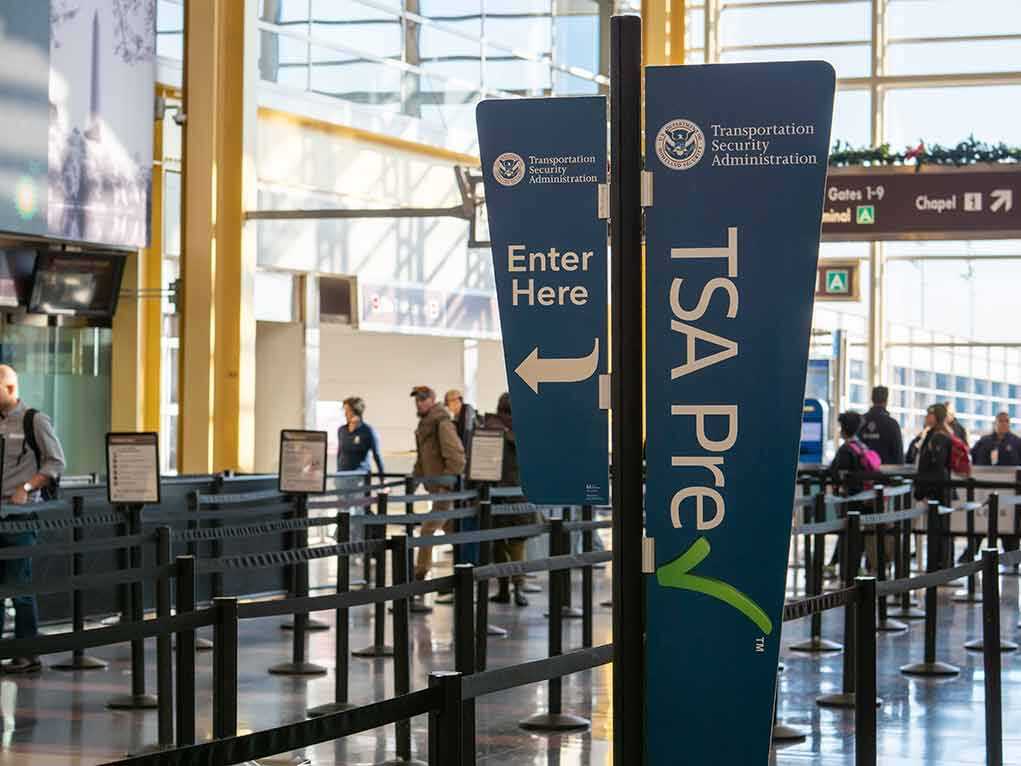
Transportation Security Administration officers at Dallas Love Field reported finding a pocketknife tucked inside a toothpaste tube during routine screening. A screener running the X-ray saw a metal shape near the couple’s toiletry items and pulled the carry-on for a closer check, according to summaries of the agency’s account. Officers then uncapped the tube and found the blade inside. The case gained attention after the agency highlighted the catch on its social media feed.
Media reports name Transportation Security Administration Officer Jazmine Kramer as the screener who noticed the suspicious item and initiated the bag search. Coverage from several outlets matches the same core facts: toothpaste tube, hidden pocketknife, and a secondary screening that recovered the item. Those outlets attribute the sequence to the agency’s own write-up and post, which framed the incident as a reminder that sharp objects are not allowed in carry-on bags.
Travelers Say Their Son Suggested The Scheme
Reports describe the passengers as a married couple who told officers their son proposed hiding the knife inside the toothpaste to get past the checkpoint. The couple turned over the pocketknife at the station and were allowed to proceed with travel after surrendering it. Outlets that summarized the agency’s account agree on that outcome and note that the passengers did not face further disruption once the item was removed from the bag.
The Transportation Security Administration’s public education materials say sharp items like knives are banned from carry-on luggage. Toothpaste is a common travel item and counts as a liquid or gel under the three-one-one rule, which is why people often pack it in their kits. The mix of a forbidden blade and a normal toiletry creates a tempting hide for rule-breakers and a known screening target for officers who watch X-ray images for metal shapes near everyday containers.
Why This Matters For Security And Common Sense Travel
This case shows how concealment attempts lean on normal items to mask risk. The X-ray process exists to catch exactly that kind of trick. Officers are trained to look for odd densities and metal outlines in places where they do not belong. When an image raises concern, a hand check follows. That is what the agency describes here, ending with a voluntary surrender and no flight delay for other travelers who followed the rules.
So this “married couple” tried to sneak a pocketknife through @TSA hidden in a toothpaste tube – their son apparently suggested that as the best place to hide it.
It’s found. They admit it was intentional.
“They were then allowed to continue on to their flight, according to…
— Rick (@RicksterABCD) September 24, 2026
For conservative readers, the lesson is simple and practical. Security works best when rules are clear, screening is focused, and people take personal responsibility. Do not pack sharp items in carry-ons. If you need a tool or pocketknife, place it in checked baggage. That keeps checkpoints moving, cuts down on avoidable alarms, and respects the safety of crews and families on board. It also frees officers to focus on real threats instead of preventable mistakes.
Sources:
foxnews.com, people.com, nj.com, airtraveler.club, viewfromthewing.com