
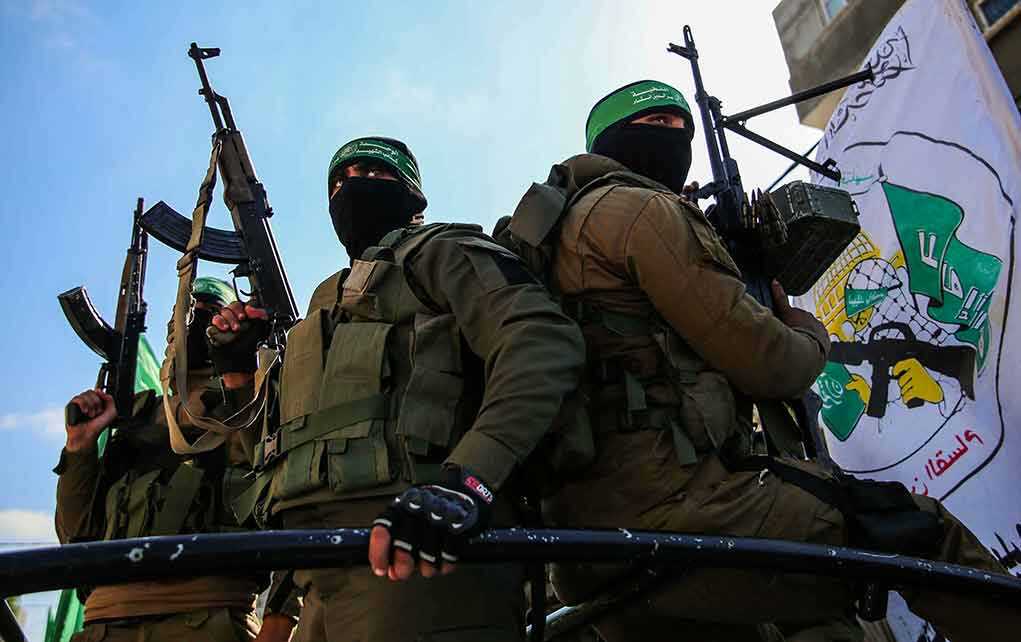
German prosecutors say seven Hamas operatives stockpiled guns for attacks on Jews in Europe, exposing a quiet terror network on the continent.
Story Highlights
- German federal prosecutors charged seven suspected Hamas members with preparing attacks and procuring weapons.
- Indictment alleges targets included Israeli, Jewish, and pro‑Israel people in Germany or Austria.
- Prosecutors say the men acted on orders from senior Hamas figures and secured firearms and ammunition.
- Hamas issued denials, but European cases show a wider shift toward external operations planning.
German Charges Detail Alleged Plot and Weapons Procurement
German federal prosecutors in Karlsruhe charged seven men with membership in a foreign terrorist group and preparing an attack, including by procuring weapons. Prosecutors allege the suspects worked to position firearms for strikes on Israeli, Jewish, or pro‑Israel targets in Germany or Austria. Officials say the case stems from a sustained effort to line up arms and logistics in advance of a set time window. Authorities have emphasized the charges reflect alleged planning that moved beyond talk into action.
Reporting describes a cache that included a fully automatic rifle, multiple pistols, and hundreds of rounds of ammunition. Prosecutors say the men obtained these weapons to support attacks timed around an October period tied to past Hamas massacres. The case file asserts direction from higher‑level handlers and a division of labor among the suspects. These details indicate an organized cell rather than a lone actor scenario. Police disrupted the effort before any attack occurred, according to the indictment summaries.
Targets and Timing Tie to a Broader European Pattern
Coverage of the indictment says the intended targets ranged from Israeli diplomats to Jewish community sites and pro‑Israel gatherings. The timeline aligns with past warnings that external operations could follow anniversaries of atrocities. Analysts and prior casework show a post‑2023 shift in Europe from Hamas support work to operational planning. Research from respected counterterror publications documents weapons stashed in several European countries, suggesting long‑term contingency planning by the group for attacks beyond the Middle East.
This German case mirrors that shift. Prosecutors and intelligence services have warned that small arms stockpiles and sleeper logistics can enable rapid action. That risk grows when mobs target Jewish sites and police face distraction. European authorities, learning from prior failures, have moved earlier against logistics networks. The result here is a charge sheet centered on guns and timing, not just messaging or fundraising. That focus shows law enforcement treating this as a live threat, not a distant one.
Competing Claims and What Holds Up
Hamas issued public denials and called allegations baseless. Those denials are not unusual in terror cases, but they do not negate the filed charges. In this instance, German prosecutors detailed weapons, timing, and chain of command in a formal indictment. That makes the state’s case the best documented version now available. Courts will weigh the evidence, but the facts that triggered charges are specific and actionable, including the procurement of firearms and ammunition for attacks in Europe.
One outlet noted that a related strand shifted to a state prosecutor over questions of direct affiliation, which can happen as investigators sort roles within a network. That does not erase the larger case. The central indictment still claims an organized plot directed by senior figures. European counterterror reporting has also traced a pattern of Hamas external planning and arms caches since before 2023. Taken together, the German charges and the open‑source analysis point to a real and present threat to Jewish life in Europe.
Why This Matters for U.S. Readers and Allies
America relies on European partners to stop terror before it crosses borders. A gun network in Berlin or Vienna can inspire copycats and online backers here. Federal partners in the United States share intelligence with Europe to track weapons, money, and travel. President Trump’s administration has pressed allies to tighten borders, deport extremists, and crack down on terror finance. This case shows why that pressure matters: quick action and hard lines save lives and protect our friends abroad.
Jewish communities in Europe remain targets when leaders go soft on terror groups or look away from hate. Prosecutors say this cell picked dates and places meant to shock and divide. That is how extremists work: sow fear, kill innocent people, and blame the victims. Strong policing, firm borders, and clear moral lines deter that playbook. The German charges, the weapons seized, and the alleged orders from handlers all point to one lesson: vigilance backed by force is not optional.
Sources:
redstate.com, dw.com, algemeiner.com, globalbankingandfinance.com, jpost.com