France’s president ordered an immediate plan to shield critical infrastructure from drone and cyber attacks tied to a rising Russian hybrid threat.
Story Highlights
- Macron directed his government to prepare protections for critical infrastructure and sensitive defense sites.
- The order followed high-level meetings and briefings for regional prefects on drone and hybrid threats.
- France framed the move around an intensified Russian hybrid campaign across Europe.
- Reports align with a wider European shift to counter combined cyber and drone risks.
Macron Orders Rapid Protection Plan for Key Sites
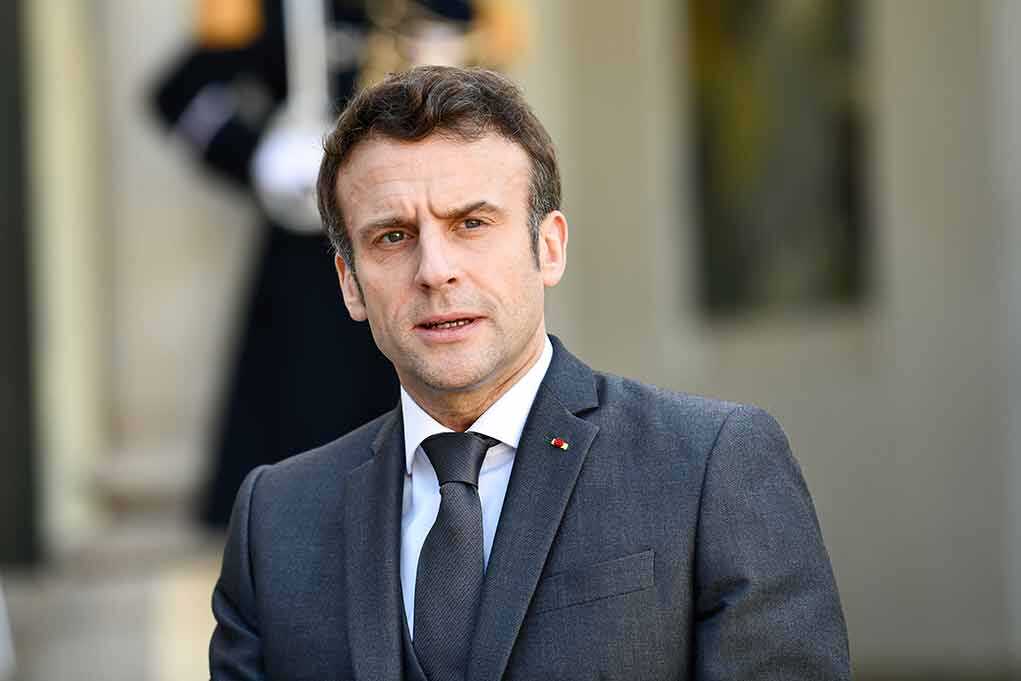
President Emmanuel Macron said his government must draw up a plan to protect critical infrastructure at once. He included the most sensitive parts of France’s defense industrial and technology base. He named drones and cyber attacks as the main risks. He tied the push to a recent rise in Russian hybrid activity targeting Europe. Major outlets reported the directive on the same day, citing his press remarks and follow-on tasking to ministries and local leaders.
Reports said the order came right after a meeting with political party leaders and presidential hopefuls. That timing signaled urgency, not a distant policy idea. Outlets also noted instructions to regional prefects. Prefects were told to map local risks and plan to protect sites in their areas. The effort covers infrastructure and defense-linked facilities. It aims to harden targets against small drones, network intrusions, and other hybrid tactics that fall short of open war.
France Links Move to Intensifying Russian Hybrid Activity
Macron said Russia’s hybrid threat has intensified in recent weeks. He cited pressure across Europe that blends cyber operations, sabotage, and drone probes. Reuters and France 24 both carried those points. Their reports said France wants extra vigilance and faster response options. The move aligns with warnings after recent drone incidents that disrupted aviation and tested defenses. French security leaders had already cautioned about more direct threats to strategic companies and infrastructure.
European reporting shows a pattern in how governments now treat drones and cyber as a single problem set. Analysts and officials describe hybrid actors mixing digital and physical tools to raise costs and sow disruption. That framing guides how leaders set priorities and budgets. It also shapes tasks for police, military units, and regulators. The focus is on resilience, early detection, rapid counter-drone action, and network defense for energy, transport, telecom, and defense plants.
Scope, Sectors, and What Comes Next
Coverage of the plan’s scope varies by outlet. Some highlight all critical infrastructure. Others stress defense-industry sites most of all. The common thread is protection against drones and cyber attacks at high-value targets. The government signaled that prefects will localize details and risk lists. Ministries are expected to align on roles and timelines. Public documents on budgets, sectors, or timelines were not yet available in the reports reviewed.
For American readers, this echoes long-standing security lessons. Border walls and strong locks are not enough if networks stay open to attack. The same goes for power grids, pipelines, rail hubs, and factories. When a country hardens these nodes, it helps families and jobs. It also deters bad actors who test resolve with cheap drones and keyboard strikes. France’s move shows allies treating hybrid attacks as real, not theory, and acting before shocks grow worse.
Why It Matters for the United States and Allies
United States planners have warned for years about mixed-method strikes on energy, aviation, and defense suppliers. Europe has seen airports halted by drone sightings and systems glitches. Law enforcement and military units now train together to spot, jam, or down small drones. They also practice faster patching and recovery after cyber intrusions. France’s step fits that shift, pushing whole-of-government defenses that our own agencies encourage and practice with partners.
Strong infrastructure keeps prices stable and services running. Weak spots invite blackouts, flight delays, and factory shutdowns. Those ripple into household bills and small business costs. When leaders focus on hardening targets, they protect families, jobs, and national strength. Vigilance does not mean panic. It means planning, drills, layered defenses, and clear lines of command. France’s directive is one more signal that allies aim to stay ahead of threat curves, not trail behind them.
Sources:
meduza.io, en.ara.cat, turkiyetoday.com