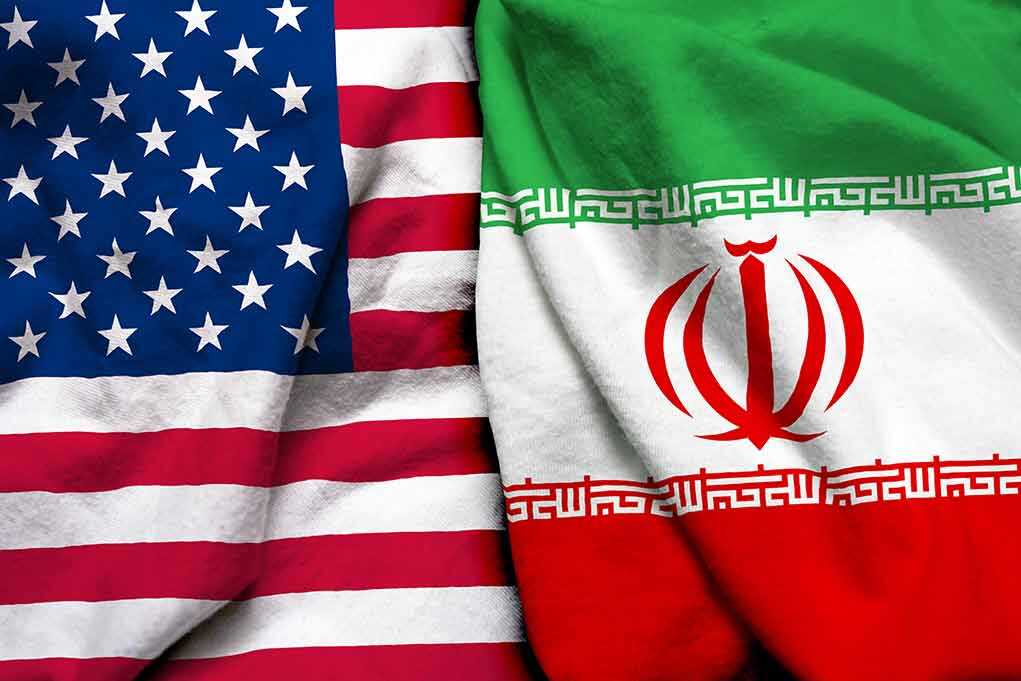
Washington approved visas for Iran’s president and foreign minister to attend the United Nations meetings in New York, citing host-country duties even as the two nations remain at war.
Story Snapshot
- The State Department said visas were granted under U.S. host-country obligations to the United Nations.
- The approved “core delegation” includes Iran’s President Masoud Pezeshkian and Foreign Minister Abbas Araghchi.
- Travel limits and purchase restrictions will apply to the visiting Iranian officials.
- Officials framed the move as standard practice, not a political favor, during an active conflict.
State Department Cites Host Obligations To Admit Core Iranian Delegation
The State Department said the United States would allow Iran’s top leaders to attend next week’s high-level United Nations meetings in New York. Officials tied the decision to America’s obligations as the United Nations host country. The department said a “core delegation from the Iranian regime” may attend, consistent with those duties. That core includes Iran’s president, Masoud Pezeshkian, and foreign minister, Abbas Araghchi, along with essential staff. Reporters noted this reflects standard host practice, not a new policy.
Reuters and the British Broadcasting Corporation reported the visitors will face limits once inside the United States. Those reports said the delegation will be under travel restrictions in the New York area. They also said the delegation is barred from buying luxury and other listed goods under standing rules. Those curbs track past handling of hostile delegations during United Nations week. They aim to reduce security risks while meeting treaty duties to the world body.
Attendance Granted During Ongoing U.S.–Iran War And Stalled Talks
News outlets said Washington and Tehran remain at war, while intermittent talks continue without a breakthrough. The visa decision landed in that tense context, preserving a channel for speeches and diplomacy on neutral ground. The Associated Press framed the move as access for a smaller, “core” team rather than an open-ended entourage. That approach fits prior United Nations weeks when adversaries were admitted but confined. It balances security with the United States’ legal role as host.
The size and limits of the delegation signal a narrow lane for Iran’s presence. The New York Times and others described a smaller team this year, aligned with the “core delegation” label. That suggests a focus on essential officials, not a broad slate of aides or media. The State Department’s phrasing underscored this point, and outlets repeated it as the key standard. The setup lets the United States maintain pressure while still meeting its treaty duties to the United Nations system.
What The Decision Means For Policy, Security, And Conservative Priorities
The approval highlights a long pattern: as host, America allows United Nations attendance by rivals, while enforcing tight controls. The United States keeps the legal high ground and denies Iran a propaganda win by limiting movement and perks. Security agencies can watch arrivals, routes, and meetings closely under those restrictions. This is not a concession on sanctions, defense posture, or pressure. It is a procedural duty that pairs access with oversight and clear bounds on conduct.
Conservatives may ask how this helps American interests while war continues. The record shows the move is about treaty compliance, not favors. Allowing a small, restricted team prevents a larger diplomatic clash inside the United Nations, where the host role is defined in law. Officials still retain tools to punish terrorism or espionage. They can deny or revoke visas for specific security, terrorism, or foreign policy reasons if needed, as prior cycles have shown. Duty and vigilance can work together here.
How This Fits Prior United Nations Host-Country Practice
Past gatherings followed a similar pattern with adversarial regimes. The United States has often let delegations enter New York for the United Nations General Assembly, while boxing in movement and transactions. Press accounts linked this to the 1947 headquarters agreement, which sets broad access rules for member states attending official events. The same reporting noted examples when Washington pressed limits or blocked certain individuals, showing discretion remains in specific risk cases.
What Comes Next At The United Nations General Assembly
Iran’s leaders are expected to deliver addresses and hold meetings alongside other heads of state. United States officials will make America’s case on defense, sanctions enforcement, and stability. Any talks will unfold under public scrutiny and within New York’s strict security plan. The approval does not end the conflict or soften United States positions. It keeps the door open for messages and pressure in the chamber where member states listen, rebut, and set the year’s agenda.
Sources:
iranintl.com, washingtonpost.com, reuters.com, apnews.com, bbc.co.uk, timesofindia.indiatimes.com