A suspected hantavirus case on the world’s most remote inhabited island has prompted an extraordinary military medical response, raising questions about government preparedness for health crises in British territories thousands of miles from adequate care.
Story Snapshot
- UK army medics parachuted onto Tristan da Cunha, 1,500 miles from nearest land, to treat suspected hantavirus patient
- British national remains isolated on island with population of 221 after exposure linked to luxury cruise ship outbreak
- Two other British citizens confirmed positive for potentially deadly rodent-borne virus, hospitalized in Netherlands and South Africa
- Remote island’s minimal health infrastructure—one clinic with nurse practitioner—highlights vulnerability of isolated British territories
Military Response to Remote Health Emergency
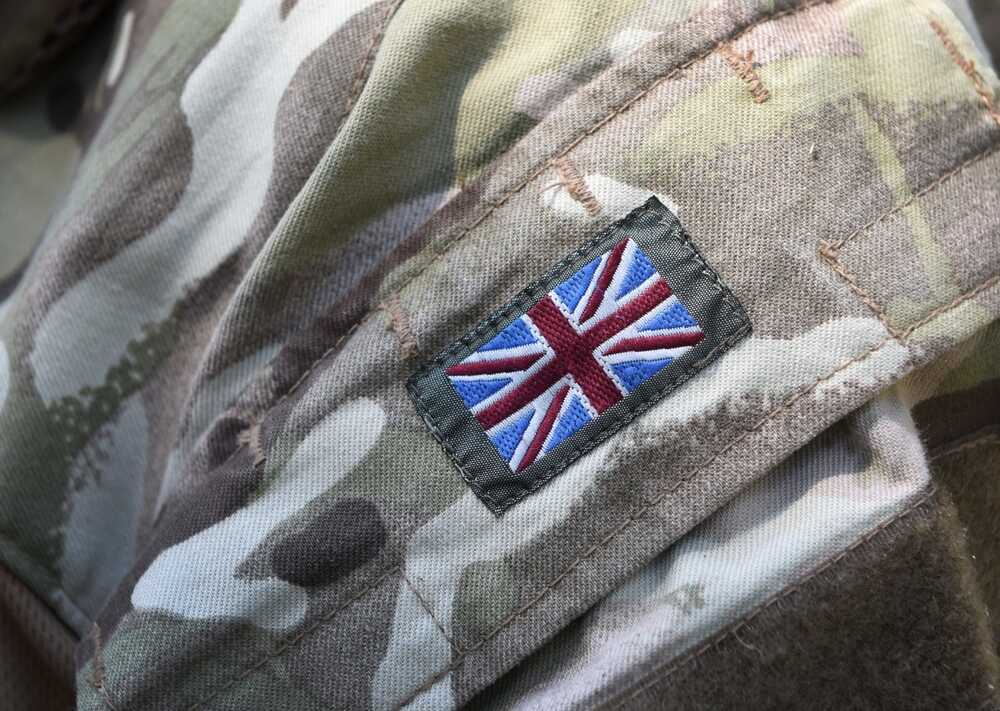
UK army medics executed a parachute deployment onto Tristan da Cunha, delivering urgent medical support for a British national with suspected hantavirus. The operation underscores the extreme logistical challenges facing the British Overseas Territory, which has no airstrip and normally relies on quarterly supply ships or rare cruise vessel visits. The dramatic military intervention reflects the severity of hantavirus pulmonary syndrome, which carries fatality rates as high as 38 percent in the Americas, though European strains typically prove less lethal at 1-2 percent mortality.
Cruise Ship Outbreak Spreads to Island Territory
The suspected case originated from contact with passengers aboard the MV Hondius, a luxury Antarctic cruise ship experiencing a hantavirus outbreak. The UK Health Security Agency confirmed on May 9, 2026 that the infected British national remains on Tristan da Cunha while two other UK citizens were hospitalized overseas after testing positive. The virus spreads through contact with rodent urine and droppings, suggesting the cruise ship harbored infested rodents. Additional British passengers on the vessel remain under monitoring though currently asymptomatic, extending UKHSA’s surveillance across multiple countries.
Island Infrastructure Exposes Systemic Vulnerabilities
Tristan da Cunha’s isolation—2,437 kilometers from Cape Town—reveals troubling gaps in Britain’s ability to protect citizens in far-flung territories. The island’s single clinic lacks capacity for serious medical emergencies, typically requiring multi-day ship evacuations to South Africa for advanced care. This crisis echoes broader concerns about whether government officials prioritize the wellbeing of remote populations or view them as acceptable risks. The 221 residents depend entirely on UK oversight for emergency response, yet the parachute deployment suggests no contingency plans existed until crisis struck. Previous isolation incidents during COVID-19 and the 2001 foot-and-mouth quarantine demonstrate recurring patterns of reactive rather than proactive governance.
Economic and Tourism Implications for Remote Community
The outbreak threatens Tristan da Cunha’s fragile economy, which generates roughly £500,000 annually through fishing exports, stamp sales, and cruise tourism. Industry experts warn the incident could trigger stricter biosecurity protocols for Antarctic and Arctic cruise routes, potentially reducing vessel visits that provide essential income and supplies. Local concerns about cruise bans reflect the community’s precarious dependence on external connections. Long-term impacts may include heightened rodent control measures on both the island and visiting ships, adding operational costs that could further deter tourism. The incident reinforces how isolated communities bear disproportionate consequences when central authorities fail to implement preventive measures before emergencies emerge.
🦠 [UK] UK army medics parachute onto remote territory of Tristan da Cunha amid suspected hantavirus case — bing-hantahttps://t.co/1etPUlafta
— Track Hanta (@TrackHanta) May 10, 2026
Public Health Monitoring Continues Across Multiple Nations
UKHSA continues monitoring British nationals exposed aboard the MV Hondius while the suspected Tristan da Cunha patient remains in isolation. Health officials emphasize hantavirus rarely transmits between humans, reducing broader outbreak risks, though the rodent-borne nature demands aggressive pest control interventions. Dr. Meera Chand, UKHSA’s hantavirus specialist, stresses early detection protocols while maintaining no cause for panic. The agency’s multi-country coordination with Dutch, South African, and Tristan authorities demonstrates complex jurisdictional challenges when British citizens face health threats across dispersed locations. Cruise industry observers note the outbreak should accelerate overdue rodent-proofing standards for expedition vessels serving remote destinations.
Sources:
Devdiscourse: UKHSA Hantavirus Update
Independent: Suspected Case on Tristan da Cunha